
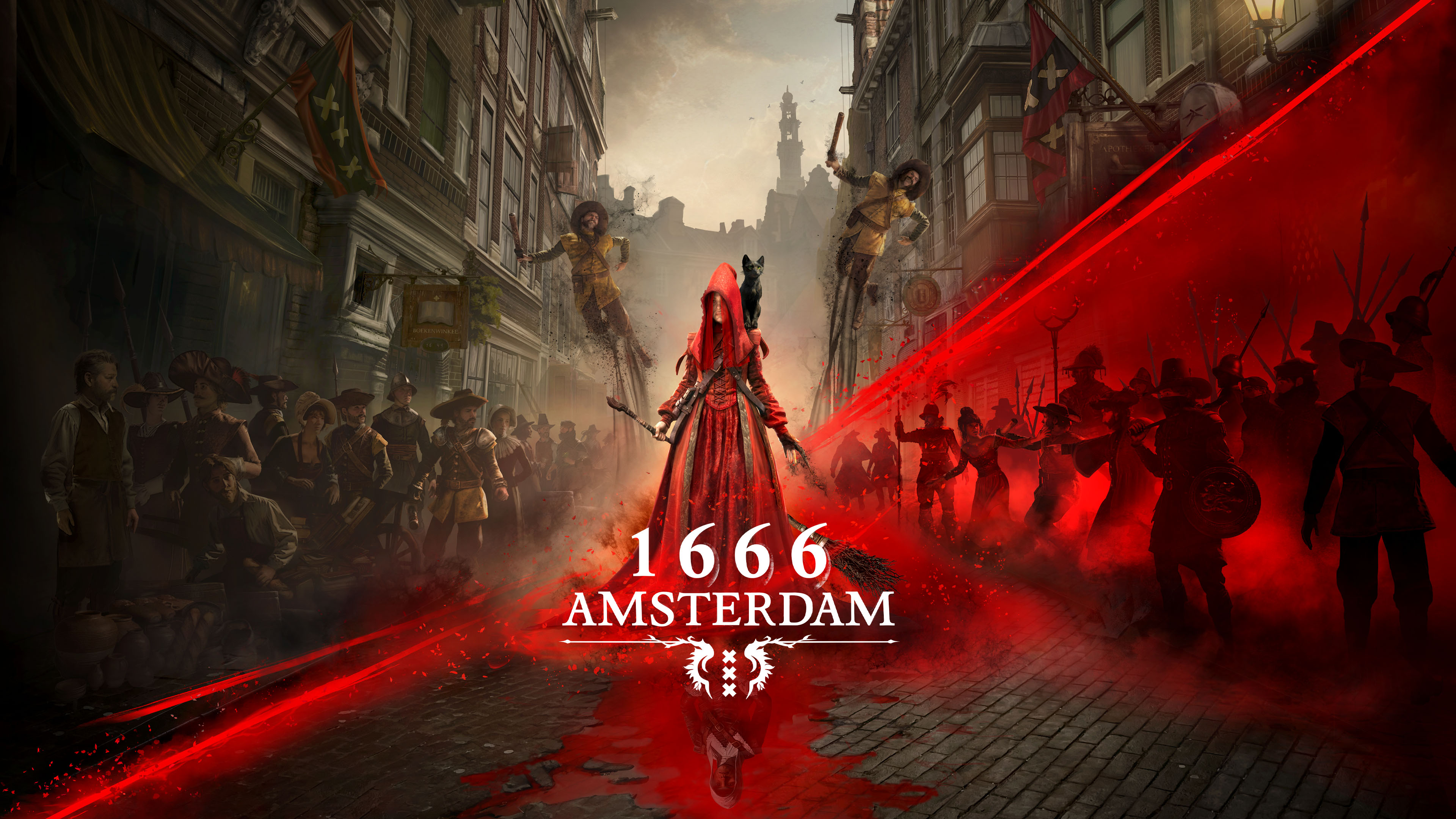
1666 Amsterdam is a project that comes after a rather particular story and that brings with it an important name such as that of Patrice Désilets, best known for having given life to Assassin's Creed. This time, however, the idea is very different. We are in seventeenth-century Amsterdam and we play the role of Noa, a young witch belonging to the Collectors. Our task is to identify the Originals, supernatural beings who hide among the population. The premise is certainly interesting because it brings together investigation, exploration, sorcery and combat, trying to create an experience that is not just a historical adventure with some fantastic elements. The problem is that some of these ideas already work very well, while others still seem very far from the form they should have.
This content is provided by YouTube. To view it, you must allow external content. Activation may result in data being shared with the third party.
Amsterdam conquers from the first moment
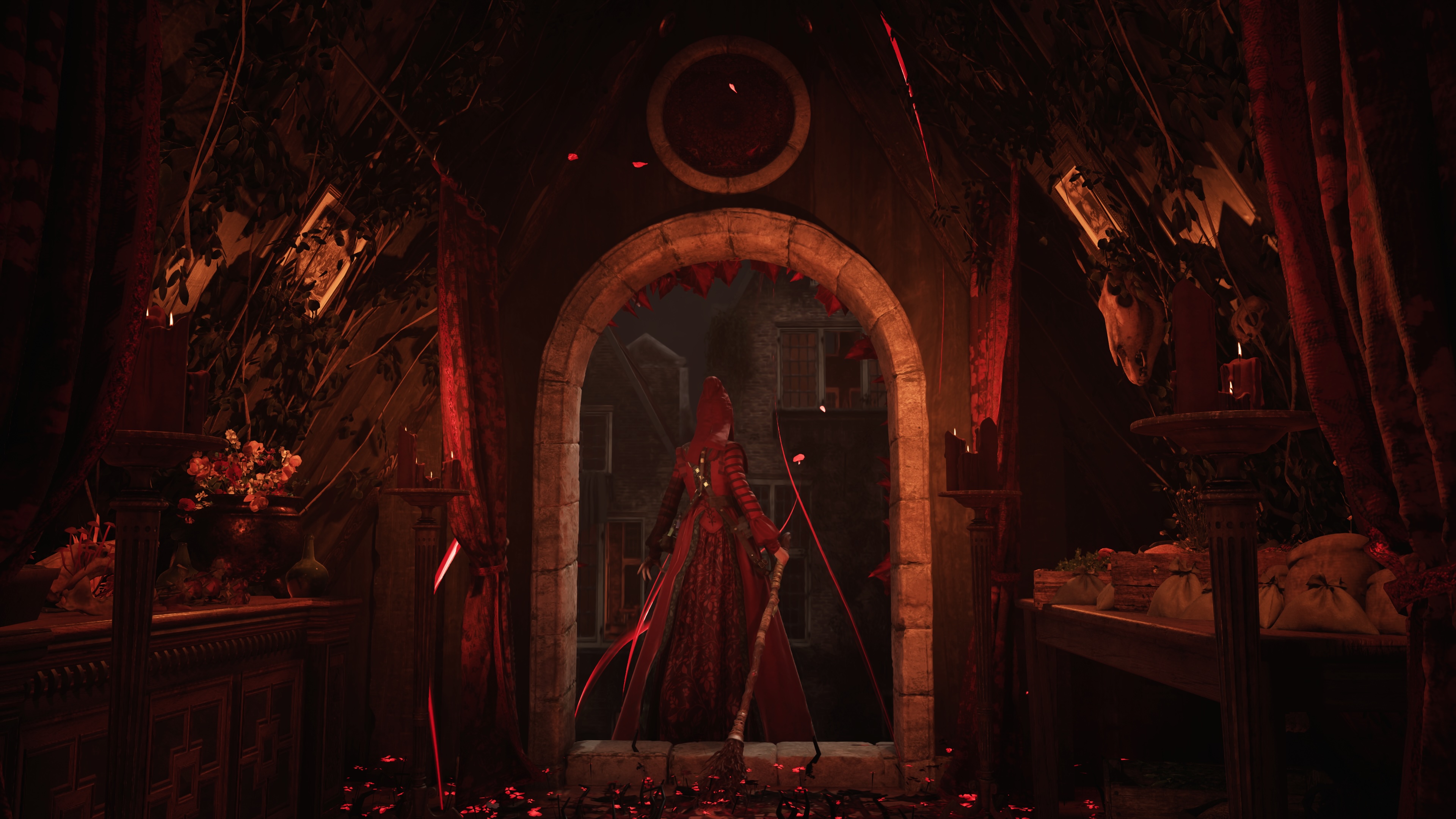
If there is one element that immediately manages to convince, it is certainly the game world. Amsterdam has been rebuilt with considerable care and between canals, narrow streets, houses and interiors you can perceive a real attention to the historical period. The city does not seem just a background, but becomes an important part of the experience.
The art direction also does a great job. The game manages to move from fairly realistic historical settings to much darker and supernatural situations without losing its identity. It is inevitable to make some comparisons with Assassin's Creed, especially for the historical period and the way the city is built, but 1666 Amsterdam seems to want to take its own path. And it is probably this personality that is one of its most interesting aspects. Exploring Amsterdam is pleasant and at times it is natural to move away from the main objective to see what a side street or a seemingly unimportant building hides.
Investigation and magic are the best ideas
The game is at its best when it asks us to investigate before we fight. Originals are not simply enemies marked on the map. Our job is to search for information, observe what is happening around us, and try to figure out who is hiding behind the supernatural threat. This structure makes exploration more interesting because we are not always pushed towards the classic point indicated on the map. There is a small sense of discovery that works well and that could become even more important in the full game.
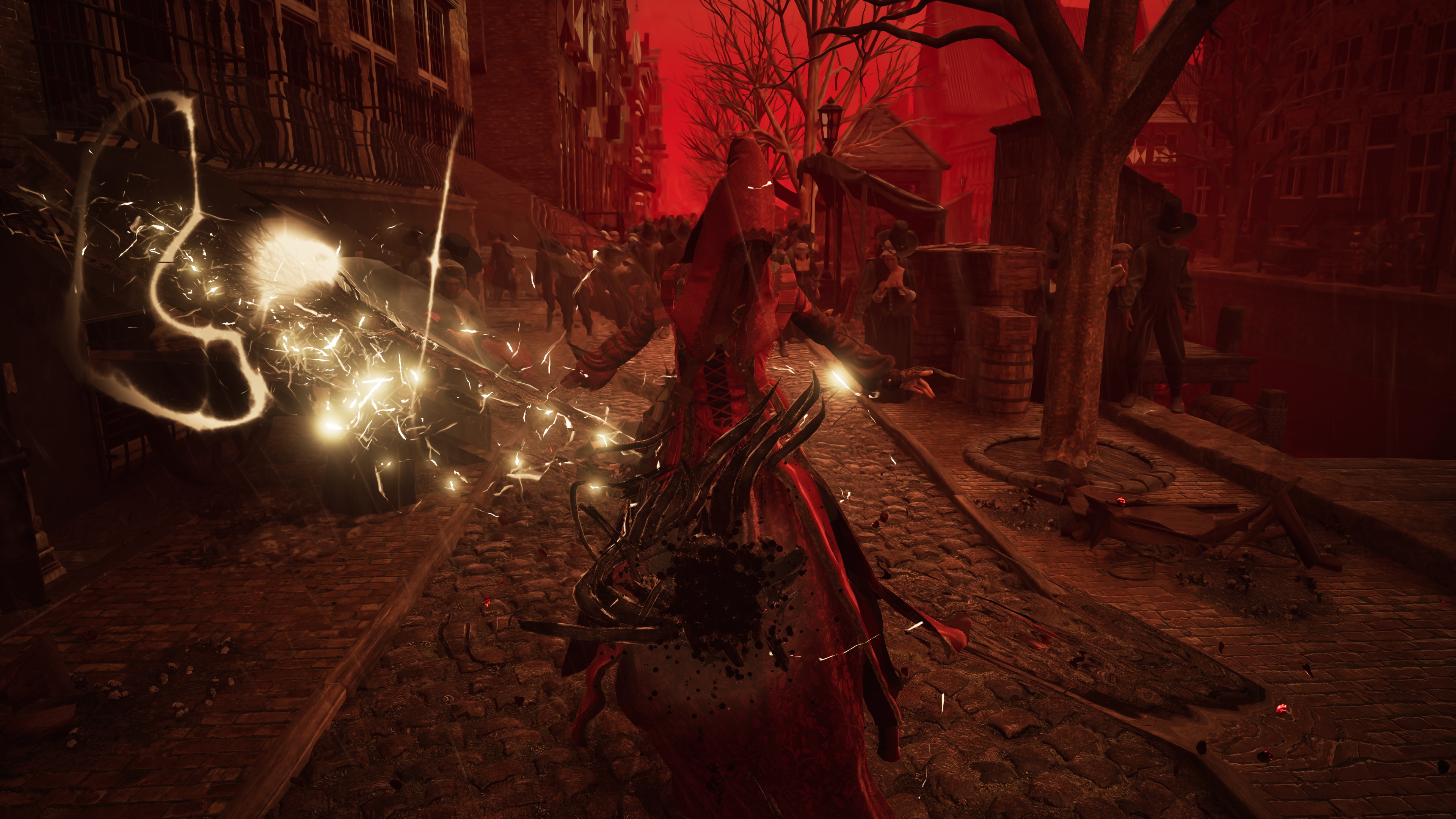
Sorcery is also a good surprise. Noa can use different skills that are not only useful during fights, but can also be used to move around the environment and reach places that would otherwise be difficult to find. Some mechanics related to skills are also reminiscent of the roguelite genre, with characteristics that can change the way we deal with certain situations. Not everything is exploited to the fullest yet, but the base is interesting and above all leaves room for several possibilities.
Where the problems start
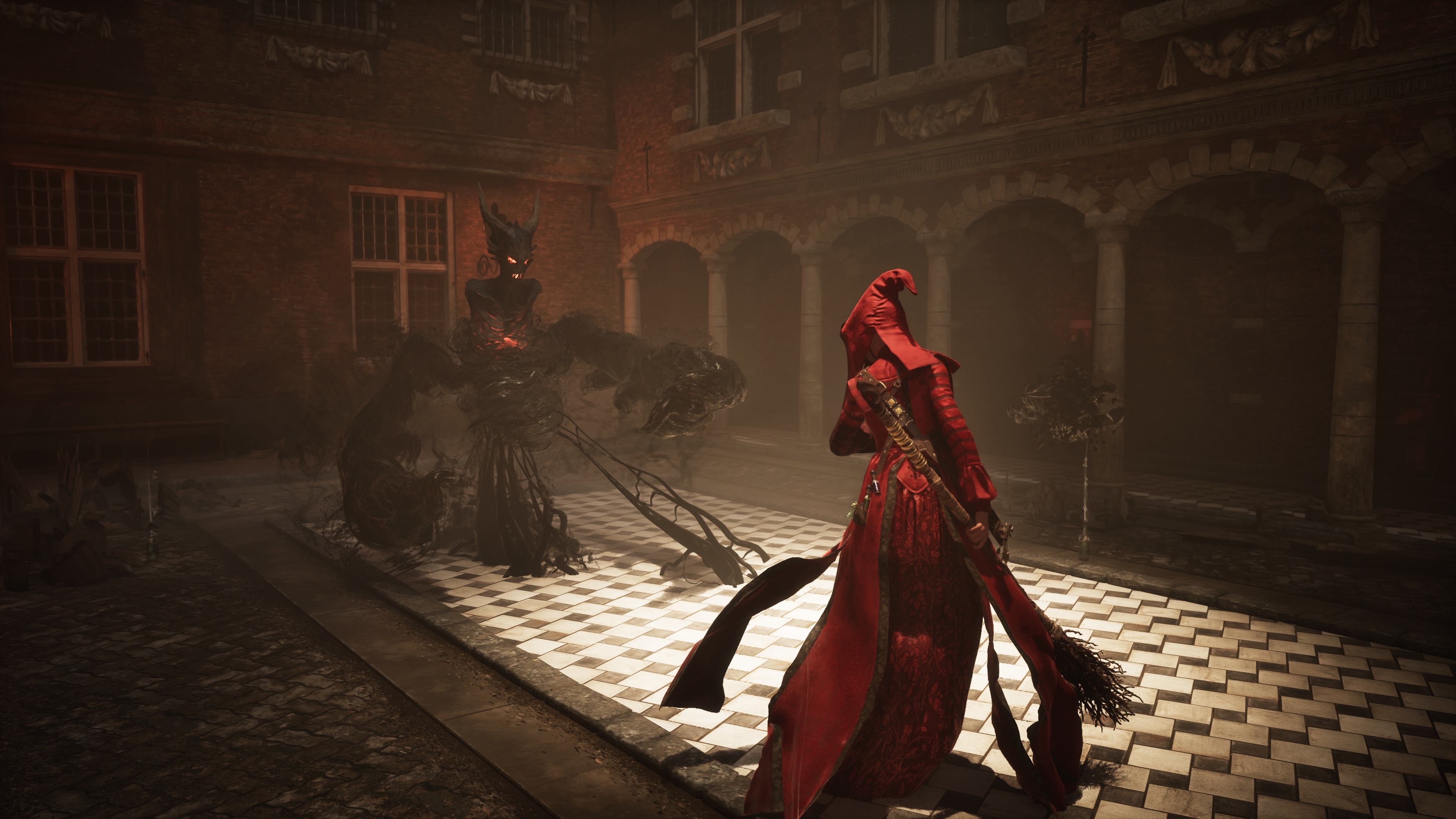
The main weakness of 1666 Amsterdam, however, is the combat. The clashes at the moment fail to convey enough weight and often turn into a fairly simple sequence of attacks and dodges. After overcoming the initial surprise, the system risks becoming repetitive. The problem is felt especially with the bosses, who could have exploited their supernatural nature much more. Considering how particular the premise is, it would have been interesting to see enemies capable of requiring different strategies and making more use of Noa's abilities.
Stealth and artificial intelligence also need to take a step forward. Enemies don't always react convincingly, and some situations quickly lose the tension that a game based on investigation and the supernatural should be able to create. The same thing goes partly for the writing. The narrative idea is good, but some dialogues explain too directly what is going on. Instead of letting the player discover certain information, the game sometimes tends to tell them about it.
The potential is there, but it is not enough on its own
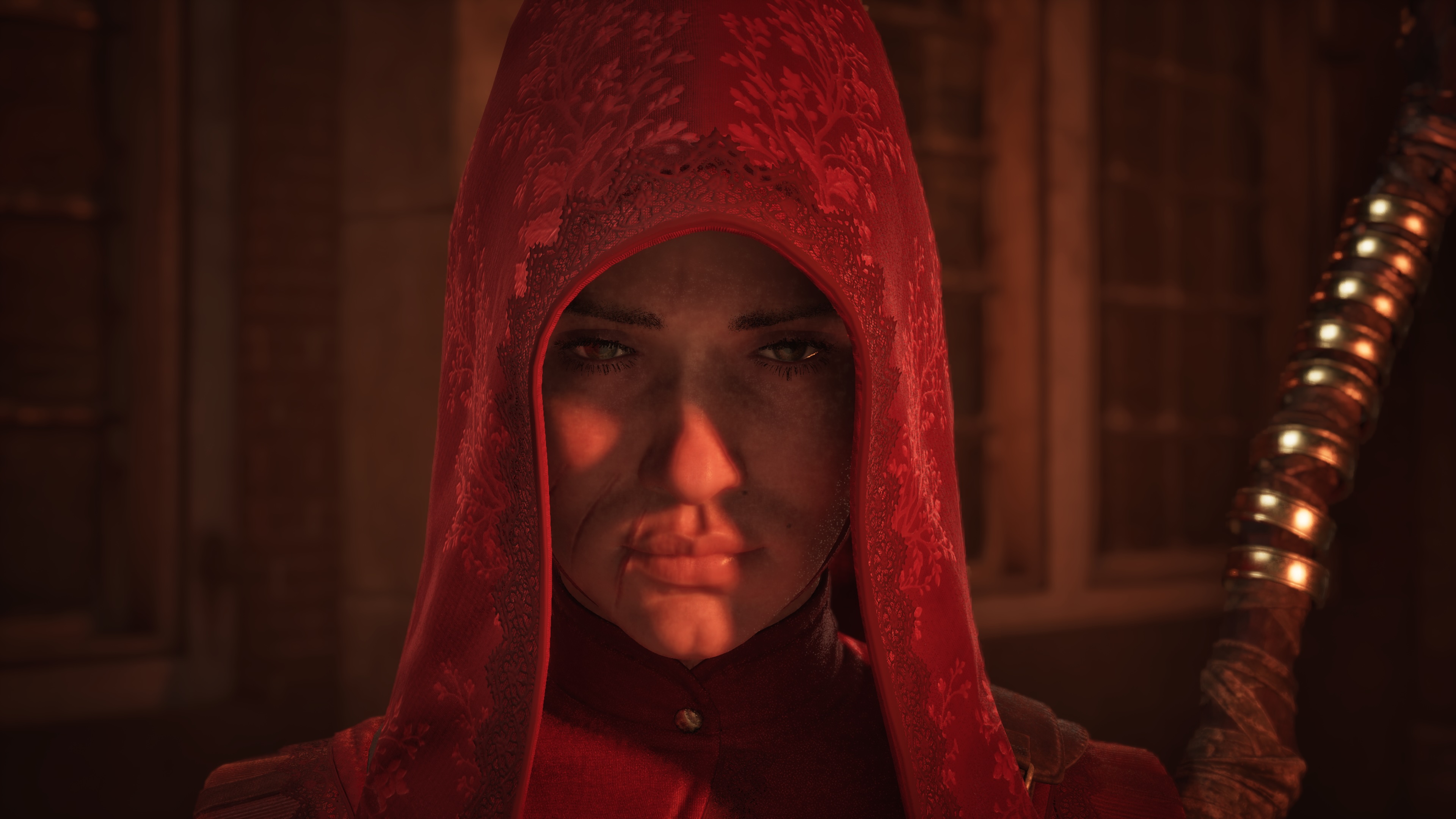
And that's exactly the point of 1666 Amsterdam. There are interesting ideas practically everywhere, but not all of them have yet reached the same level of quality. The reconstruction of Amsterdam works, the art direction is convincing, the investigation has a good basis and magic could become one of the most interesting elements of the whole experience. On the other hand, we have combat that is still unsatisfying, stealth that needs to be improved, immature artificial intelligence and writing that at times would need more naturalness. Even from a technical point of view, there are some problems and there is no shortage of situations in which it is clearly perceived that the project still needs to be polished. These are understandable aspects considering the current phase, but it remains to be seen how much they will be able to change during development.
The most important thing, however, is that 1666 Amsterdam has its own identity. Despite some inevitable comparisons with Assassin's Creed, it does not give the impression of simply wanting to re-propose a formula already seen. The idea of combining historical Amsterdam, witchcraft, investigation and supernatural creatures is particular and manages to intrigue. The problem is to be able to transform these good ideas into really solid and connected systems.
For now, therefore, the potential is evident. It only remains to be seen if it will be enough to transform 1666 Amsterdam into that particular experience that, at least on paper, it seems to want to become.
About the Author