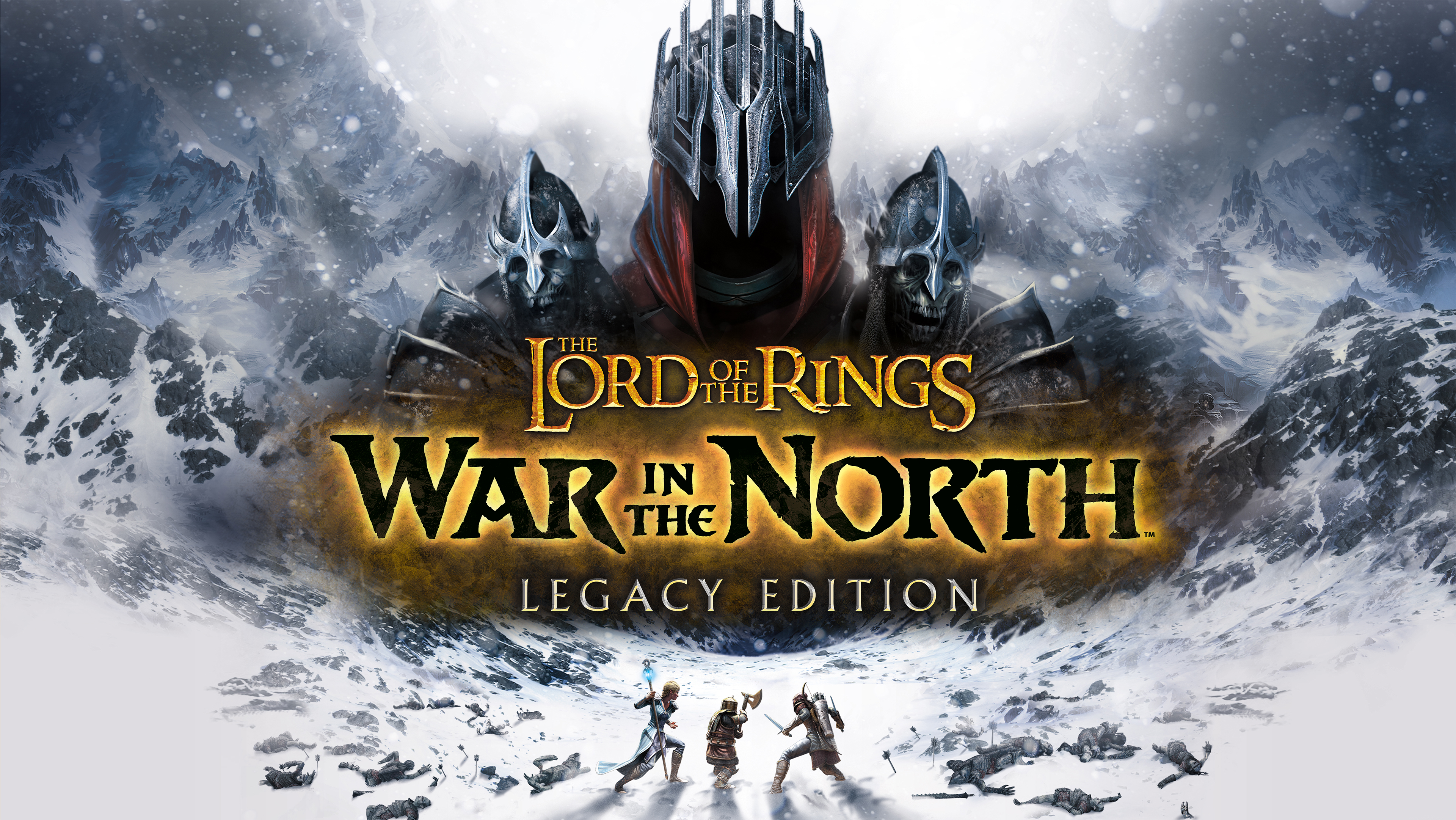
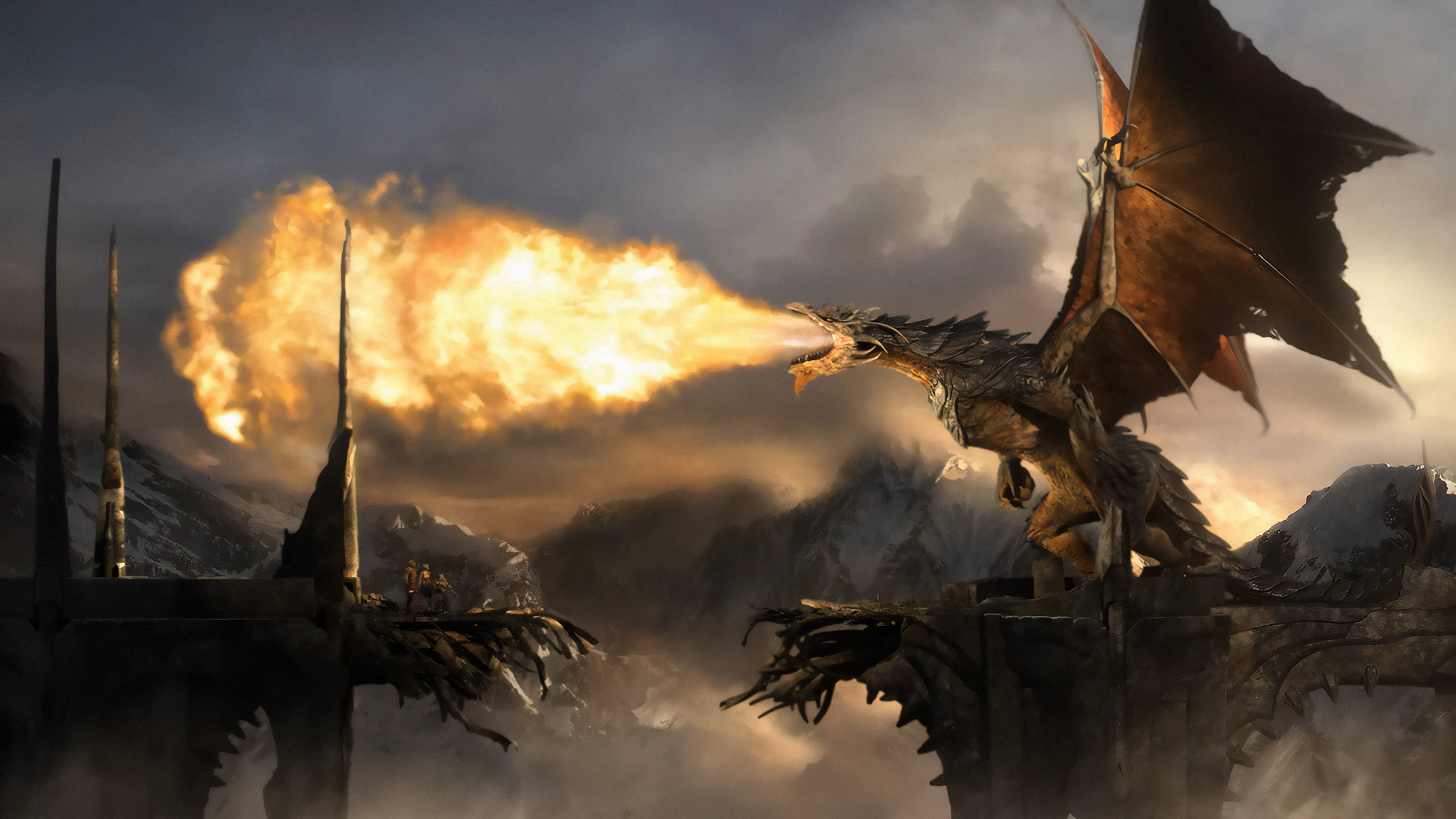
There are video games that are announced months, sometimes years, before they hit the market. And then there's The Lord of the Rings: War in the North – Legacy Edition. No big events. No mammoth hype. No long teasers accompanied by countdowns. One day, almost out of nowhere, War in the North returned.
And the most absurd thing is that we are not talking about just any game: we are talking about one of the most particular action RPGs set in Middle-earth ever made, a 2011 title that had been removed from digital stores and that, for years, seemed destined to remain a memory of the PlayStation 3 and Xbox 360 era. Today, in 2026, it is available again as a Legacy Edition, on PC and on modern consoles. But the question is inevitable: how much has really changed?
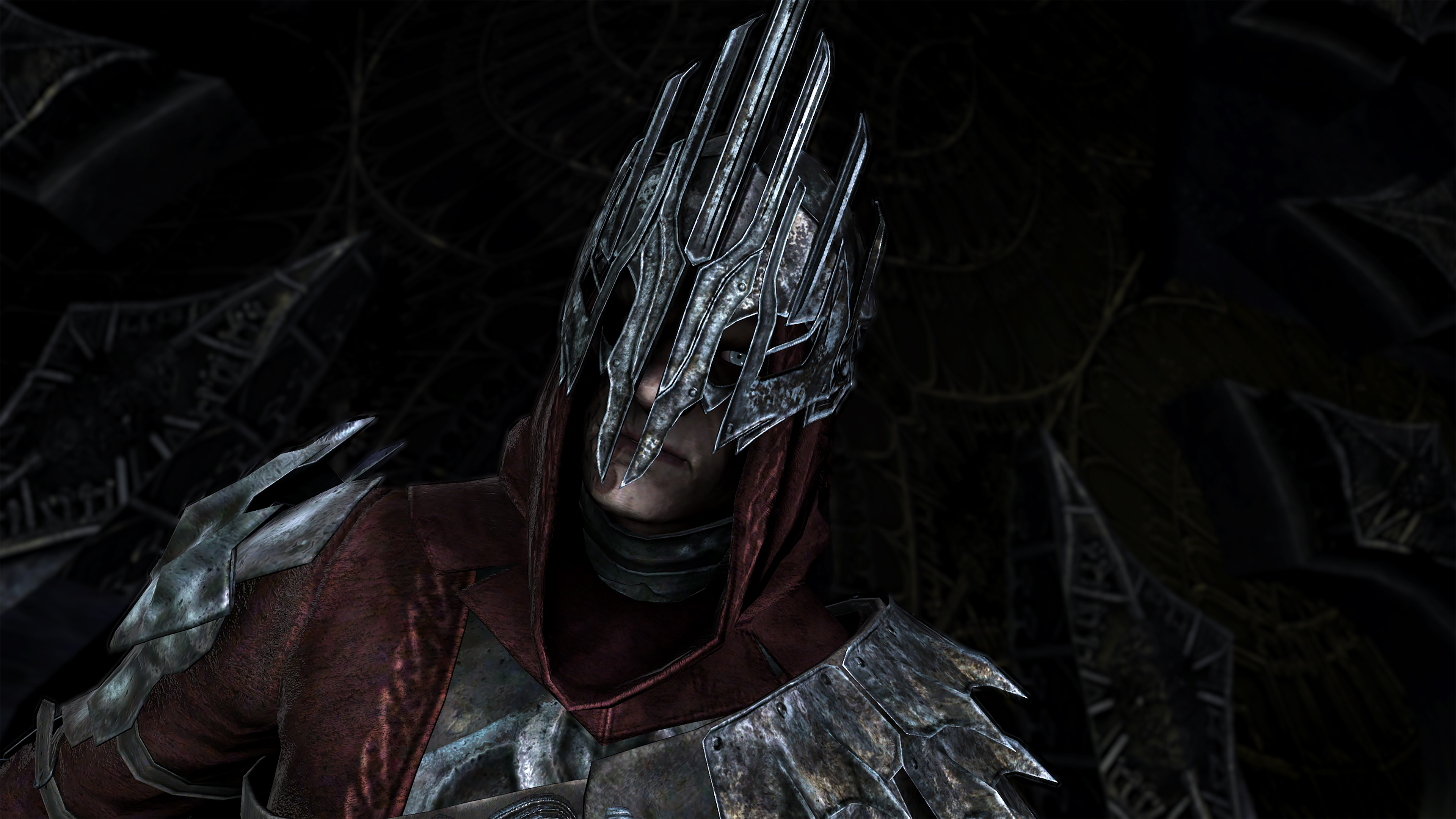
To understand why this Legacy Edition is interesting, you have to go back to 2011.
War in the North hit the market on November 1, 2011, developed by Snowblind Studios.
The idea was great: to tell a story parallel to the events of the main trilogy, without controlling Aragorn, Frodo or Gandalf.
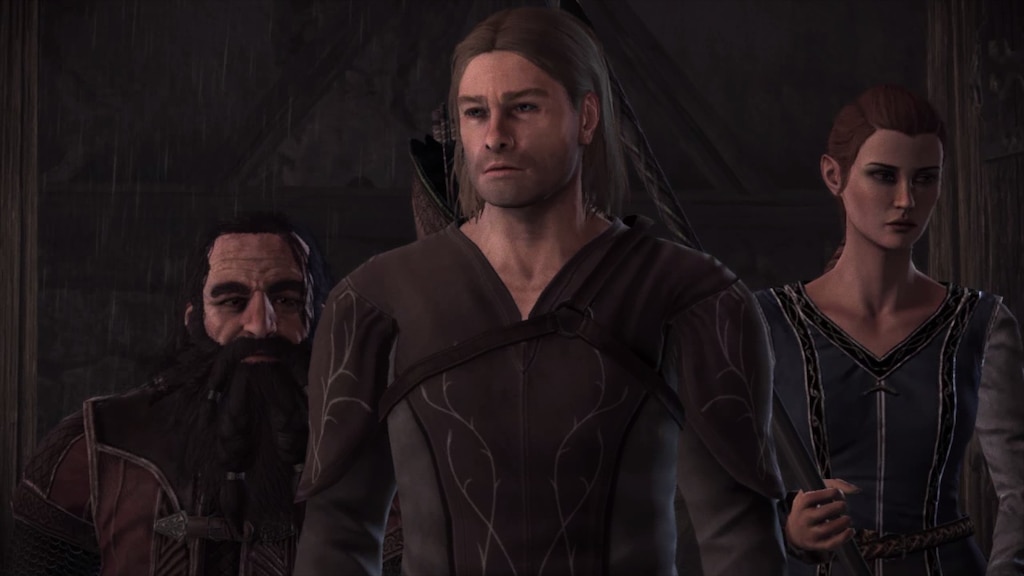
Instead, the player built his own small Fellowship of the Ring through three protagonists:
- Eradan, the human wanderer.
- Andriel, the elf.
- Farin, the dwarf.
Their war takes place in the North of Middle-earth while Frodo and the others are making the journey to Mordor.
And that's one of the things that made the game interesting.
It was not simply another transposition of the films.
It was an original story embedded in the events of the War of the Ring.
Legacy Edition: it's not a remake
Before talking about the news, one thing must be clarified, War in the North – Legacy Edition is not a remake, not even a total graphic remake. The original structure has remained, the story is the same, The three protagonists are the same, The world is the one created by Snowblind and The combat remains the hack-and-slash one we remembered. But Aspyr took the original game and tried to do something much more interesting: make it playable again in 2026. And here the differences begin.
1. We can finally change characters during the game
This is probably the most important change.
In the original version, once a mission began, the chosen character remained essentially the same.
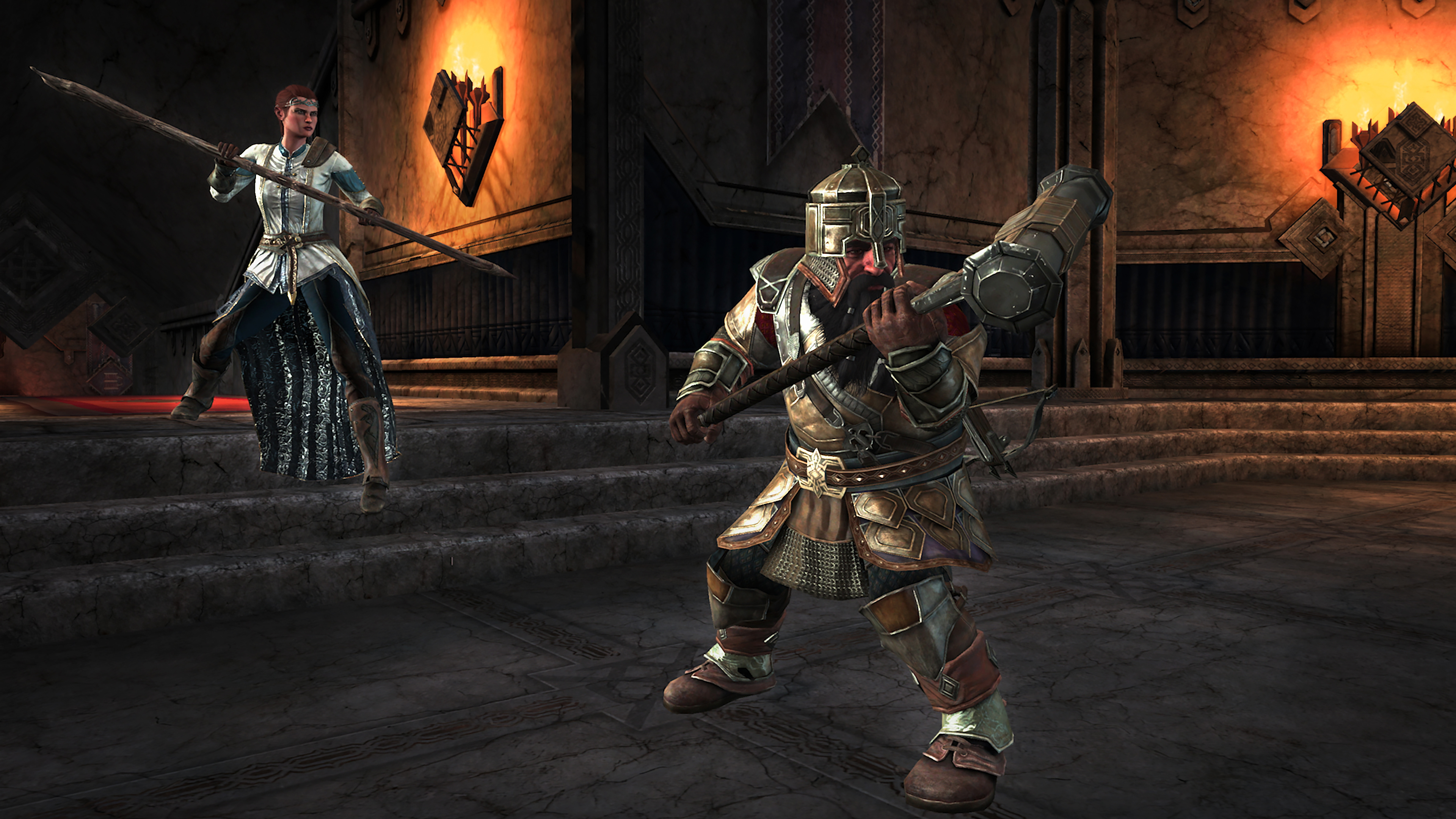
In the Legacy Edition it is possible to make the instant change between Eradan, Andriel and Farin during the game. And it is a much more important change than it may seem, because the three characters are not simply three different skins, they have different skills and roles, Eradan is the versatile fighter, Farin represents the brute strength of the dwarf, Andriel uses magic and support skills.
2. An improved targeting system
Another historical problem of the original was the precision of the combat. In 2011 the system could become difficult to read especially during the most crowded clashes. The Legacy Edition introduces an improved target locking, making it easier to keep the target and manage the fights, it does not become a Soulslike but still makes the combat experience more pleasant and fluid
4. Improved Autosave
In 2011, GameSpot criticized the save system, because autosaves were too infrequent and could generate frustrating loss of progress.
In 2026 an updated autosave system finally arrives, in short, one of the criticisms of the original review becomes one of the features of the new version.
5. 60 FPS and modern hardware
The Legacy Edition supports 60 FPS gameplay, as well as a number of improvements to compatibility and modern hardware support. There are also improvements for modern controllers. Gyroscopic controls even arrive on some platforms, the goal does not seem to be to turn War in the North into a modern game from a graphical point of view but is to make sure that a 2011 game does not look completely out of place on 2026 hardware.
6. Multiplayer has been brought back to life
the most important thing of all, Multiplayer. War in the North was born around the possibility of playing with a Company of three heroes. Today this component is once again accessible with:
- online multiplayer;
- local cooperative;
- up to three players online;
- local split-screen;
- Steam Remote Play Together;
- Modernized multiplayer infrastructure.
The original had a strong cooperative component, but bringing that mode back to 2026 means above all making it usable again with modern infrastructure.
But is it worth playing today?
The answer, in my opinion, is very different from what we would have given in 2011, at the time War in the North was a decent action RPG, with excellent ideas, but suffocated by technical problems, a certain repetitiveness and a terrible launch, even the release date was a disaster, contemporary with that of Skyrim.
In 2026 the context is completely different, You don't have to be a huge blockbuster or a AAA, you don't have to reinvent the genre. You simply have to be a good cooperative game set in Middle-earth, and from this point of view War in the North still has something that many modern games don't have: an original story set during the War of the Ring. We are not retracing the Fellowship of the Ring, we are experiencing what happened while Frodo and the others were on the other side of Middle-earth. And this for a great fan like me remains its greatest strength.
Personal impressions
The thing that struck me the most while playing The Lord of the Rings: War in the North was undoubtedly the nostalgia.
It's one of those games that maybe today, technically, shows all its years: the graphics no longer make you cry out for a miracle, some animations are a bit wooden and the gameplay can seem quite simple compared to modern action RPGs.
Yet, while I was playing, I continued to have that feeling that I now feel more and more rarely: that of having gone back in time.
The atmosphere of The Lord of the Rings is perhaps the thing I liked the most. It's not just the fact that you're in Middle-earth: it's that way of building the levels, the characters, the music and the fights that reminded me of the time when film-licensed games came out much more often than today.
And I have to be honest: I had more fun than I expected.
It's not a perfect game and I don't think I would recommend it to everyone simply because it bears the name of the Lord of the Rings. However, if you can get into its mentality and especially if you have a weakness for PS3 /Xbox 360 generation games, it can still give some good satisfaction.
Maybe that's the point: War in the North didn't win me over because it's a forgotten masterpiece. It won me over because, for a few hours, it made me remember why I loved these games so much as a kid. It's nostalgia. Nostalgia for a time when these games came out, you bought them, you put them on the console and simply... you started playing. And maybe that's why, despite all its flaws, War in the North still manages to convey something to me today.
About the Author