
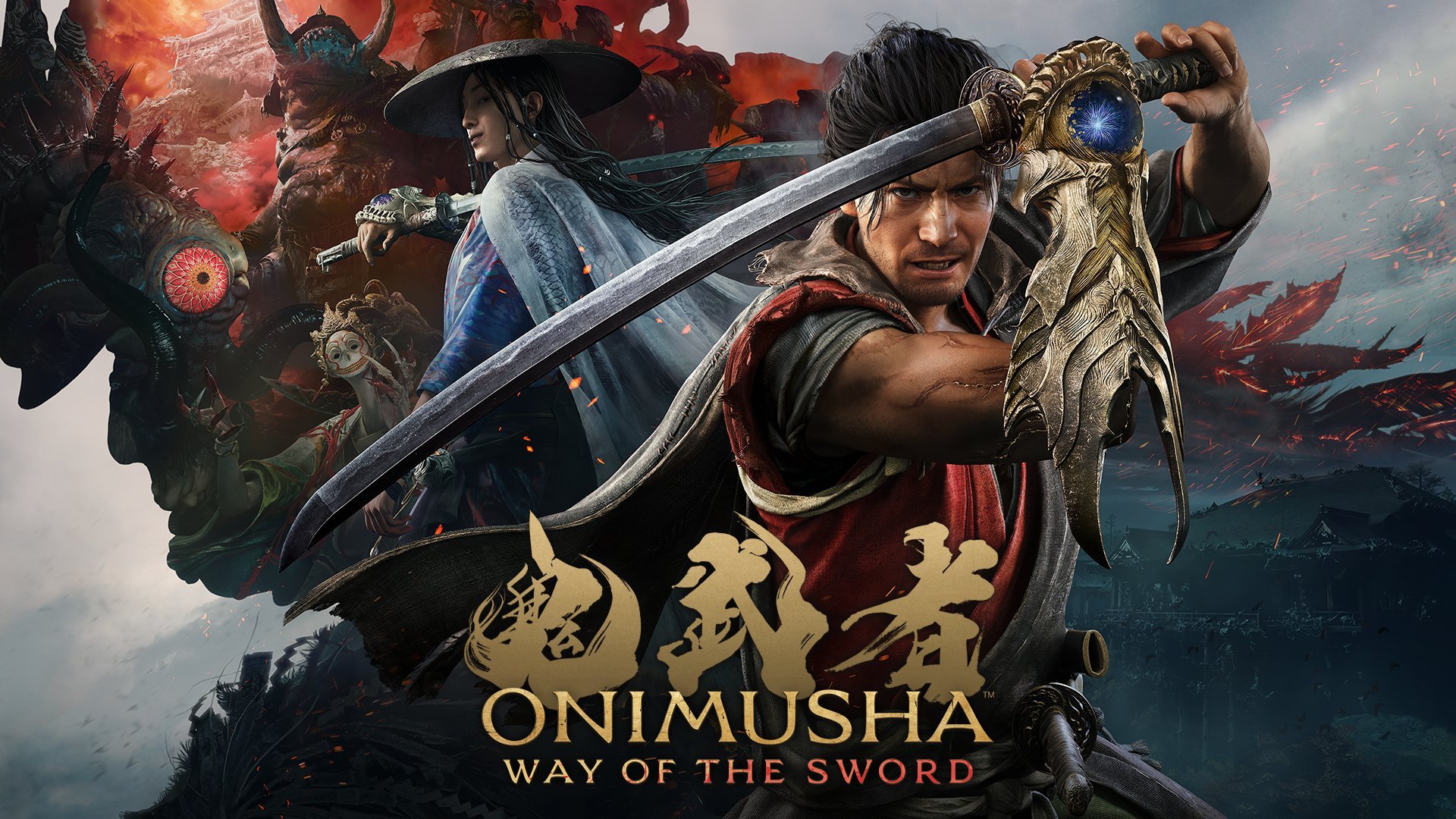
Genma are back
Capcom has decided to take us back to the past, making us relive the Onimusha experience, available on PC, PlayStation 5, Xbox Series X|S and Nintendo Switch 2, this time set in a feudal Japan plagued by the return of the Genma demons. The story follows the story of Miyamoto Musashi, obsessed with the desire to become an unbeatable warrior by relying solely on his mastery and following the path of the sword. After being defeated and deprived of his honor by forces beyond human comprehension, Musashi is saved from the waters of the Underworld thanks to a legendary Oni Gauntlet.
Musashi initially considers the magic gauntlet a real cheat, as well as a stain on his path of discipline and hard work. Despite this, he will be forced to exploit its supernatural power to face the invasion of the Genma, who are setting fire to the territories surrounding Kyoto. The story has little or no direct connection with the old chapters, thus being easily accessible even to those who have never played a title in the Onimusha series.
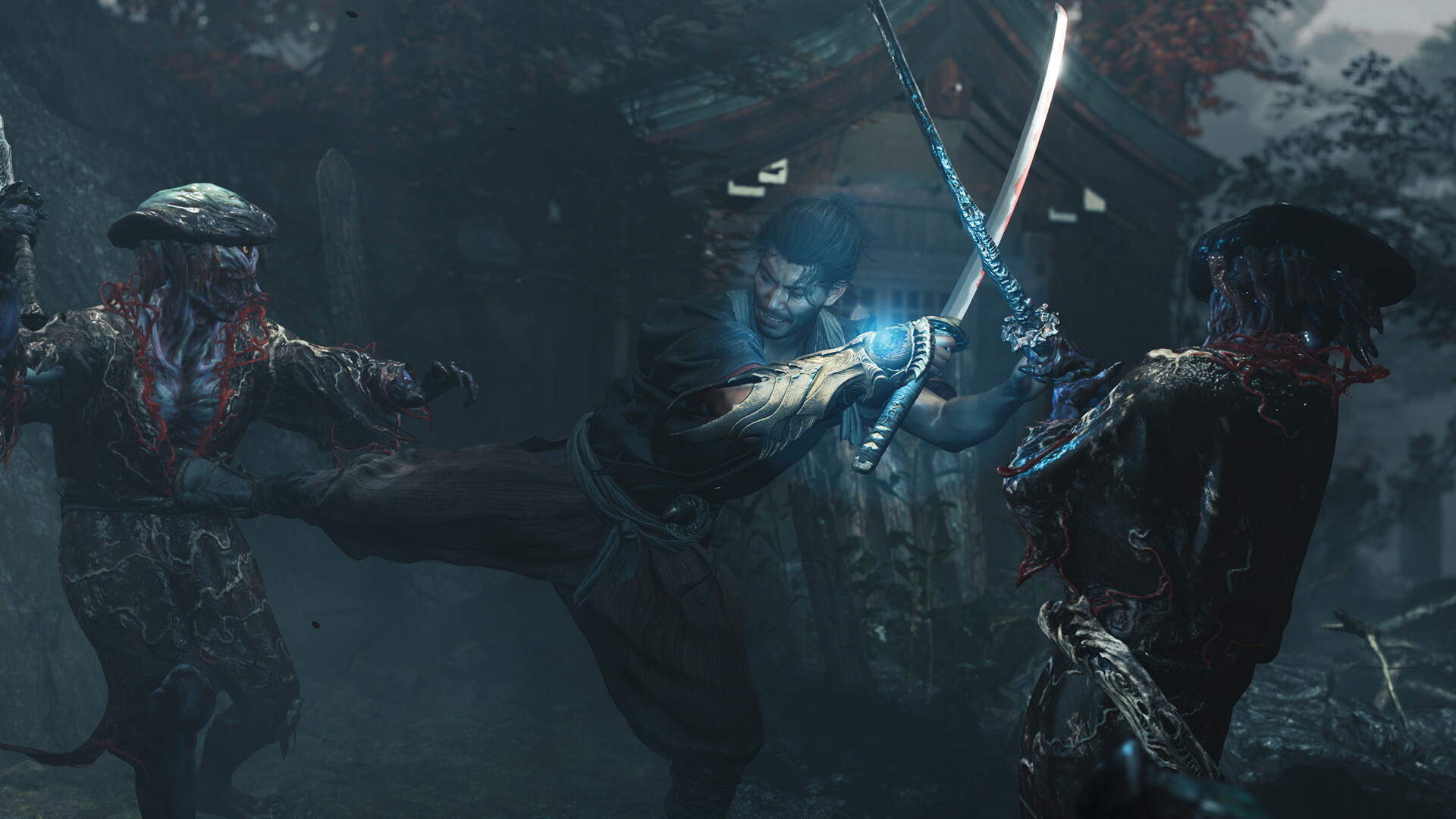
Sharp Sword Fights
The gameplay is precisely the strong point of Onimusha. The title is classified as a hack and slash and the combat is fun and satisfying. We have parries, dodges and Issen, which for the uninitiated are critical counterattack moves that allow you to inflict massive damage or even instantly kill an enemy with a single slash. Learning to take advantage of these mechanics well becomes essential especially in the most challenging clashes, where attacking without criteria can quickly lead us to defeat.
In the gameplay we also have a lot of Oni weapons, each with different abilities, making the combat system more varied and allowing you to choose the Oni weapon you like best according to the situation. In fact, each weapon has different characteristics and capabilities and this allows you to experiment with different approaches during the fights. We also have a bow, useful for facing enemies from a distance and for managing some situations where getting too close can become risky.
To make the progression more interesting there is also the equipment upgrade system. During the adventure we can improve our swords, armor and the Oni Gauntlet itself, progressively increasing Musashi's abilities. This allows you to have a feeling of growth during the journey and to make the protagonist more and more prepared to face the enemies we will encounter as we go along. Weapon upgrades are particularly important because it allows us to invest in the swords we use the most, while improving the armor and the Oni Gauntlet allows us to make Musashi more resistant and better exploit his supernatural abilities.
The various ways to kill enemies are also beautiful. For example, with archers we can decide whether to kill them by making them return their arrows, or dodge the blow and take advantage of the opportunity to get behind them, creating a dedicated animation to eliminate them. So it's not just a matter of running towards the enemy and hitting him until he falls to the ground, but we can use the different situations to our advantage. In short, we have many creative ways to deal with enemies and this makes the fights more fun, especially when we start to become familiar with all the possibilities offered by the game.
In addition, Musashi can also use the environment in his favor. Cover can be used as a shield or thrown at your enemies, adding an extra element of variety to the fights. These small elements work well because they allow you to take advantage of your surroundings and make some situations less static. Although the system remains mainly based on melee combat, there are therefore several possibilities that manage to give some variety to the battles.
However, the combat is beautiful and satisfying, yes, but it is not without criticism. In fact, we have a scarce variety of enemies and, as we progress in the adventure, it happens quite often to find opponents already faced previously. Even the bosses, despite the fact that the boss fights are spectacular, have been partly recycled, as well as some mini bosses, probably to lengthen the duration of the game. It's okay to want to make the title longer, but facing the same boss two or more times ends up boring, especially when you expect a completely new fight after overcoming an important part of the adventure.
Even exploration does not always manage to maintain the same level as the combat system. Kyoto is not very varied and the secondary missions are not stimulating enough, often being boring and repetitive. The structure of the zones also tends to be repeated, making exploration less interesting as the adventure continues. The problem is therefore not the presence of areas to explore, but the fact that these do not always manage to offer something really new, especially when we find ourselves retracing situations and settings already seen.
In the end, Onimusha gives his best when he puts a sword in his hand and lets us fight. The combat system, the Issen, the Oni weapons and the possibilities offered by the environment make the clashes fun and satisfying. Too bad, however, for a variety of enemies that is not always convincing and for some situations that tend to be repeated, elements that prevent the gameplay from being really perfect.
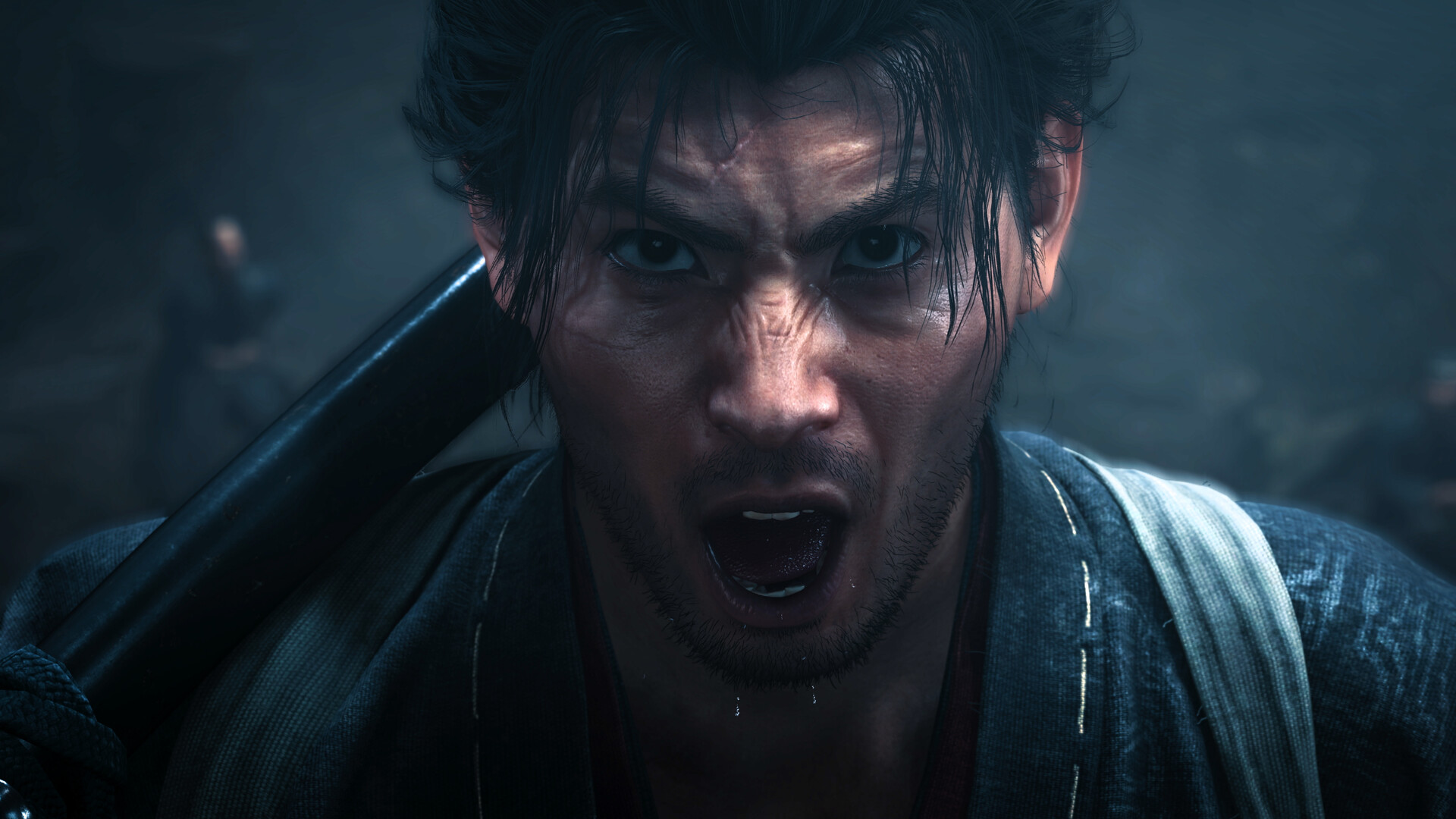
On with the memes
Who hasn't seen at least one meme about Musashi and his facial expressions these days? I think practically no one! His expressions are now making the rounds on the net and, playing, you immediately understand why. The characterization of the characters is excellent, especially as regards the protagonist. Miyamoto Musashi's face and facial expressions are inspired by the actor Toshiro Mifune, resulting in extremely expressive and charismatic. In some situations his expressions are so exaggerated that they even get a few laughs, especially during the most particular dialogues.
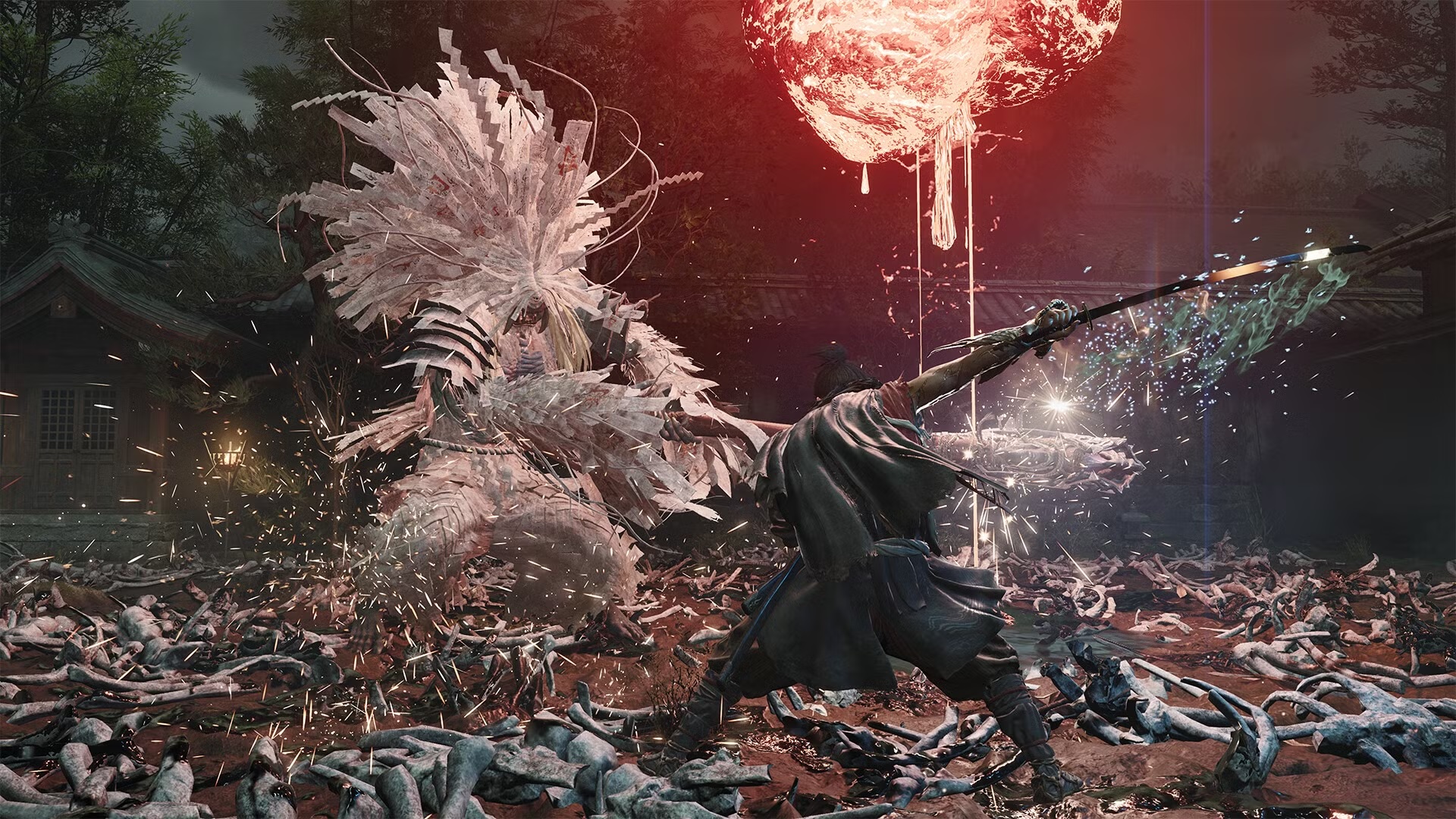
But it is not only him who is characterized so well. Sasaki Ganryu, Musashi's great rival, also has a design that perfectly reflects his eccentric, theatrical and almost crazy personality. The contrast between the two works very well and makes their encounters even more interesting. Capcom has therefore done a great job not only in making characters that are beautiful to look at, but also in being able to communicate part of their personality through their face, animations and way of moving.
Capcom's work, however, is not limited to character design, because creatures and bosses are also made with great care and manage to stand out from each other. The Genma have a very particular appearance and manage to maintain that dark fantasy component that goes well with the historical setting. Even the boss fights benefit from this work, thanks to imposing and detailed creatures that manage to give a good impact during the clashes.
Added to this is a graphic sector that, despite the repetitiveness of some areas, still manages to give really beautiful views. Capcom has in fact dedicated obsessive care to the historical reconstruction of Japan at the time. Kyoto and the surrounding areas are rich in details, from wooden buildings to roof tiles, passing through vegetation and historic temples. Even the small elements present in the environments contribute to making the game world believable, giving the feeling of really being in feudal Japan.
The result is a setting that manages to convey the atmosphere of the time well, especially when the historical component is combined with the dark fantasy one. On the one hand we have temples, villages, traditional houses and natural landscapes, on the other we are faced with demons, blood and completely corrupted places. It is precisely this contrast that works particularly well and gives Onimusha its own visual identity.
To make everything even more special, the presence of the miasma of the Genma takes care of it, which transforms some areas into corrupt and disturbing places. The beauty of the Japanese environments is therefore continuously contrasted with fog, demonic corruption and infernal creatures, creating a truly successful visual impact. In some situations it almost seems to go from a historical Japan to a completely deformed version invaded by demons.
The lighting also contributes a lot to this result, especially during the clashes, where the effects of the Oni weapons and the Oni Gauntlet are able to stand out within the scenarios. The lights, colors and effects of the supernatural abilities give greater spectacularity to the battles and make some fights particularly enjoyable, especially those against larger enemies.
The only real problem, however, remains the repetitiveness of the settings. Although the attention to detail is evident, during the adventure we will often find ourselves passing through the same places and alleys of Kyoto again. In the long run, this risks making exploration a little less interesting, especially considering the presence of some areas that are structurally very similar to each other. It's a shame, because when Onimusha decides to show something new, it often manages to give truly evocative scenarios.
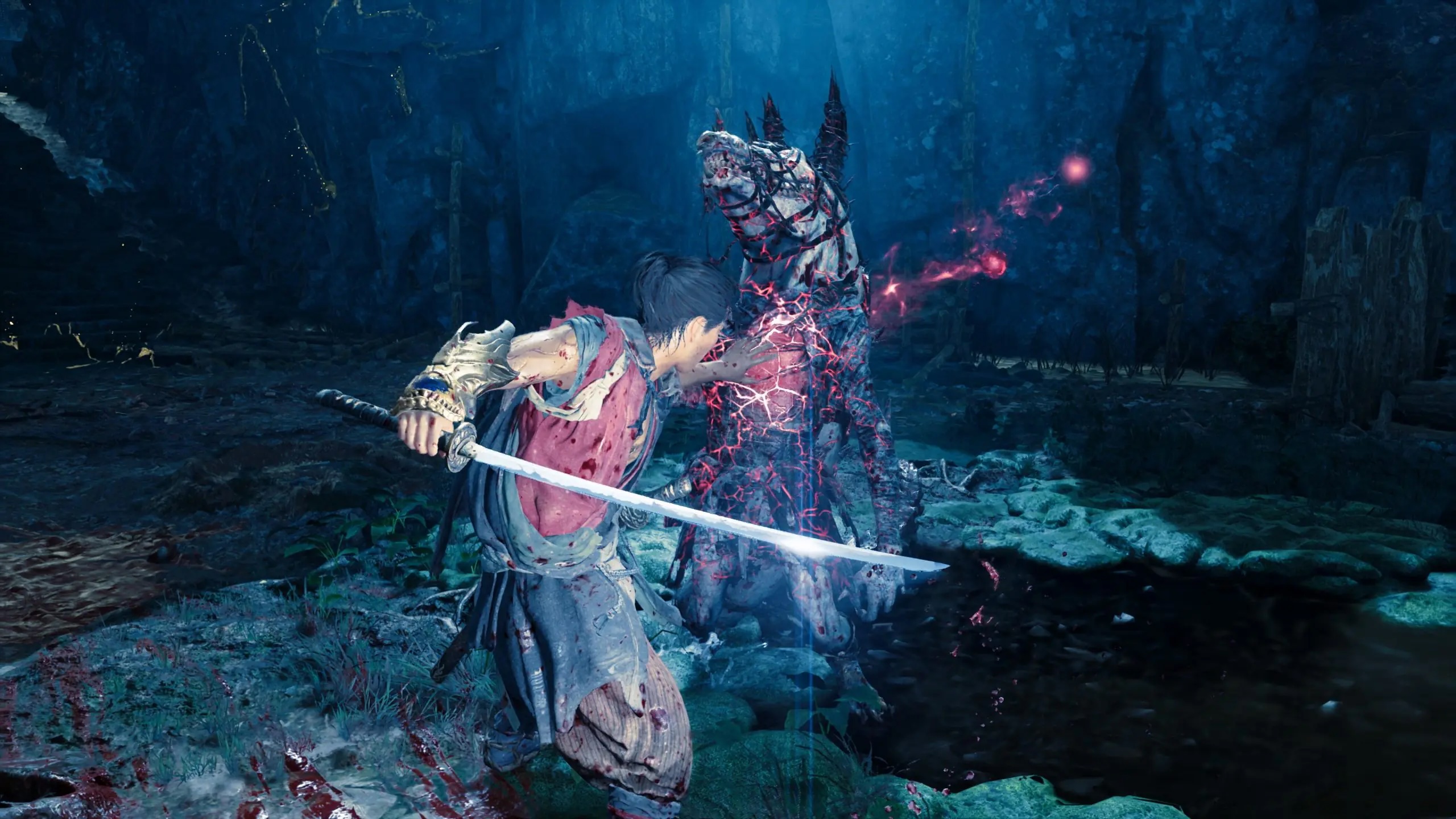
The samurai knew their stuff, even in the field of optimization
Onimusha has officially confirmed the versatility of Capcom's RE Engine . The game runs stably at 60 FPS, even during the most chaotic and difficult to manage combat phases, while also maintaining an extremely linear frame time. One thing I particularly appreciated is the feeling of fluidity that you have during the clashes, where between parries, dodges, Issen and Oni weapon effects the screen can become quite lively. Despite this, the game manages to maintain good stability and does not present any particular problems that ruin the experience.
Also on the graphics settings front, the title offers a good configuration possibility. In fact, we can intervene on heavier elements such as shadows and reflections, obtaining rather important frame gains without excessively compromising visual quality. This therefore allows you to find the right compromise between graphics quality and performance quite easily, especially if we do not have a particularly powerful PC .
There are also upscaling technologies such as DLSS and FSR, which allow you to further increase the frame rate while maintaining good image quality. Personally, I always find the presence of these technologies positive, especially in a game where fluidity is important to be able to react correctly to enemy attacks. In a title based a lot on parry times and Issen, having a stable experience is therefore not only an aesthetic factor, but also contributes to making combat more precise.
Another aspect I appreciated is the way Onimusha handles the different game situations. Although some areas are more dense with elements than others and there are times when we have several enemies on the screen at the same time, the game manages to handle the amount of effects and animations present well. Even during the most eventful battles I did not encounter any particular problems capable of compromising the gameplay.
Obviously we are not talking about a technically perfect title, but overall the result is really convincing. The RE Engine proves once again that it can be used for very different productions, managing to manage without particular difficulty both the settings of feudal Japan and the supernatural effects related to Genma and Oni weapons.
We can therefore say that Capcom has done a really good job of optimization since having a game that maintains 60 FPS stably in 2026 is almost a mirage. Onimusha is one of those games that, once launched, simply allows you to play without having to worry about performance all the time, and that's exactly what I expect from a good optimization.
A return that convinces
Onimusha is a return that, at least as far as I'm concerned, succeeds in its intent. Capcom has brought back to life a historical series without making it too difficult to approach for those who have never played the old chapters, building an adventure that focuses above all on the quality of the combat system. The gameplay is undoubtedly the strongest point of the production. Parries, dodges, Issen and Oni weapons make the clashes fun and satisfying, especially when we learn to take advantage of all the possibilities that Musashi has available. Even the way we can use the environment and face enemies in a different way adds that pinch of variety that I appreciated. The technical sector is also convincing, thanks to a careful artistic direction, a good characterization of the characters and an excellent reconstruction of feudal Japan. Added to this is a truly excellent optimization, which allows you to enjoy the adventure with great fluidity.
However, it is not a perfect game. The variety of enemies and bosses could have been greater and facing the same opponents several times ends up being repetitive. Even some areas of Kyoto and secondary activities could have offered something more, especially in the long run.
Despite these flaws, Onimusha really enjoyed me and I think it is a title that manages to enhance well what made the series famous, adapting it to a modern audience. If you love hack and slash and are looking for an adventure set in feudal Japan, Onimusha is definitely a title worth playing.
About the Author