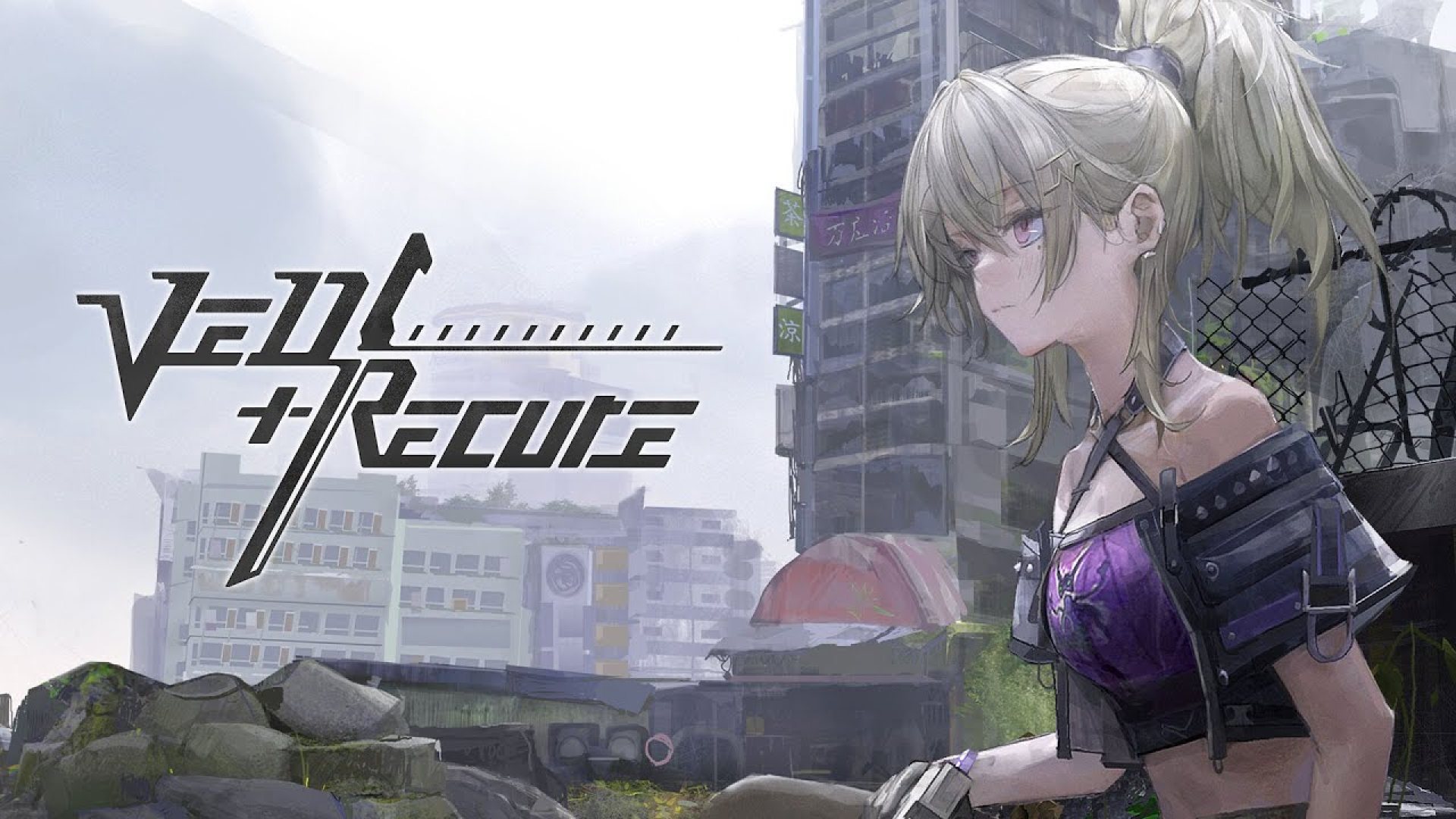
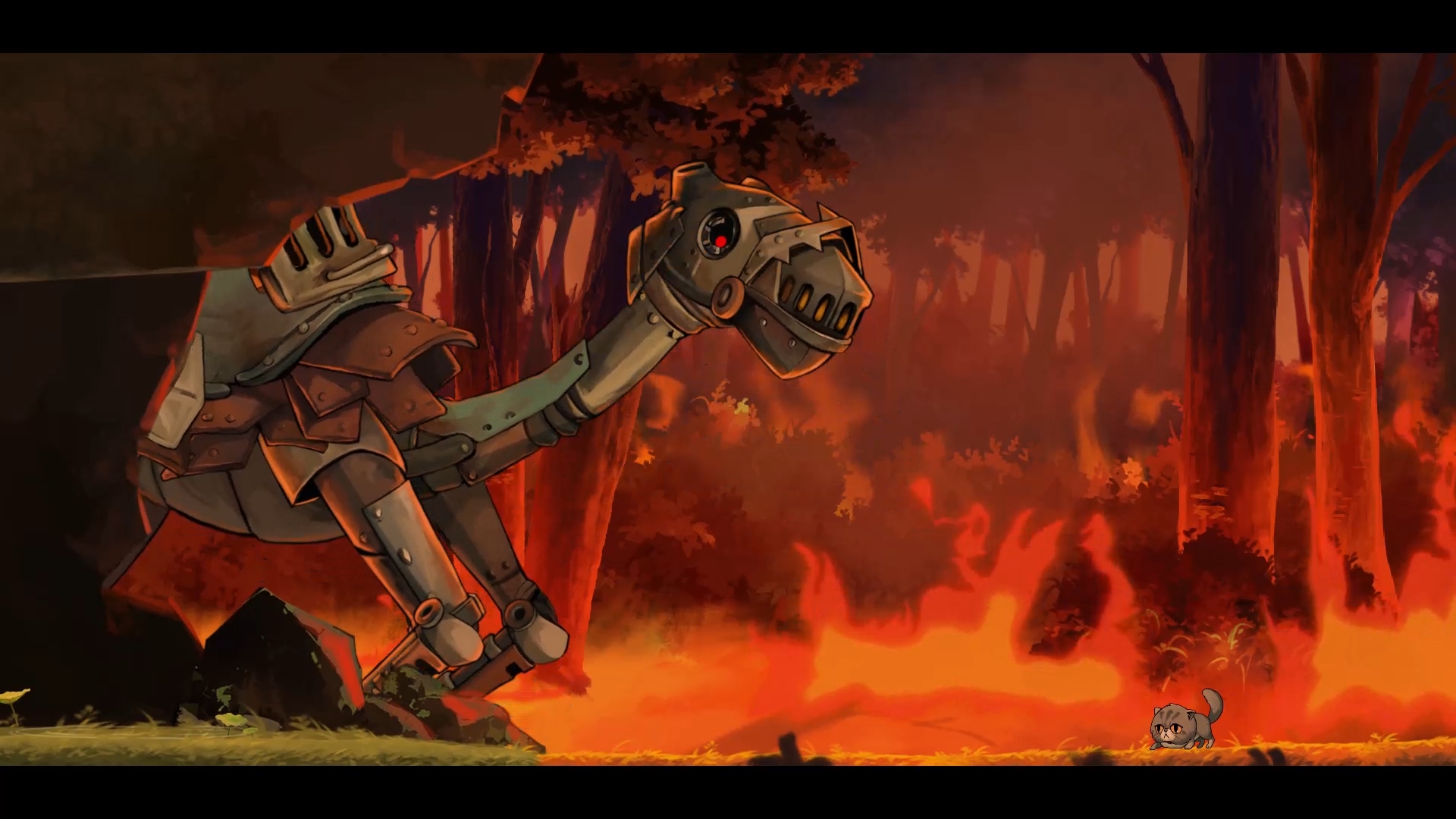


♪ is a asymmetrical cooperative horror for two players developed by Game Atelier, built around such a simple and effective idea: completely separate the roles of participants and transform communication into the true heart of experience. We are not in front of the classic horror title in which more players explore together the same haunted environment, but to a real couple test, where trust, clarity and ability to coordinate become instruments of survival.
This content is provided by YouTube. To view it, you must allow external content. Activation may result in data being shared with the third party.
The narrative premise is interesting and offers the game a rather recognizable frame. Follow Us is set in a dystopian future where people live isolated in their homes, observing the outside world almost exclusively through a screen. In this context a creepy show broadcast from a losco channel called own Follow Us, where participants are sent to lethal settings to entertain a hungry audience of tension, danger and show. The player thus becomes part of a macabre escape room television, in which the price of entertainment is its own safety.
The structure of the game rotates entirely around the division between two roles. On the one hand there isExplorer, the player who physically enters dangerous environments, often wrapped in darkness and full of threats. On the other is theOperator, which remains in the van and supports the remote companion through monitors, maps and control tools. It is a design choice that works because it is not limited to separating players into space, but forces them to really depend on each other.
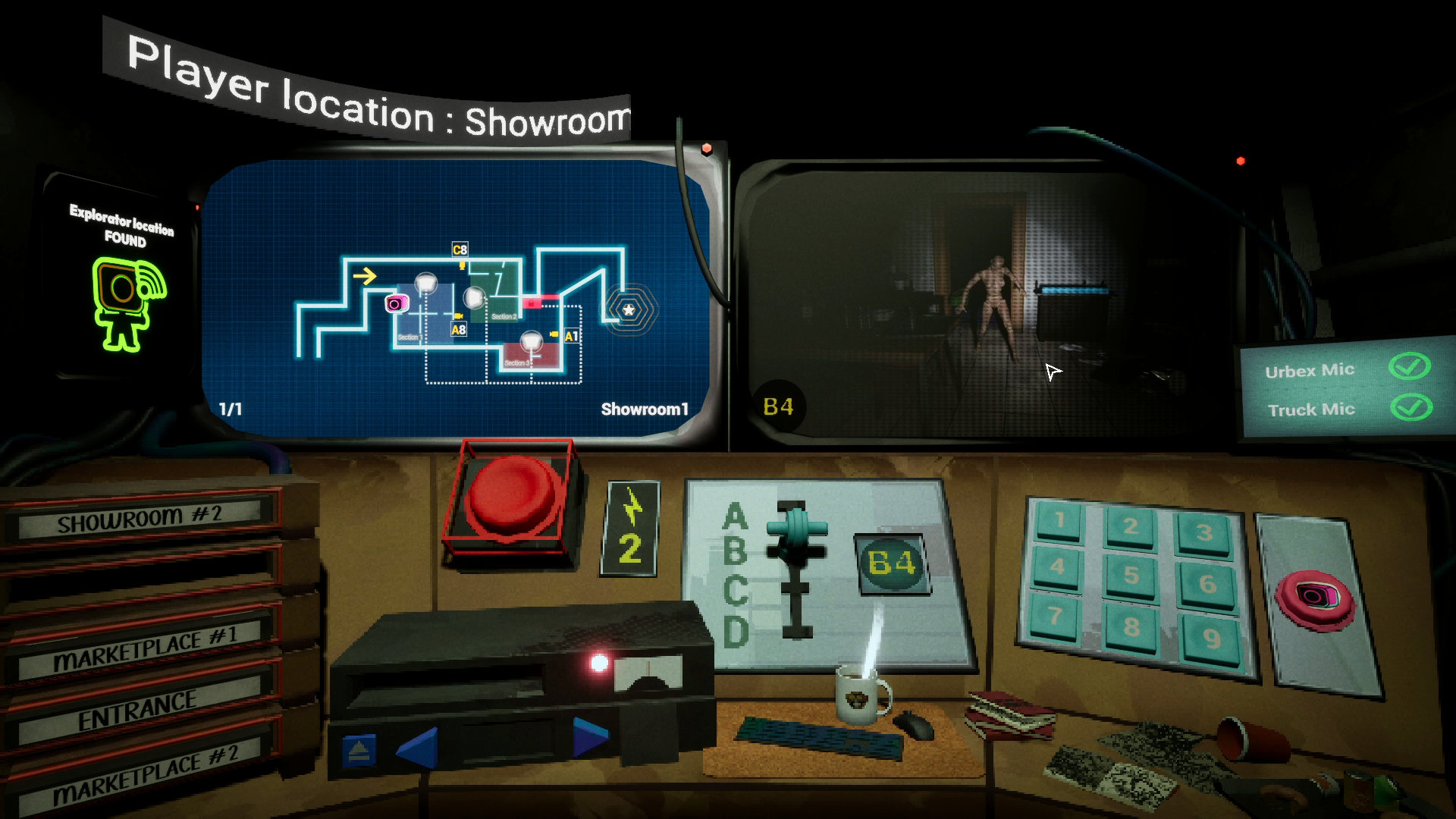
The Explorer lives the experience more directly and viscerally. He is moving between corridors, disturbing rooms and potentially deadly situations, without always having a complete vision of what surrounds him. The Operator, however, looks at the situation from a seemingly safer position, but not for this less stressful. From the van must interpret the information available, drive the partner, anticipate the dangers and communicate as clearly as possible. The result is a voltage particular, different from that of many other cooperative horrors: here fear arises above all from uncertainty, pressure and the possibility of misinterpretation at the worst moment.
The main strength of Follow Us is the communication. To advance it is not enough to have good reflections or to know the map. You have to speak, listen, accurately describe what you see and trust the other player’s directions. Every communication error can be transformed into a moment of panic, but also in a hilarious situation. And this is where the game shows its best personality: Follow us Us can be creepy and fun at the same time, alternating anxiety, confusion, tension and nervous laughter.
The separation of roles is managed convincingly because both players have something to do. The Operator is not just a privileged viewer, but a fundamental figure for the survival of the Explorer. Similarly, those on the field cannot proceed alone without taking into account the information received from the van. This is it. interdependence creates a strong sense of collaboration and makes each match different from the pair of players involved. Interesting also the possibility of exchange roles between one session and the other. Playing with the same partner, Follow Us becomes almost a experiment on couple dynamics, friendship or simply collaboration. There are those who find themselves better to give instructions and those who prefer to act on the field, those who keep calm under pressure and those who tend to panic. The game works because it highlights these aspects, transforming communication itself into a playful mechanic.

From the point of view of the atmosphere, Follow Us does not necessarily focus on the roughest horror or on the easy spanishes. It is not a title that constantly seeks jumping or explicit violence. His strength is rather in psychological tension, in the sense of isolation of the Explorer and in the impotence of the Operator, who often can see or intuit danger without being able to intervene directly. It is a subtler kind of fear, built on the expectation and anxiety of not being able to communicate in time.
As a title in Early Access, Follow Us naturally also shows some margins of improvement. The most worthy aspect of being expanded is variety of enemies and threats. The current meetings can create good moments of tension, but over the long term the game would benefit a lot from the introduction of creatures with more diversified behaviors, capable of making sessions less predictable and more surprising. Another element that could be developed further concerns the role of the Operator. The van, at the moment, works mainly as a safe area from which to manage the Explorer support. This choice is consistent with the structure of the game, but introducing occasional threats or events capable of putting pressure on even those who remain in the van would make the experience even more balanced. To force the Operator to react to sudden problems, technical disturbances or direct dangers would increase involvement and make both roles equally tense.

Despite these limitations, Follow Us already has one very promising base. The idea of transforming a cooperative horror into a proof of communication works and allows the title to stand out in a quite crowded genre. Game Atelier is not limited to putting two players in the same nightmare, but builds an experience in which the real danger is not only what is hidden in darkness, but the difficulty of understanding when pressure rises. Follow Us is therefore a project to keep an eye on, especially for those seeking a cooperative experience other than usual. It's not perfect and it still has need content, variety and some extra risks in role management, but its identity is already clear. When the game works, it manages to generate memorable moments made of panic, screams, confused and sudden statements of mutual trust. For cooperative horror fans, Follow Us represents a fresh and intelligent proposal. He doesn't just want to scare, but to test the relationship between two players. And in this sense, he already manages to focus his goal: to transform survival into a matter of listening, collaboration and trust.

About the Author