This content is provided by YouTube. To view it, you must allow external content. Activation may result in data being shared with the third party.
The gacha for tired boomers
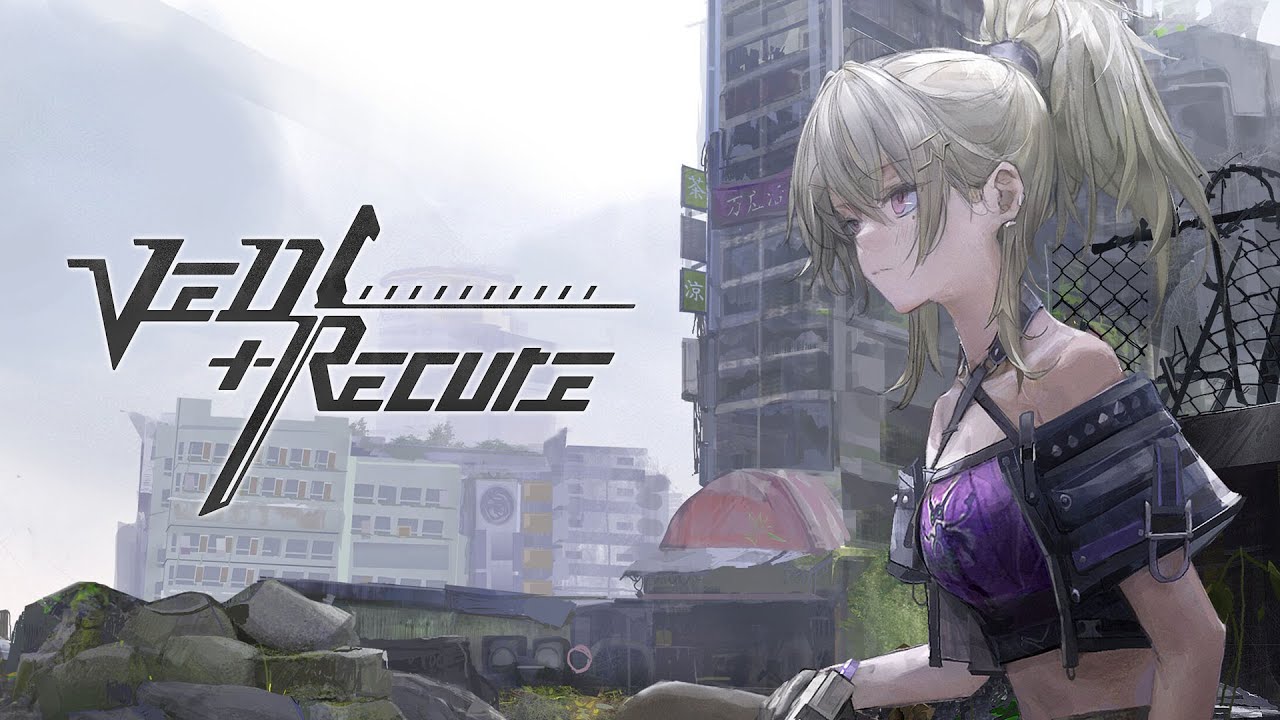
The game is positioned in a very specific market niche, which I affectionately call "the gacha for those who have a life". We are talking about us thirty-forty-year-olds with a full-time job, who perhaps watch the high-level waifu and the sensational animations of Zenless Zone Zero or Wuthering Waves with heart-shaped eyes, but run away terrified at the idea of having to log-in every day to redeem coins and expare (I, actually, sometimes fall for it again).
Ved: Recure promised to be the ultimate cure: no predatory mechanics, no season passes, no watered-down live service plots. You go in, admire the character design that knows exactly where to hit, you beat your hands, you enjoy a short but genuinely funny (and very meta-referential) story and you cut off. On paper, it was the love letter I was waiting for.
Then, however, I picked up the pad.
Waifu, waifu everywhere, but not even a button to jump
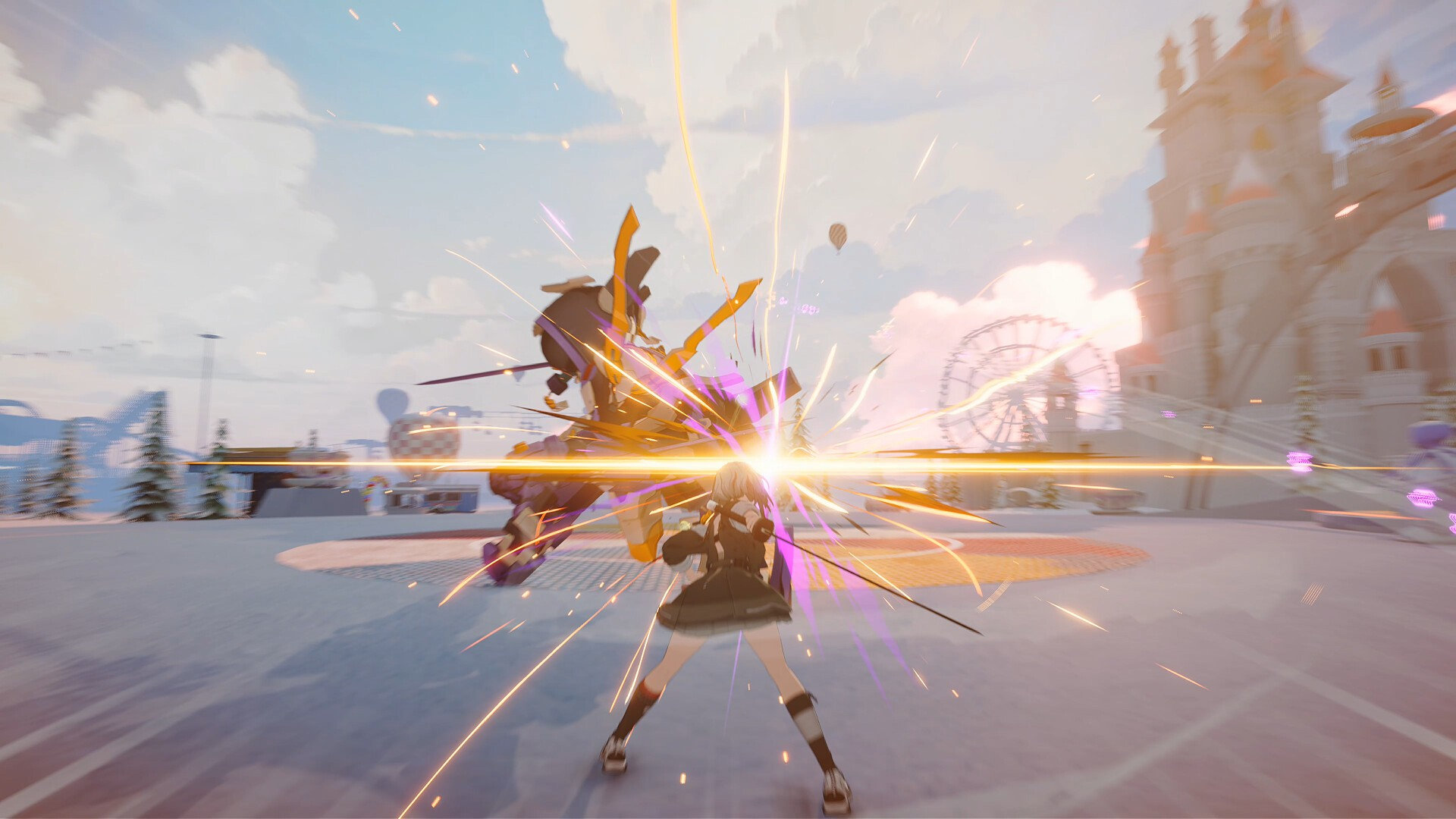
Pad in hand, the combat system initially presents itself as a riot of particle effects and sensational blows. The feeling follows the trend of parry-focused action that are popular today. For the first ten minutes of the game you feel unstoppable, thanks to a visually well-kept roster (yes, the waifu are of a good level) and a soundtrack that pumps pure energy.
Then, however, you start to look beyond the glitters and notice the structural cracks. The fundamentals are blatantly missing: there is no button to jump and there is no manual dash (there is only an ungainly automatic animation after dodging). This absence nips in the bud any ambition of aerial combat or creative approach to fights. You have your basic attack, a special, the dodge and the parry.
End.

The real drama, however, takes place on the rhythm. The game strongly encourages you to deflect the blows, showing you a red indicator before the enemy attack, but the timing of the animations is simply wrong. I'll give you a concrete example: facing a boss I found myself suffering a combo of three quick hits followed by an unparriable final attack. If in titles like Stellar Blade you enter a sort of rhythmic trance where you follow the flow of the animation, here there is an artificial micro-delay in the last attack that completely staggers the timing. You keep dodging or attempting a perfect parry waiting for the blow to come, and instead you are caught in full because the animation lingers a millisecond too long. You burn the i-frames, get thrown away, and start wondering if it's you who has a reflex problem, if the controller is lagging, or if the game is trivially out of sync. (Spoiler: it's the game).
Do you crave power? Stick to it...
To keep the experience going there should be the roguelite-style gameplay loop, which unfortunately soon turns out to be the real Achilles heel of the production. Making a run means going through unchanged environments, beating the same handful of enemies and refacing the same bosses in an infinite sequence.
After sweating to knock down a boss, the game presents you with a sadistic choice: recover a measly fraction of life points or take an upgrade. And here falls the donkey, because the buffs offered are of a paralyzing bore. There are no modifiers capable of upsetting the approach to battle or creating crazy combos; we are talking exclusively about passive numerical advantages such as "do more damage" or "take less damage". They are power-ups totally devoid of synergy with each other, which do not alter your build in any way. As a result, you find yourself mechanically repeating the exact same rotations of attacks for fifty minutes, as if we were raiding on WoW (MMORPG purists don't want me to take it from me).
If you die towards the late stages you lose all temporary buffs, gain a pittance of currency that barely allows you to upgrade your gear to bronze or silver rank, and you have to start from scratch. Frustration quickly overcomes fun.
Thirty gigs of parry out of time
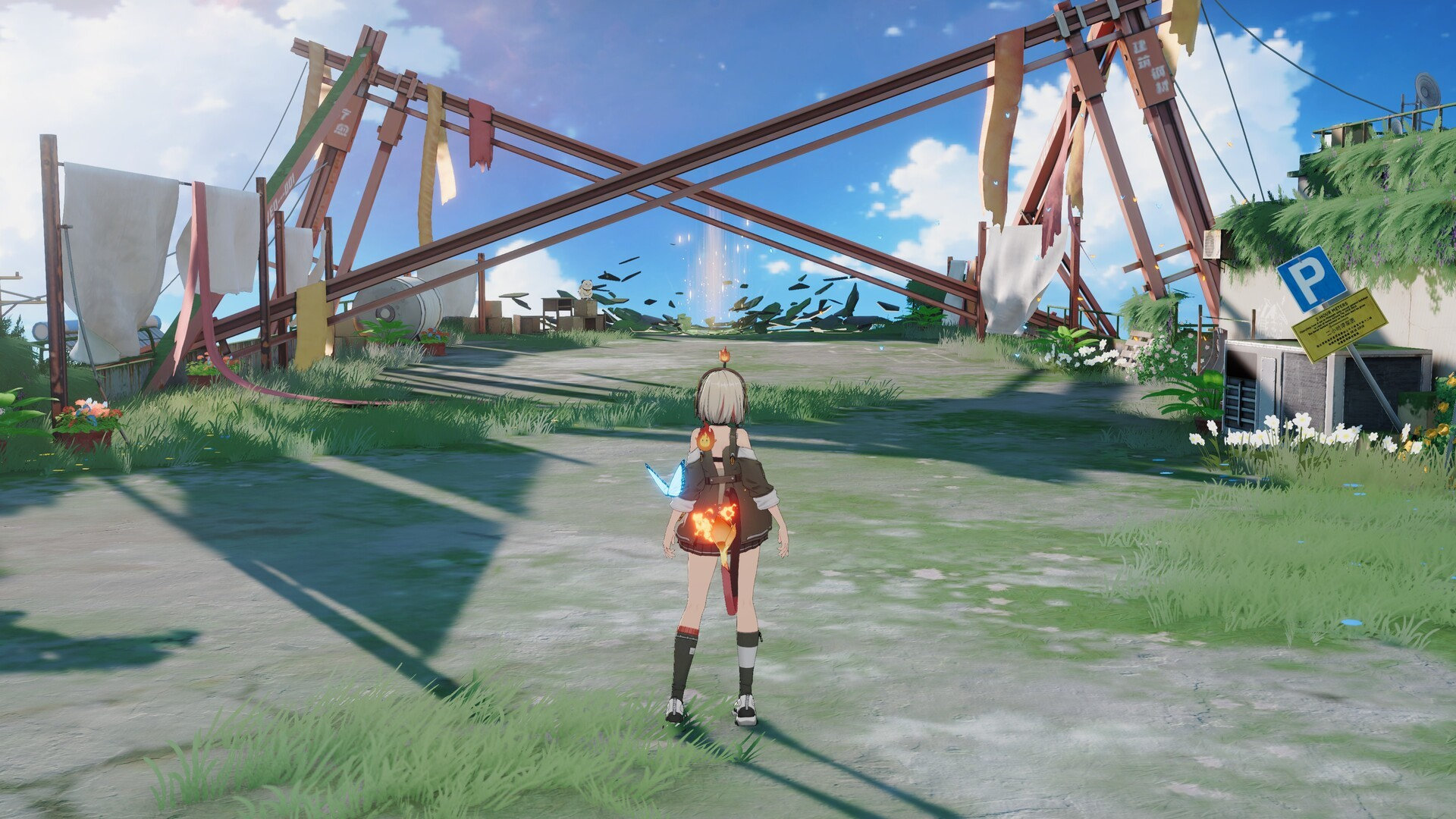
From a technical point of view there is a mystery that should be studied: how is it possible that a title with so little variety of assets, limited arenas and a handful of enemies weighs more than 30 GB on the hard drive? Sure, the character models are clean, the overall aesthetic is nice and there is the beautiful gem of the equipment that dynamically changes on the screen on the protagonist's body instead of just being a number in a menu, but there is nothing in terms of textures that justifies such a weight.
On my PC configuration, the title has never struggled, maintaining a stable framerate without heating up the hardware in the slightest (and I would like to see). However, the stability of the frames is not enough to cure that annoying sense of input lag and de-synchronization of the hitboxes I was talking about earlier, a technical problem that directly and negatively impacts the way you experience the fight.

Finally, too bad for the current impossibility of playing the title on Steam Deck natively, the title would lend itself really well to a fruition of this type.
In Conclusion
Summing up, Ved: Recure is the classic "I wish I could but I can't" title. If you're willing to turn a blind eye (maybe two) to grueling progression and flat combat mechanics in the long run, you'll find an aesthetically pleasing action experience, sold at a fair price and capable of giving a few hours of light-hearted entertainment. Its identity as a "gacha for tired adults", free of monetary traps and with genuinely funny dialogues, is commendable and deserves support. However, the extreme repetitiveness of the gameplay loop and the lack of depth in the builds make it a title that will show you everything it has to offer in a couple of hours, probably ending up gathering dust in your library.
Just like the other 999s.
About the Author