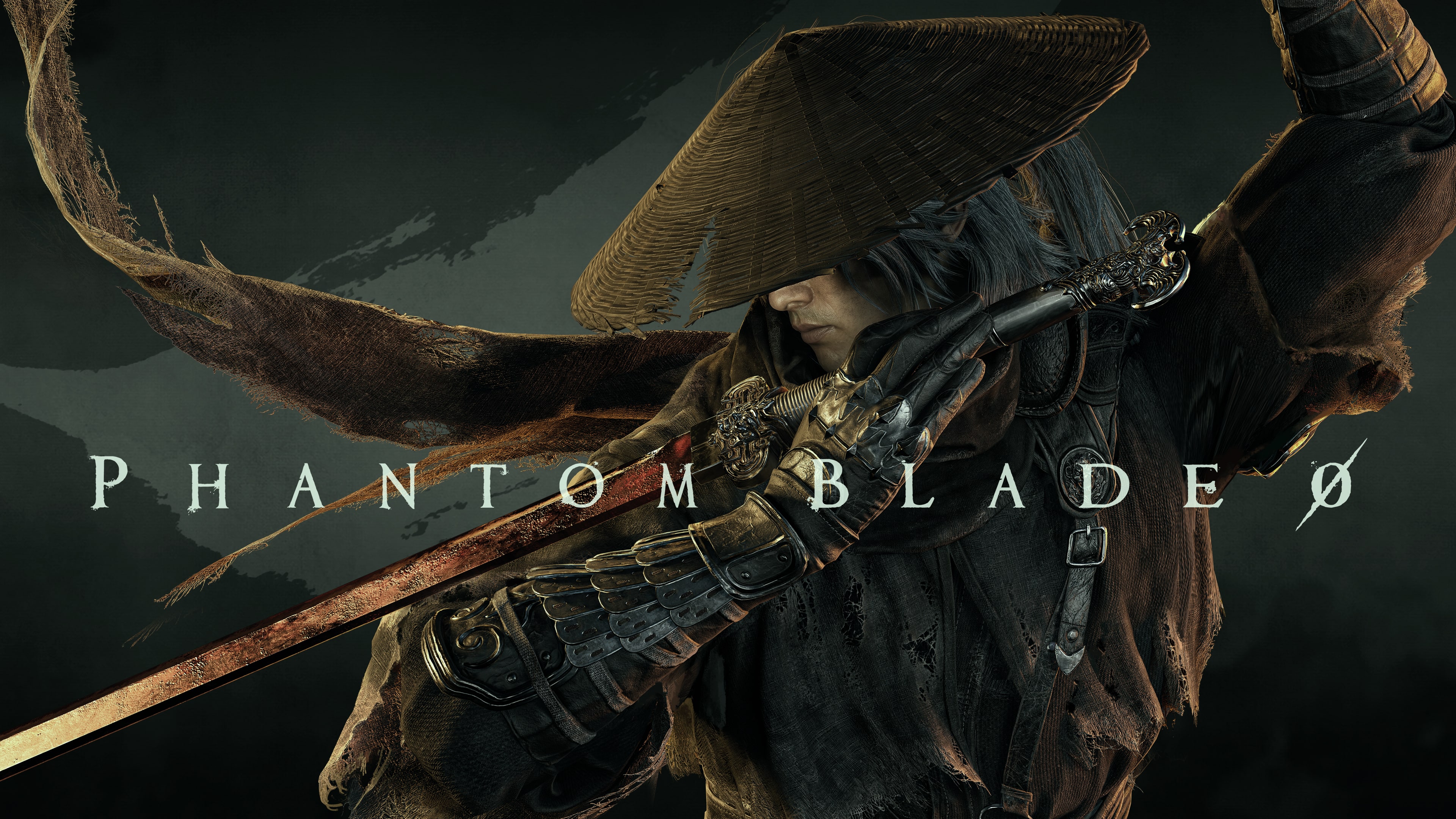
Phantom Blade Zero is the new action RPG wuxia developed by S-GAME, an adventure that transports us to a world inspired by Chinese martial arts, where intrigues, betrayals and battles are at the heart of the experience. In the game, we assume the role of Soul, a swordsman serving a mysterious organisation known as The Order, which has only 66 days left to live. Accused of his master’s murder, the protagonist finds himself hunted across the Wulin, a world populated by warriors, clans and mysterious organisations, as he seeks to uncover a conspiracy threatening the entire universe of martial arts.
After being seriously injured during his escape from his former allies, Soul is saved by a mysterious healer. The treatment he receives, however, comes at a particularly high cost. The cure that keeps him alive is only temporary and grants him barely 66 days to complete his mission. From this moment, he begins a desperate race against time, amid old grudges, ruthless enemies, and secrets to be exposed. Soul will have to rely on his own sword skills to survive, uncover the real perpetrators of the murder, and clean his own name before it’s too late.
The 66 days plot device is one of the adventure’s most interesting narrative elements. It doesn’t merely add a dramatic layer to Soul’s character, but it also conveys a constant sense of urgency, perfectly matching the frenetic pace of the action. The protagonist is not willing to accept his fate and instead responds with all his strength, turning what appears to be a condemnation into a motivation to complete his mission.
The plot, however, is not free from some issues. What initially appears to be a relatively simple story gradually becomes enriched with numerous documents to collect, subplots, references, and cinematic sequences that help deepen the game’s world. On one hand, these elements make the narrative richer and more structured; on the other, they risk overly complicating its understanding.
Some steps require a certain level of attention, especially when new characters and events are introduced via flashback and references to previous situations. Those who tend to focus primarily on combat might easily lose track of the narrative, finding themselves continuing the adventure without fully understanding some key events.
Interesting also the choice of accompanying the conclusion of some chapters withanimated sequences created in different artistic styles. A solution that recalls what was already seen in Black Myth: Wukong and that demonstrates S-GAME’s intention to approach a certain type of Asian productions that have captivated audiences in recent years. A stylistic similarity that might make some people wince, but which does not prevent Phantom Blade Zero from building its own identity.
A spectacular battle, but not without flaws
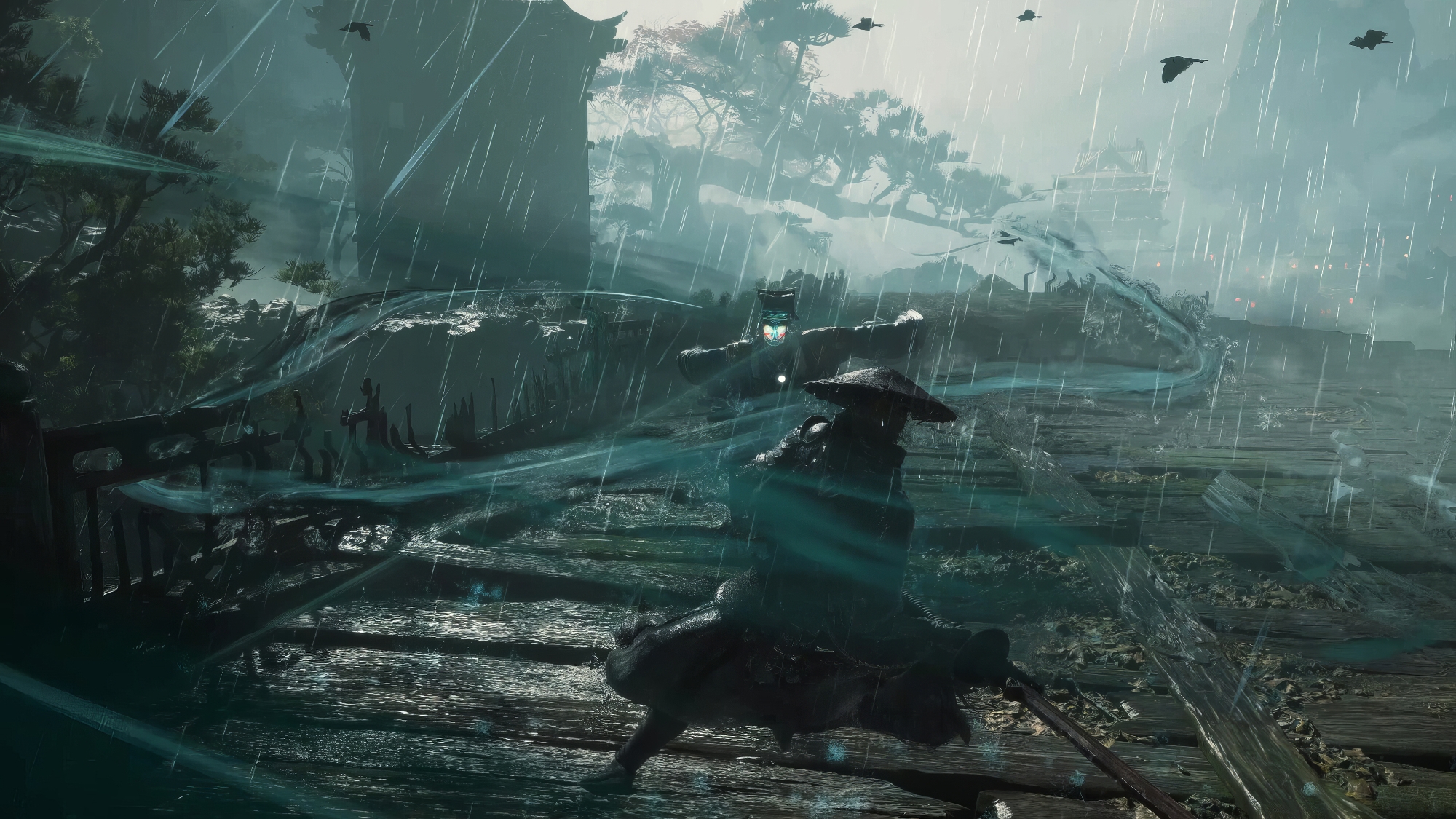
It’s through the combat system that Phantom Blade Zero shows its best qualities. Despite the visual spectacle initially suggesting a particularly complex experience, the core mechanics are quite simple and easy to pick up.
Attacks are primarily managed through two buttons, from which various offensive combinations can be obtained. Defense, on the other hand, relies mainly on parries and dodges, associated with the controller’s back buttons. Timing becomes crucial, especially when visual indicators appear, allowing players to identify the type of attack their opponent is about to make. Blue indicators signal attacks that can be parried, while red ones indicate attacks that must be dodged.
Performing a perfect block also activates theGhost Step, a ability that allows Soul to instantly teleport behind the opponent. In addition to restoring part of the spiritual bar, this technique opens a particularly favourable window for dealing critical damage.
Enter the Shaci, a form of spiritual energy that belongs to both the protagonist and the warriors you will meet on your journey. Normal parries consume part of your reserve, while perfect parries reduce the enemy’s energy. When that energy is depleted, their defense breaks, giving you the chance to chain multiple attacks.
The Shaci can also be used to perform special moves, often highly choreographed from a visual standpoint. The energy required is regained thanks to perfect parries and heavy attacks, which pushes us to constantly alternate between offensive and defensive strategies.
To complete the system, we find the ethereal weapons, which can be activated during combat thanks to the accumulated sparks. These prove particularly effective at breaking enemy shields and defenses, but they’re not useful only in combat. Some can indeed be exploited during exploration to destroy chains blocking passage or to reach otherwise inaccessible points, functioning, in certain situations, like a kind of ramp.
It’s not a soulslike, but it draws on some of its ideas
Regarding the overall structure, Phantom Blade Zero features several elements that immediately evoke soulslike productions. The campane serve as the primary control points and function similarly to the torches in Dark Souls, the Grace Sites in Elden Ring, or the Stargazers in Lies of P.
Be warned, though, because the title of S-GAME is not actually a soulslike nor a soulslite. It’s more of a pure action that seems to draw inspiration from recent titles like Black Myth: Wukong, while simplifying various aspects related to combat, equipment, and the protagonist’s progression.
Death, for example, does not carry particular penalties. We will not lose the accumulated currency, called Polvere della Coscienza, and, above all, enemies defeated previously will not return to life. Once an area has been cleared, we can traverse it again without having to face the same adversaries.
It’s a particular choice, likely intended to avoid forcing the player to constantly engage in farming. Enemies do, in fact, release a considerable amount of resources, and progression doesn’t necessarily require amassing large quantities of them.
Even battles against bosses offer a rather convenient solution. If we were to die during an advanced stage of a fight, we could resume the battle from where we had stopped, without having to restart from the beginning each time.
The progression of Soul is just as straightforward. Much of the development revolves around upgrading weapons, an operation that can be performed directly from the menu, without necessarily needing to visit a blacksmith. The protagonist can instead enhance their maximum health, the Shaci, and some additional abilities through a dedicated progression system.
The skill tree also proves quite essential and lacks particularly complex tiers. A solution that makes the experience more immediate, but one that might disappoint those seeking a particularly in-depth personalisation system.
Many weapons and an exploration to discover
A similar discussion concerns equipment management. During fights, we can use different weapons, switching them via the controller’s directional pad. This option allows us not only to constantly change combat style but also to better manage the Shachi, since each weapon has its own energy reserve.
The variety of the arsenal therefore represents an important component of the experience, especially as we begin to master the different offensive combinations. The problem is that, at least in the early hours, the game tends to guide us excessively with particularly persistent suggestions and tutorials. We will be constantly told which buttons to press and which actions to perform, occasionally interrupting the flow of the adventure. Fortunately, this presence becomes less intrusive as the campaign progresses.
The bells also serve another interesting function: clear fog from the map area where they are located. In this way, we can gradually explore different regions, tracking the completion percentage and identifying the main objectives.
The map is aesthetically very pleasing, but remains fairly essential in terms of the information it provides. Not all secret passages, safes, and secondary items are indicated, leaving the player to independently identify the various rewards.
Exploration, moreover, does not always maintain the same level of depth. Some areas turn out rather linear and limited to a few points of interest, while others offer significantly more expansive environments. Among these we find a city that, at certain moments, can appear excessively scattered.
A greater variety is contributed by the side missions, through which we can obtain new weapons, items, and chests, as well as face optional bosses, often particularly spectacular. Some activities are decidedly interesting, while others turn out less inspired and further fragment the main narrative.
To complete certain missions, you’ll need to return to previously visited locations, using backtracking to retrieve items and delve deeper into the story via documents and secondary characters. Among the most interesting elements are the flowers of memory, which activate sequences dedicated to Soul’s memories.
When the spectacle isn’t enough
Despite the various mechanics present, combat remains without doubt the true主角 of Phantom Blade Zero. The animations are extremely spectacular, and every attack seems to transform into a genuine choreography, with Soul engaged in acrobatics, spins, and movements that recall some of the finest action-oriented productions.
The issue is that so much spectacle isn’t always accompanied by equally convincing impact feedback. During several fights, especially against bosses, one sometimes gets the impression that certain attacks don’t land completely. Occasionally, the necessary sense of impact is missing, making every hit feel unsatisfying.
The particle effects and animations also contribute to making the fights particularly chaotic, while some rapid events inserted during battles occasionally interrupt the action's pace.
Definitely more satisfying are the final moves, activable via the corresponding button. We can eliminate enemies already near death, or exploit specific situations to surprise them from behind or above, creating particularly spectacular sequences.
Less convincing is the stealth component. The enemies’ artificial intelligence doesn’t appear particularly developed, and stealth phases often feel simplistic. Enemies tend to detect our presence in a somewhat implausible manner, charging us head-on without offering any meaningful tactical opportunities.
Fortunately, these situations do not form a central part of the experience, and we can safely correct any errors through direct comparison.
It’s clear that S-GAME intended to prioritise the spectacle and animation quality over the absolute precision of individual moves. The result, in certain respects, recalls Devil May Cry, with an accessible system that allows for particularly elaborate combos even without knowing every single mechanic.
This doesn’t mean Phantom Blade Zero is a game you should just press buttons at random. As the adventure progresses, especially against certain bosses in later stages, you’ll need to learn how to use weapons correctly, master parries, and make effective use of special abilities.
Some enemies indeed have a considerable amount of health and can absorb numerous attacks without showing obvious signs of weakening. In certain situations, it therefore becomes a risk to spend too much time striking the same enemy, leaving some doubt about the overall balance of the fights.
Difficulty can be adjusted at any time through various challenge levels. A solution that allows adapting the experience to your abilities, making the title accessible even to those not particularly accustomed to this type of production.
Personally, I recommend starting with the highest available difficulty level, lowering it if necessary should the experience prove overly frustrating.
A campaign that can last dozens of hours
Regarding longevity, the main campaign requires approximately between 15 and 20 hours, although the time needed can vary significantly depending on the selected difficulty and the player’s ability to tackle the bosses.
Who wants to complete a significant portion of side missions, collect all items, and discover optional areas can easily reach 50 or 60 hours total.
A decently long duration for an action game of this kind, especially considering the variety of weapons, side activities, and numerous battles that will accompany us throughout the journey.
A richly personal artistic direction
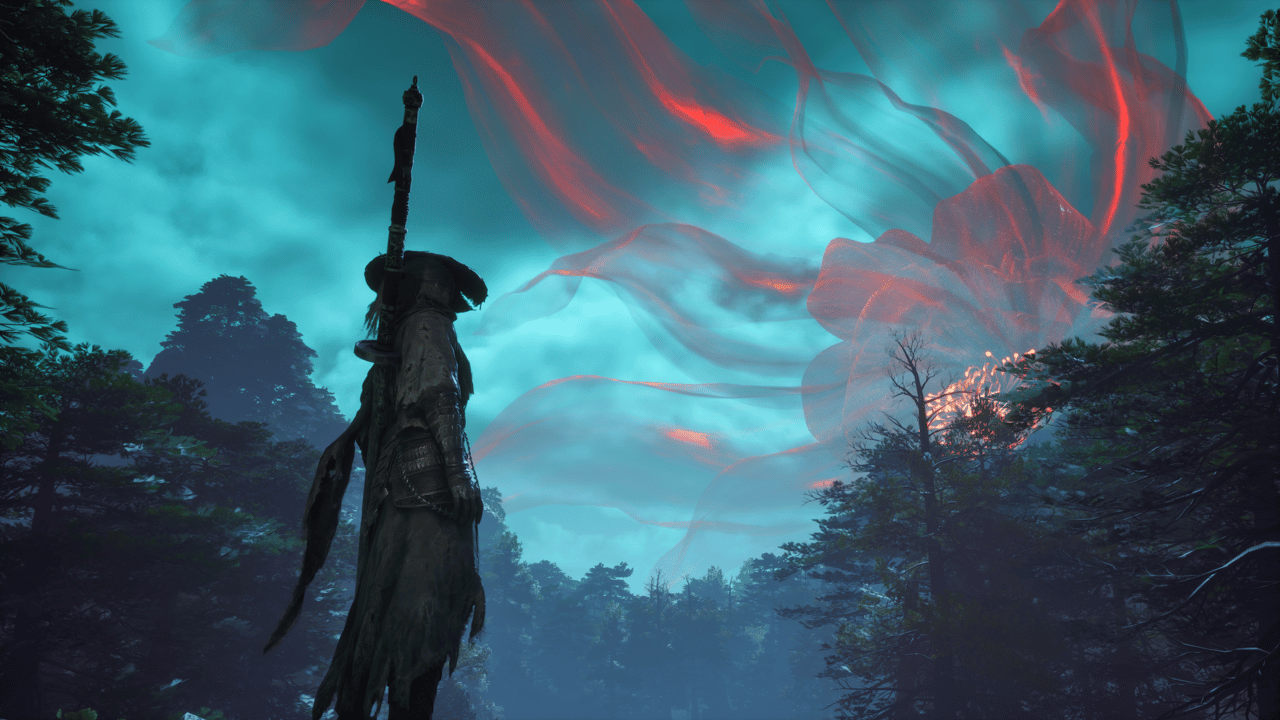
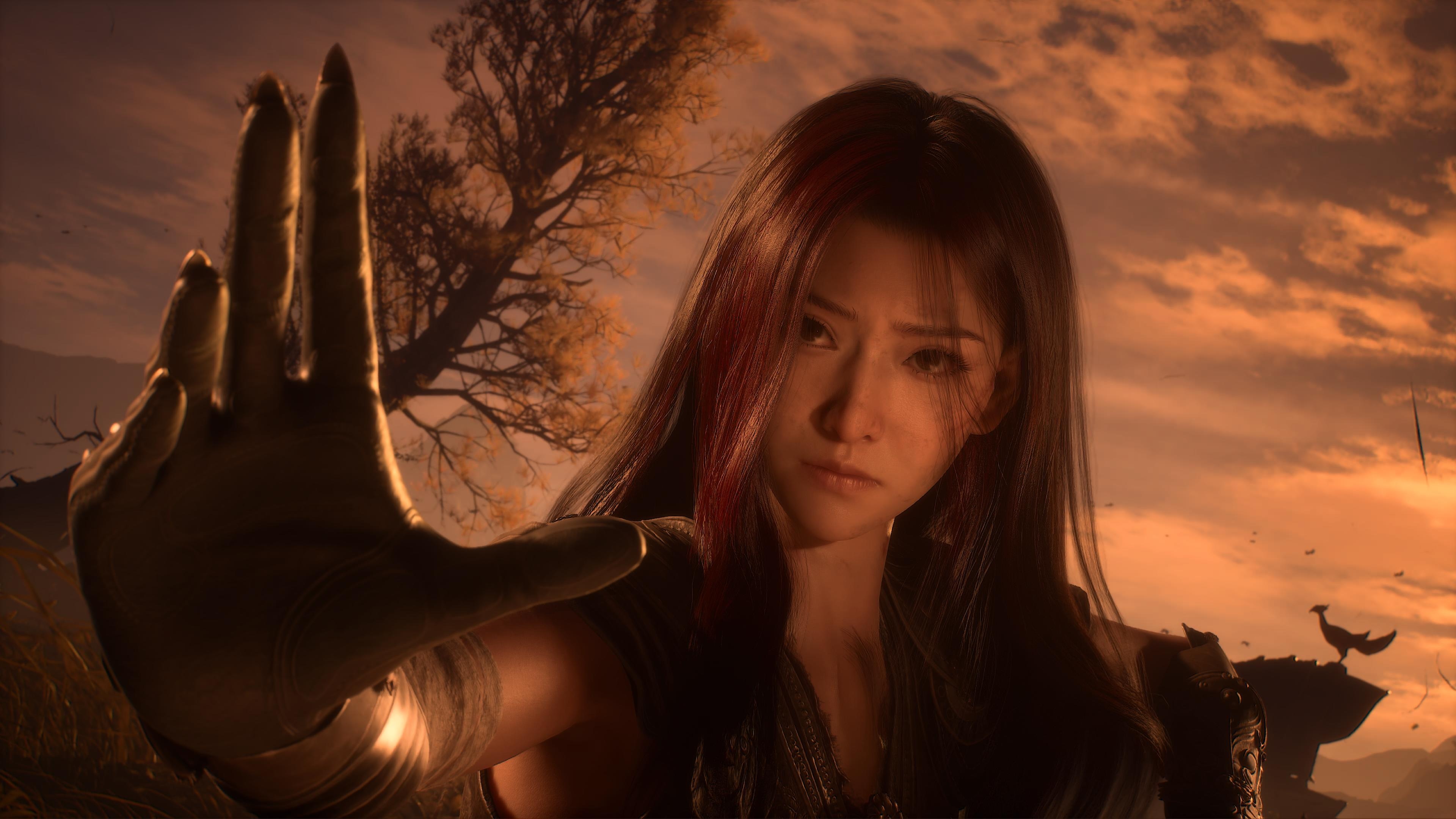
From a technical and artistic standpoint, Phantom Blade Zero delivers several visually striking moments. The aesthetic identity developed by S-GAME represents one of the production’s most successful aspects, particularly thanks to the combination of Chinese tradition, steampunk atmospheres, and esoteric elements.
Some environments truly leave a mark, offering evocative glimpses and richly detailed scenes. Not all areas, however, reach the same level of quality. Certain parts of the map feel less inspired, with rather generic settings and a lower level of attention compared to the more spectacular zones.
Certain natural elements, such as streams and waterfalls, do not fully convince and appear less polished compared to the rest of the visual scope.
The real spectacle, however, unfolds during the fights. The animations of Soul are extremely detailed and turn every encounter into a cinematic choreography. Even the simplest attacks are accompanied by acrobatic movements and staged sequences, further enhancing the action identity of the title.
The particle effects, however, can sometimes be excessive and risk making certain battles particularly confusing. During more intense confrontations, the sheer number of elements on screen can indeed compromise the clarity of action, making it harder to precisely track enemies’ movements.
The sound design also features several interesting aspects. The audio effects of weapons and combat are generally convincing and complement the animations well, while some enemy lines come across as rather generic and hard to remember.
The soundtrack instead proposes a particular fusion between traditional Eastern instruments and modern sounds. In some instances, especially during certain boss fights, electronic basses are even introduced, creating a rather stark contrast with the setting. A choice that may not please everyone, but which still manages to convey a good amount of energy during battles.
Overall, the art direction is one of the strengths of Phantom Blade Zero. Not all environments reach the same level of quality, and some technical aspects could have warranted more attention, but S-GAME’s work still stands out thanks to a particularly captivating and distinctive visual identity.
A technical area to refine on PC
On the optimisation front, Phantom Blade Zero presents some important differences between platforms. On PlayStation 5 three graphics modes are available: Resolution, Balanced, and Performance.
My advice is to use the latter, especially given the nature of the combat system. Maintaining a target of 60 FPS is particularly important in a title that demands timing and precision for perfect parries and dodges.
The Performance mode is therefore the most suitable choice, as the visual compromise compared to other settings does not appear particularly detrimental. Some details are inevitably sacrificed, but this is a concession widely justified by the increased fluidity of action.
On PC, the situation is slightly different. Even with a high-end configuration, I encountered some instances of stuttering, which I hope future updates will resolve. It’s a rather annoying issue, especially given how crucial responsiveness is during combat.
The overall impression is that S-GAME has not always given equal attention to the various production elements. Some sequences and settings appear particularly well-crafted, while others show some uncertainty, especially in secondary areas and less significant environmental details.
Even the management of particle effects, sometimes excessively abundant, contributes to making the experience less uniform. We are not necessarily talking about issues of such magnitude as to compromise the entire adventure, but they are nonetheless aspects that prevent the technical side from consistently reaching a high-quality standard.
In short, Phantom Blade Zero delivers a visually impressive spectacle, backed by a richly distinctive art direction. On PC, however, further work would be needed to ensure a more stable and polished experience.
An adventure that leaves a mark, despite a few flaws
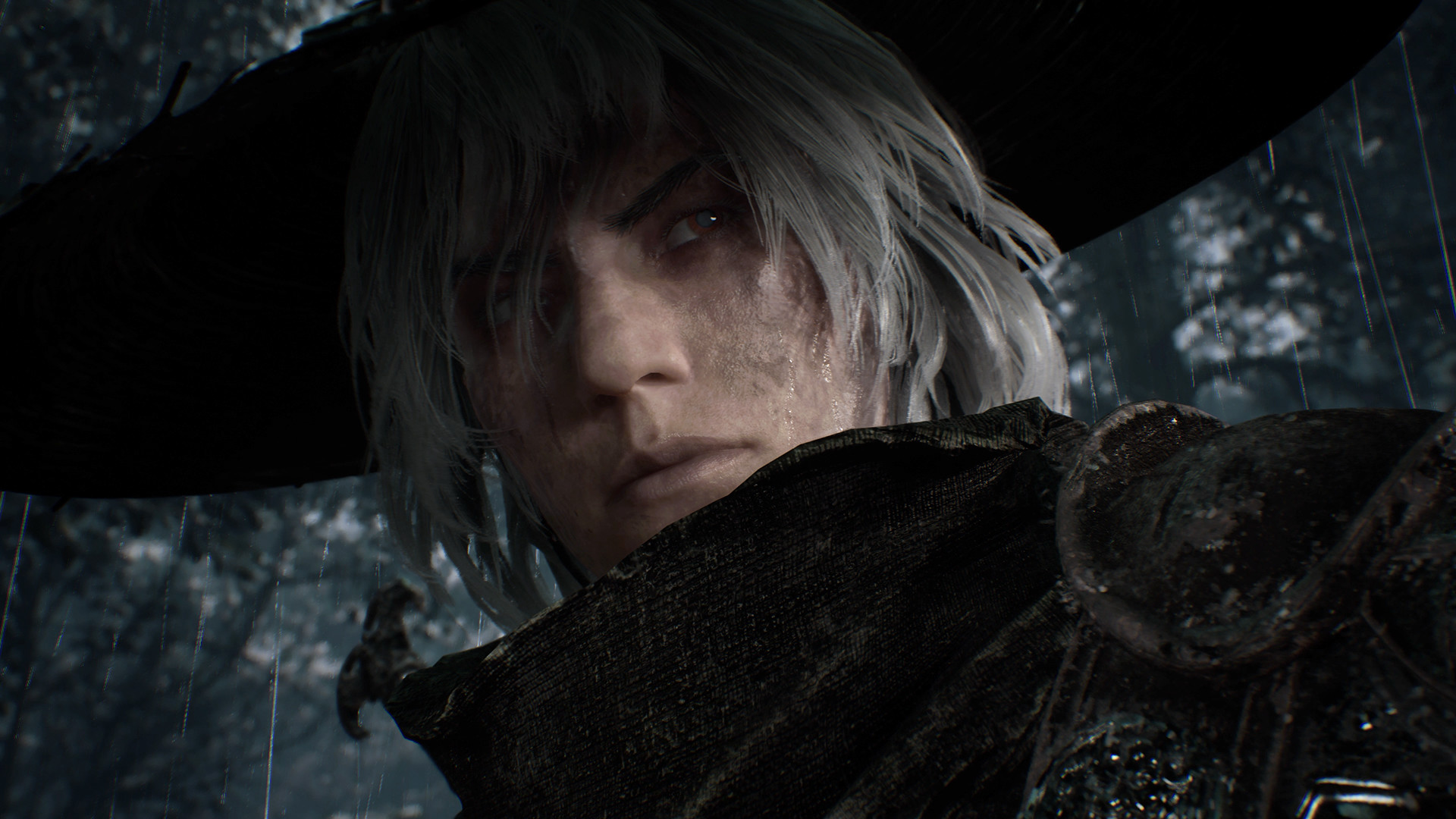
Phantom Blade Zero is an action RPG distinguished by a spectacular combat system, a richly characterful art direction, and a world inspired by wuxia tradition. S-GAME has crafted an experience capable of delivering truly memorable battles, especially during boss fights, where mastering dodges, parries, and special abilities is essential.
Not everything, however, works perfectly. Exploration isn't always inspiring, some mechanics turn out rather simple, and the technical side—especially on PC—would benefit from further refinement. Even particle effects management and reaction to hits can make certain fights less clear than we’d hope.
Despite these flaws, Phantom Blade Zero remains an adventure worth experiencing, especially for those who enjoy fast-paced action and challenging combat. It won’t be a perfect experience, but the quality of its combat system and the personality of its world leave a mark.
About the Author