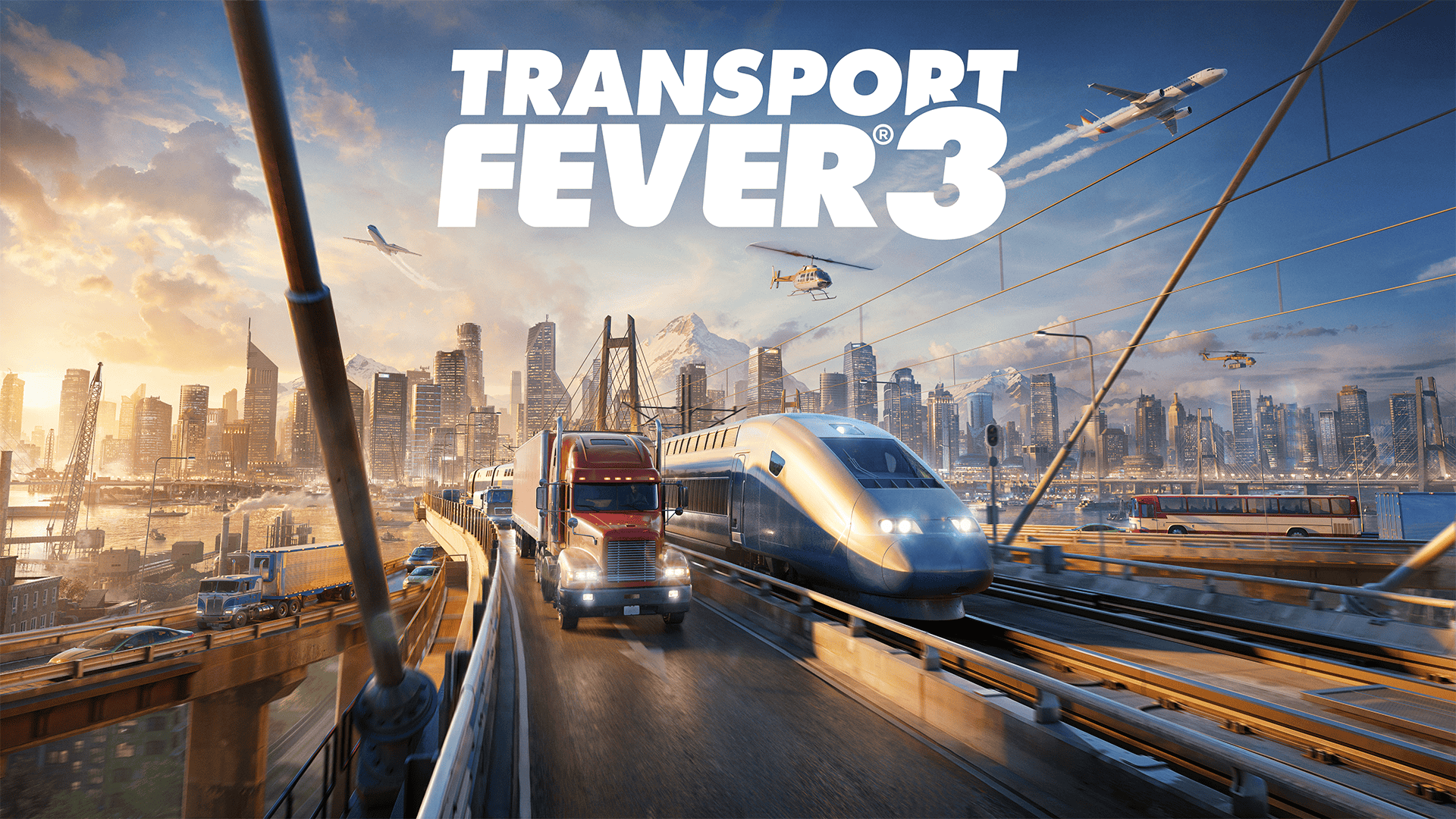
I still remember when, during the height of the pandemic, I first dedicated myself to reviewing one of the longest-running and most debated management games in the video game world. Today, after five years, here I am to talk about the next chapter.
Transport Fever 3 arrives with the ambition of picking up the legacy of the previous chapters and further expanding the management formula proposed by Urban Games. New economic systems, greater attention to production chains, richer environments, and a simulation that seeks to make the game world even more alive. On paper, the ingredients for a new successful chapter seem to be all there.
But will it really be like that? ... let’s find out together.
A tool that wants to explain everything
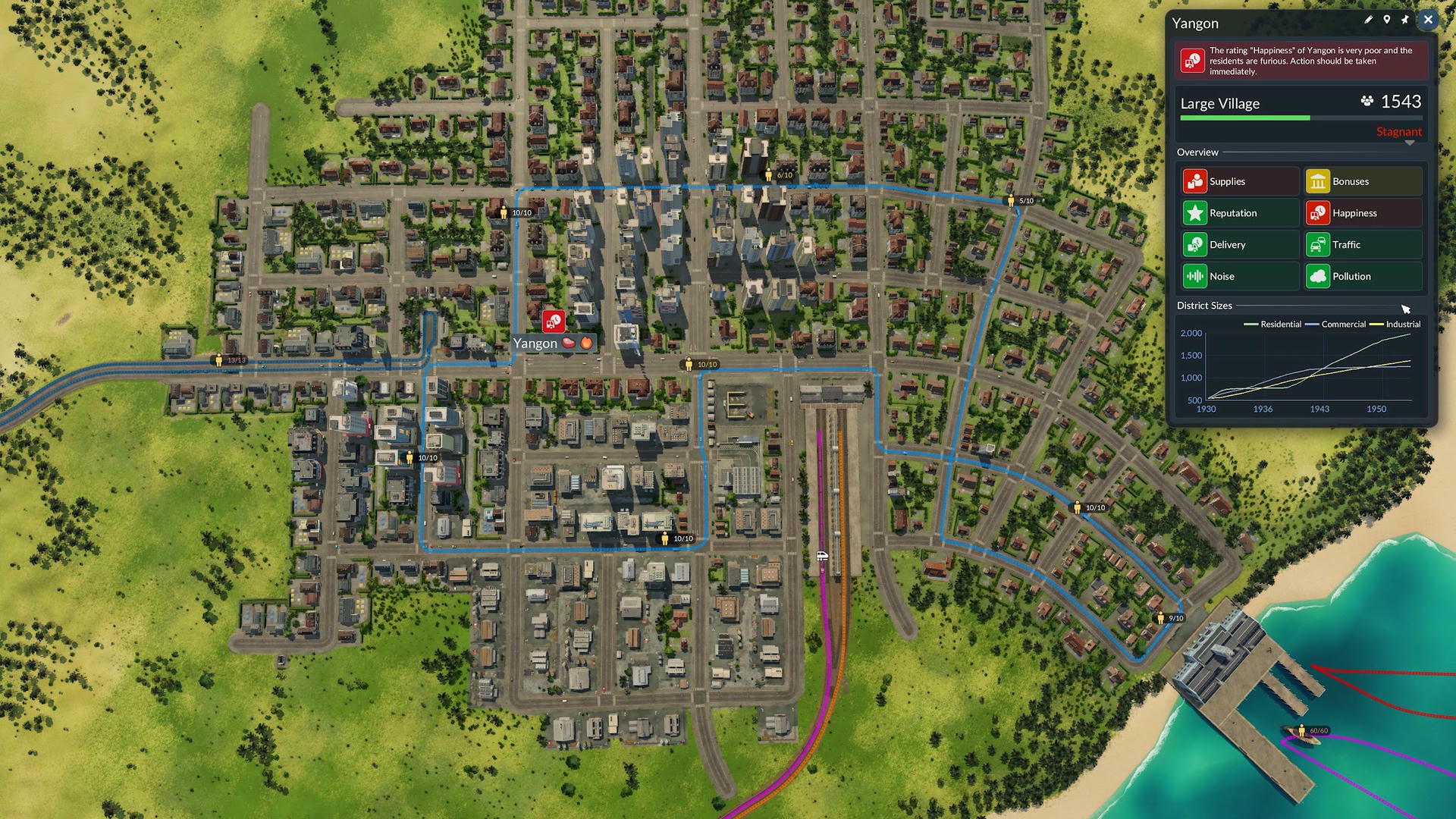
The first impression with Transport Fever 3 inevitably comes from the campaign, which should guide the player through the discovery of various mechanics. The problem is that this guidance, at least for me, quickly becomes an overly intrusive tutorial.
The game appears to aim to explain every single step, guiding the player through tutorials and instructions that constantly mark the early phases of the experience. A choice likely intended to make a rich system of elements to manage accessible, but which ultimately conveys a sense of excessive rigidity.
The interface doesn’t help much. Not always intuitive, it often requires pausing to find the necessary information and figure out which operation to perform. The result is an experience in which the player is constantly guided, but not necessarily given the opportunity to understand and manage everything naturally.
A manager should leave room for experimentation, allow learning through one’s own choices, and provide satisfaction when building an efficient system. In Transport Fever 3, however, this freedom is often sacrificed in favour of an overly guided path.
Micro-management becomes a barrier
The real problem of Transport Fever 3 emerges when you enter the heart of the management.
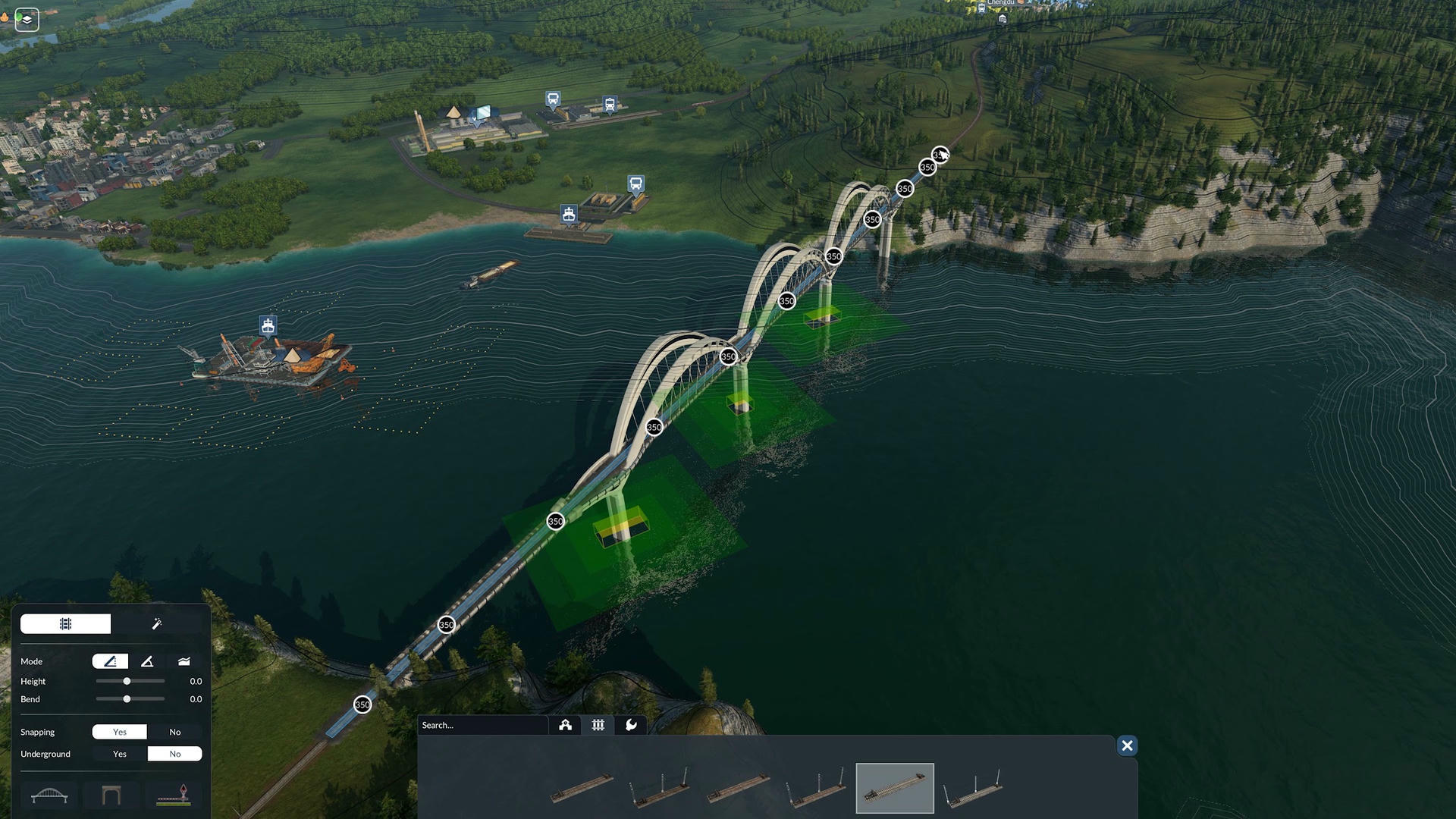
Build a transport network, connect cities, organise the movement of goods and meet the needs of industries should be the core of the experience. The game attempts to make all this deeper through a complex economic management system and greater attention to individual connections.
The result, however, is not always pleasant.
The microgestione is so pervasive it becomes, at times, more of an obstacle than an exciting component. Every operation seems to require a series of steps and checks that constantly disrupt the flow. One doesn’t always feel like building and expanding a transport network, but rather that one must constantly intervene on individual elements to make a system that should be more intuitive function.
This is compounded by the sluggish pace of time passing, one of the aspects I found most frustrating. It can happen that you complete a request and must wait several minutes for the delivery to be actually fulfilled, with nothing truly meaningful to do in the meantime.
It’s moments when the experience completely loses its own pace. The feeling is that you have to wait for the game to unfold, rather than being constantly involved in managing your own activity.
Complexity in a management system is not necessarily a flaw. Indeed, it is often precisely what makes the genre interesting. But when the time required to complete an operation and the number of required interventions become excessive, the line between depth and boredom is easily crossed.
A campaign too heavily guided
The campaign represents another element that I was not able to appreciate particularly.
The missions are structured to guide the player through the various options offered by the title, but the path feels too heavily scripted. Rather than giving the impression of managing a transport company freely, one often feels compelled to follow a predetermined sequence of instructions and objectives.
It's true that the campaign is presented as a tool to gradually introduce the mechanics, but this doesn't necessarily mean it must become such a rigid progression.
I also tried the free mode, which should represent the ideal setting for those who want to build and manage their own network without being bound by the campaign’s objectives. However, it didn’t convince me to change my view on the overall gameplay structure.
The problem, in fact, concerns not only the missions but a conception of the experience that continues to demand a level of attention and intervention that, over time, ends up exhausting.
But what is Transport Fever’s true identity?
By this point, I asked myself: what is the real goal of Transport Fever 3?
The series begins with a clear identity: that of a dedicated transport management tool. A concept that, on paper, certainly holds its own value and can offer great satisfaction to enthusiasts of logistics, infrastructure, and planning.
Yet, during my sessions, I found myself repeatedly asking whether all these mechanics could not be integrated into a broader city builder, rather than serving as the core of an experience built exclusively around transporting people and goods.
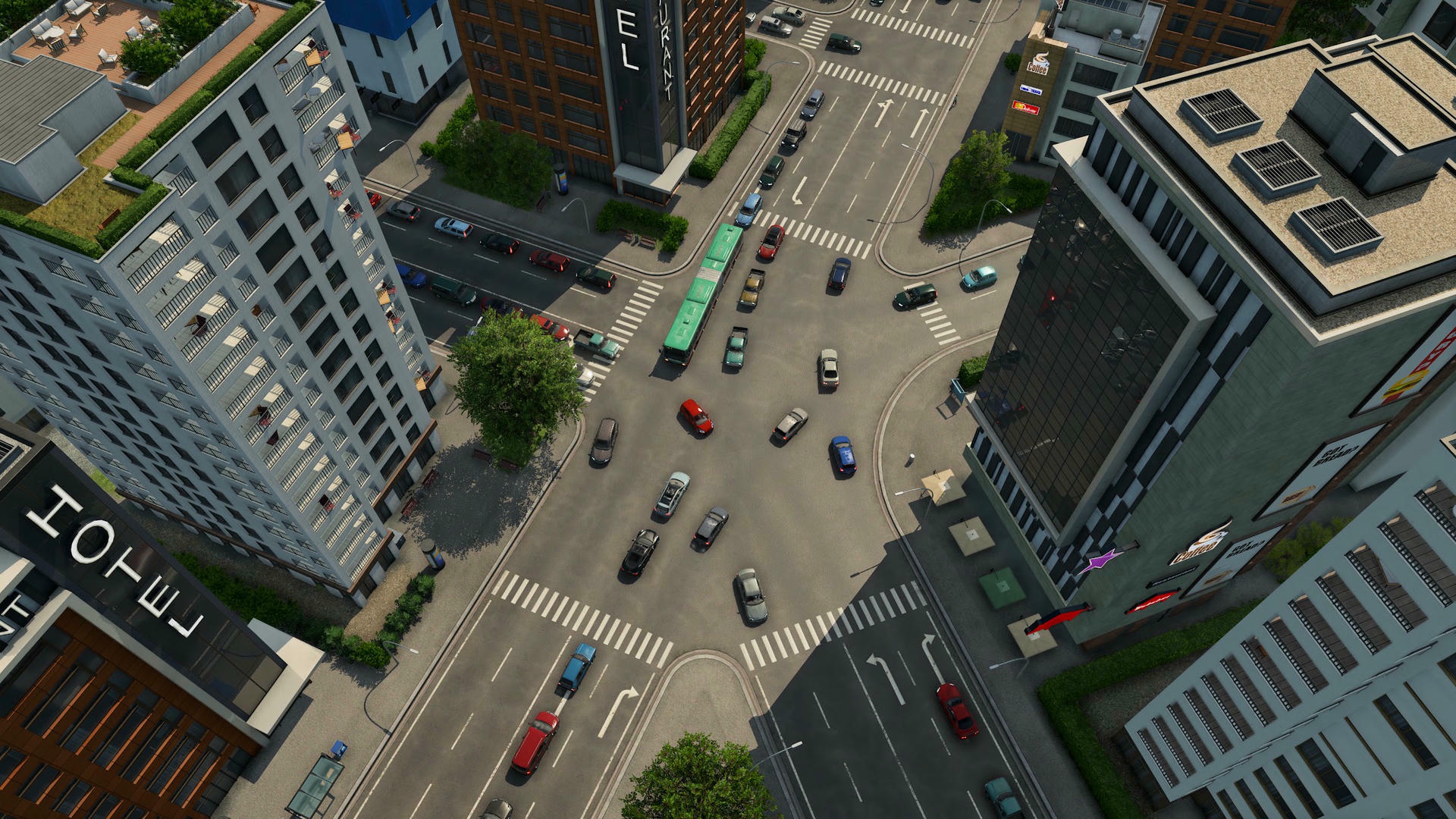
It’s a personal consideration, naturally, but it arises from the feeling of having to spend an excessive amount of time managing individual connections, without always being able to perceive a satisfying evolution of the world I’m building.
The problem is not therefore the presence of so many mechanics, but the way they are combined. What should be a system capable of stimulating creativity and planning ends, at least for me, up as a collection of repetitive activities and occasionally stressful ones.
It makes the picture even more complicated because there are some issues related to vehicle behaviour and route management. The pathfinding doesn't always return coherent results and the artificial intelligence can display unconvincing behaviour, elements that, in a title built around transport organisation, end up weighing on the overall experience.
A graphics department that convinces
If there’s one aspect of Transport Fever 3 that truly deserves praise, it’s the graphics.
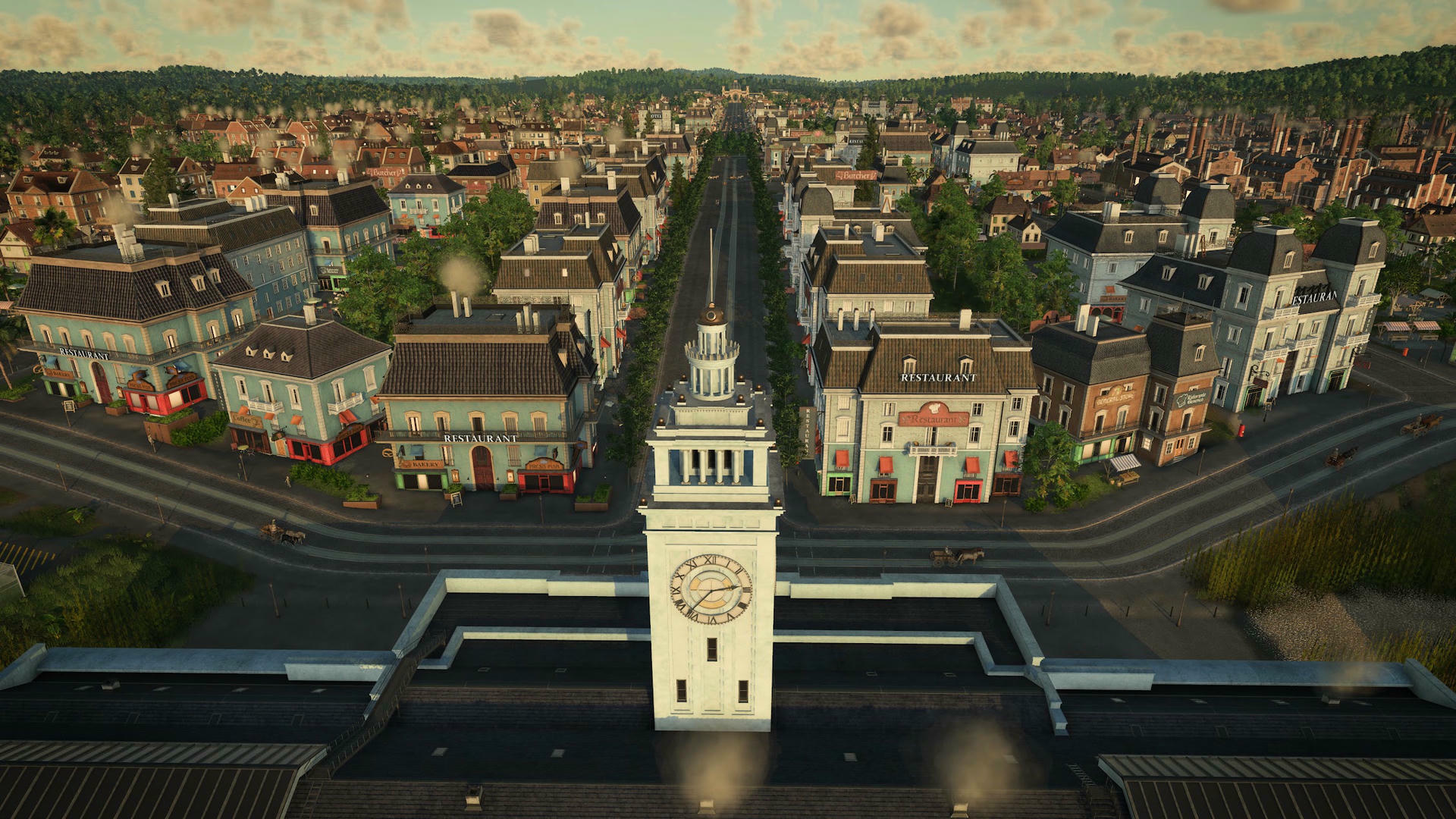
This time again, Urban Games demonstrates a particular attention to the representation of the game world. The environments are well-crafted, the cities convey a strong sense of vitality, and the transportation vehicles are rendered with a notable level of detail.
The pleasure of watching a train cross a landscape, following a train along a railway line, or admiring a city from above remains one of the most successful elements of the production.
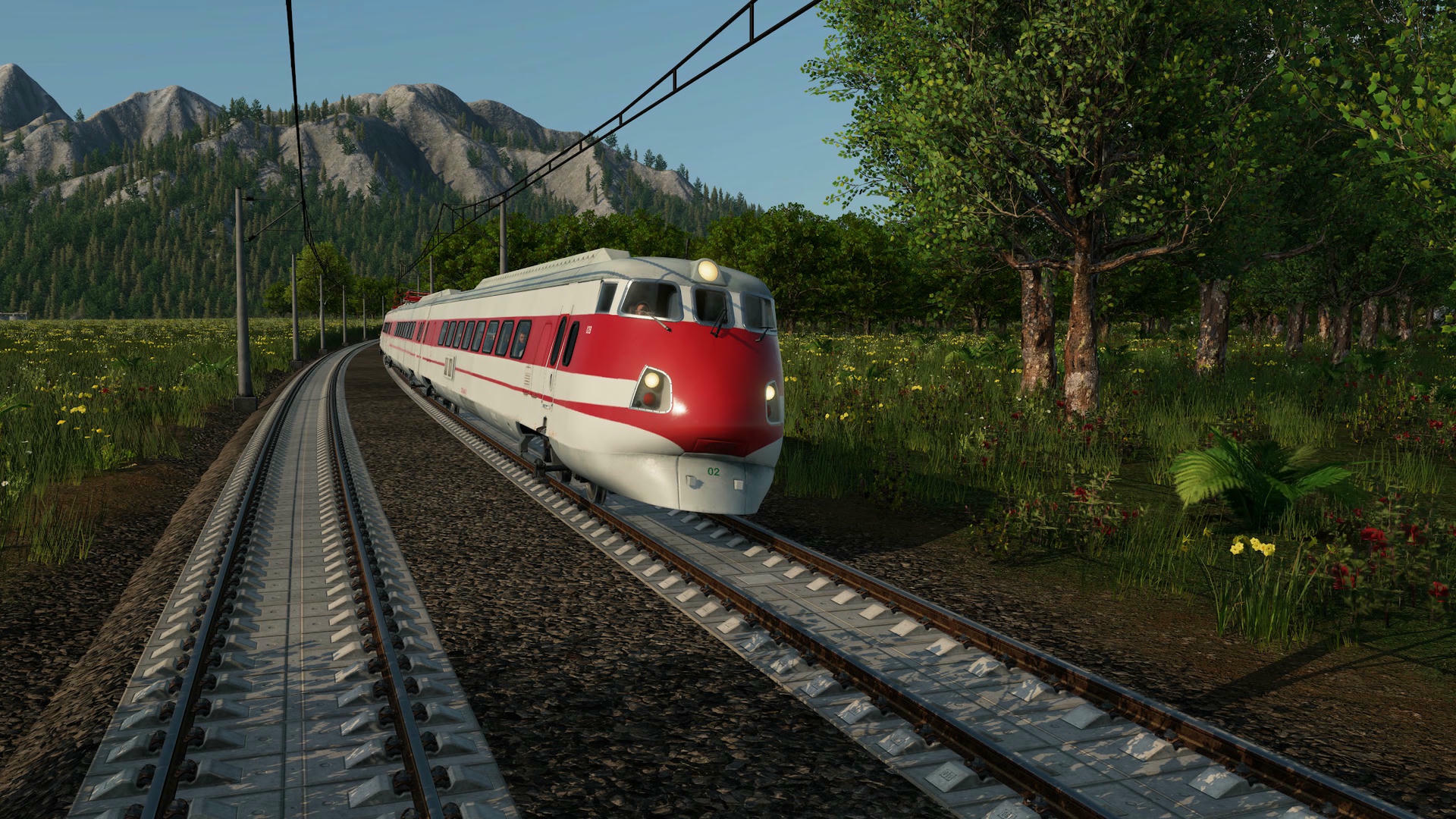
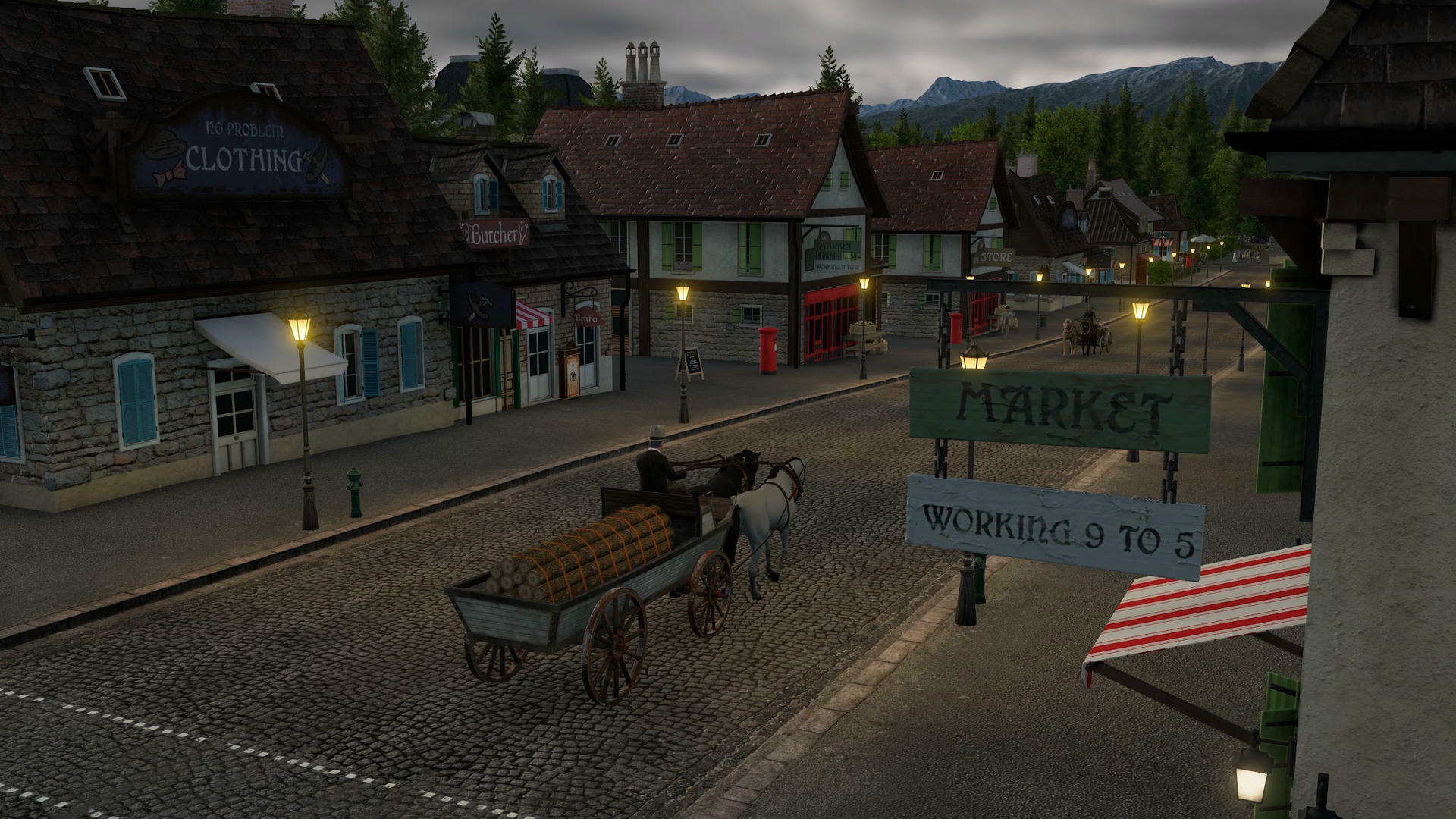
To enhance the visual presentation, we also have the day-night cycle and the dynamic weather conditions, which allow environments to change appearance and provide greater variety to the maps.
The attention to model design, lighting, and overall scene rendering demonstrates the effort invested in this area. Even the various climatic environments contribute to making matches distinct and enjoyable for exploring the maps.
It’s a job that deserves recognition, but this time it’s not enough. While it’s pleasant to observe the gaming world, the visual representation quality fails to offset a management experience I found unengaging.
Shared audio and performance
The audio component performs its function without, at least on paper, managing to leave an equally strong impression compared to the visual component. The soundtrack accompanies management activities, while sound effects contribute to recreating the atmosphere of a world constantly traversed by trains, buses, and other transport modes. However, no particular sonic element emerges that stands out or becomes one of the production’s key strengths.
On the technical front, Transport Fever 3 presents some issues that warrant attention. Simulating particularly complex networks can put performance under strain, especially when the number of vehicles, connections, and concurrent activities increases. The behaviour of vehicles and the automatic routing system do not always perform flawlessly.
These are particularly important aspects in a management system of this type, because the stability and reliability of the simulation represent fundamental elements for ensuring a satisfactory experience.
A sequel that didn’t convince me
The comparison with Transport Fever 2 is unavoidable. From a new chapter, one expects an evolution, not necessarily a revolution, but at least a noticeable improvement in the overall experience.
In this case, despite the new features introduced and the work done on the visual aspect, I haven’t found a sufficiently convincing reason to consider Transport Fever 3 a step forward from the perspective of fun.
The new mechanics and greater management depth can certainly represent an added value for those who enjoy dedicating themselves to every single aspect of their transport network. For me, however, this same approach has ultimately added weight to an already highly demanding experience.
The result is a chapter that, despite presenting a convincing visual design, fails to convey the sense of evolution I would have expected from a new installment in the series.
Conclusions
Transport Fever 3 is a title that, at least in intent, seeks to expand and deepen a formula already known. The graphics are well-crafted, the settings are pleasant, and the variety of transport vehicles continues to represent a major point of interest.
Unfortunately, all of this wasn't enough to win me over.
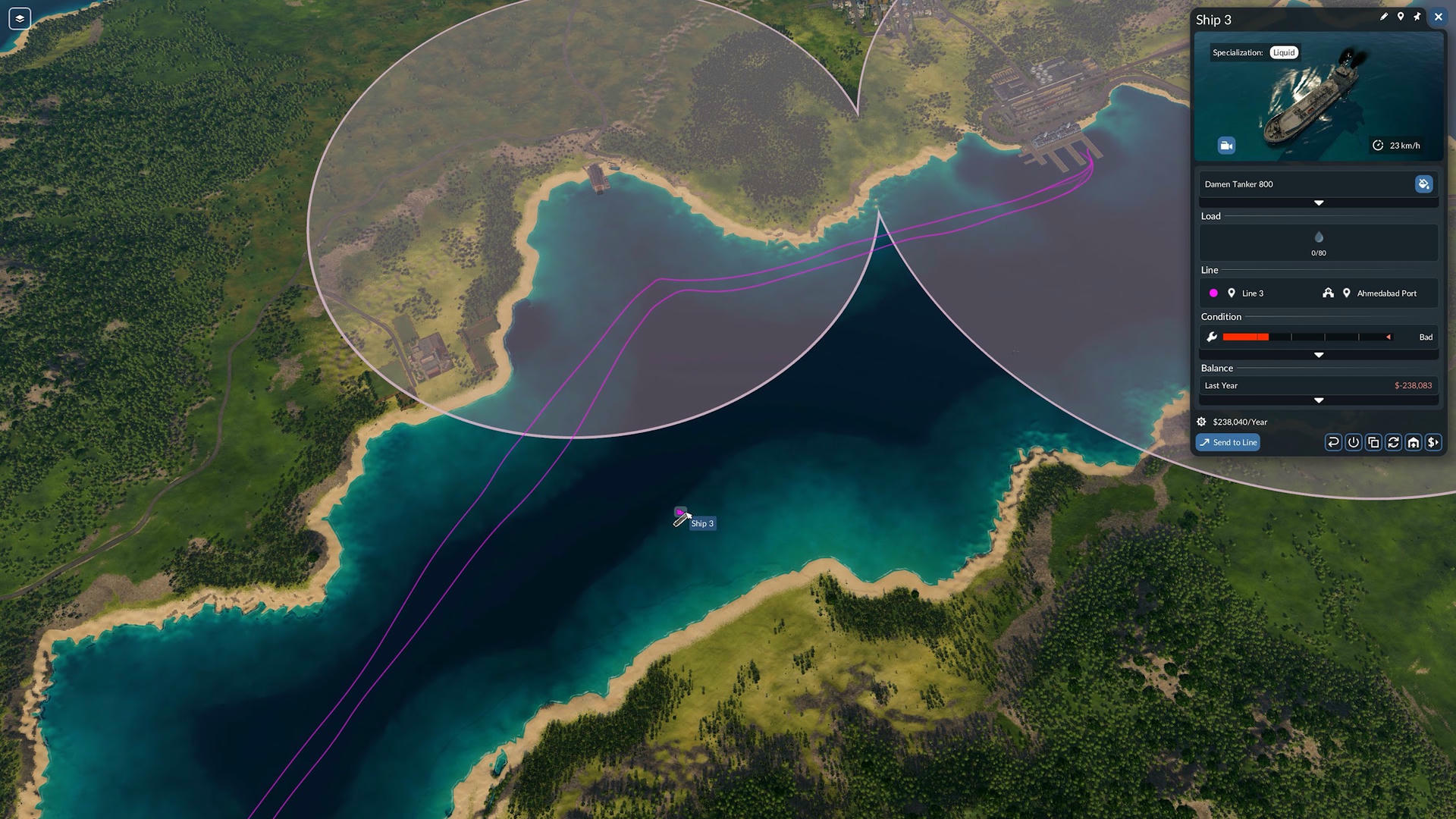
The excessive micromanagement, an unintuitive interface, overly persistent tutorials, an excessively guided campaign, and above all a gameplay pace I found slow and often frustrating have compromised my experience.
I don't dispute that there may be an audience capable of appreciating such a detailed simulation. Those who enjoy spending a lot of time planning individual routes, optimising resources, and meticulously managing every connection might find Transport Fever 3 an interesting product.
But for me, the result is a management tool that too often forgets it also needs to entertain.
Compared to the previous chapter, I expected a more convincing evolution and, above all, an experience capable of making managing one’s transport network more enjoyable.
Transport Fever 3 is a missed opportunity: pretty to look at, much less fun to play.
About the Author