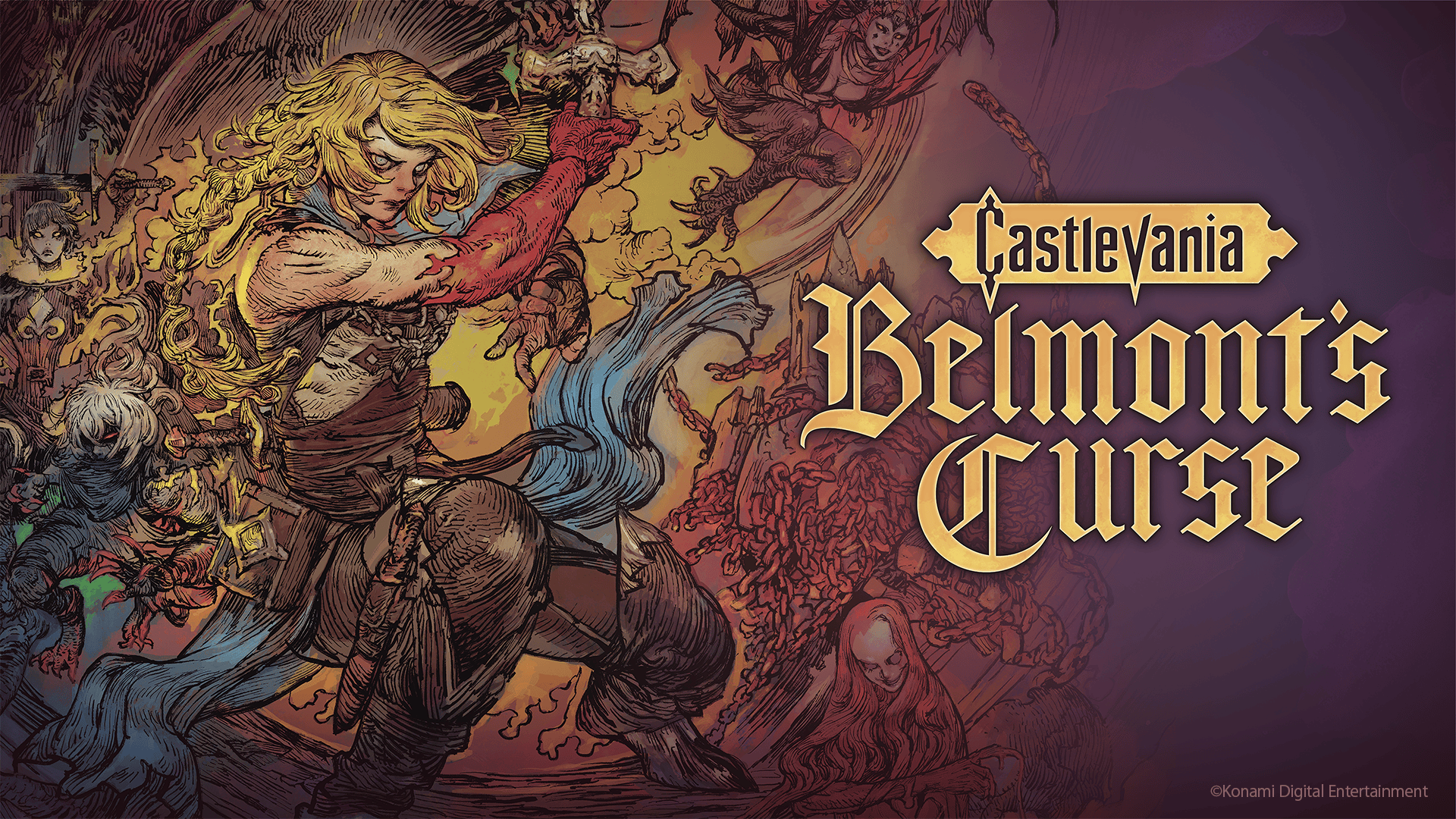
I should mention that Castlevania: Belmont's Curse is the first chapter of the saga I’m tackling. I’ve always heard about it, but never got the chance to play one. I’ve always loved the metroidvania genre, from Hollow Knight to Blasphemous, through Dead Cells and many others, so it seemed fitting to revisit one of the names that helped shape the genre.
For those unfamiliar with the saga, here’s a quick recap: Castlevania was born in 1986 and built its own imaginary world around the conflict between the Belmont family — a dynasty of vampire hunters — and Dracula, master of the shadows. Over the centuries, the Belmonts have faced demonic creatures, explored haunted castles, and tried to prevent evil from once again threatening humanity. Dracula’s castle is one of the series’ most recognizable elements: a dark, labyrinthine fortress inhabited by monsters inspired by Gothic tradition and folklore. At the heart of the combat is often the Vampire Killer, the legendary whip of the Belmont family, which has become the saga’s very symbol. But it’s not just about vampires. Family legacies, sacrifices, and battles recurring across generations are also mentioned.
For forty years, the name Castlevania has been synonymous with cursed castles, monstrous creatures, and vampire hunters ready to face the darkness. A formula that has helped define an entire genre and which, despite the passage of time, continues to exert a particular allure on fans. After a long absence from fresh 2D adventures, Konami brings its iconic saga back to life with Castlevania: Belmont's Curse, entrusting the project to Evil Empire. The goal is to revive the series’ roots while simultaneously introducing new ideas to make the experience suitable for today’s players.
Dracula can be defeated, but the evil he represents seems destined to return...
This content is provided by YouTube. To view it, you must allow external content. Activation may result in data being shared with the third party.
The Belmont Legacy
The story takes us to Paris in 1499, twenty-three years after the events of Castlevania III: Dracula's Curse. The city is submerged in chaos, invaded by demonic creatures, and Trevor Belmont is once again called to fight the forces of darkness. By his side is Rose, his daughter, destined to shoulder the fate of her own lineage and to discover that the threat looming over the capital conceals something far greater than a simple invasion.

Through the streets of a Paris now engulfed in chaos, Belmont's Curse entrusts us with the task of collecting the Belmont legacy and confronting the forces that threaten humanity once again. But after so many years and with a genre in constant evolution, is the return of the Belmont truly up to their legend?
The Hunter’s Craft
The gameplay of Castlevania: Belmont’s Curse builds on the classic foundations of the series, enhancing them with greater emphasis on mobility and action. The whip, a symbol of the Belmont family, becomes a fundamental tool during exploration, allowing players to latch onto specific handholds and launch themselves through environments. A mechanic that adds dynamism to platforming stages, featuring calculated jumps, traps to avoid, and passages requiring a certain level of precision.
Fights offer intense and dynamic confrontations, where knowing your opponents’ attacks and choosing the right approach can make all the difference. Rose has access to several categories of weapons, each with unique characteristics, alongside the Arcani, magical abilities that expand offensive options. This variety allows players to tailor their playstyle to different situations, though not all mechanics are essential, and some players may end up relying primarily on the most effective options.
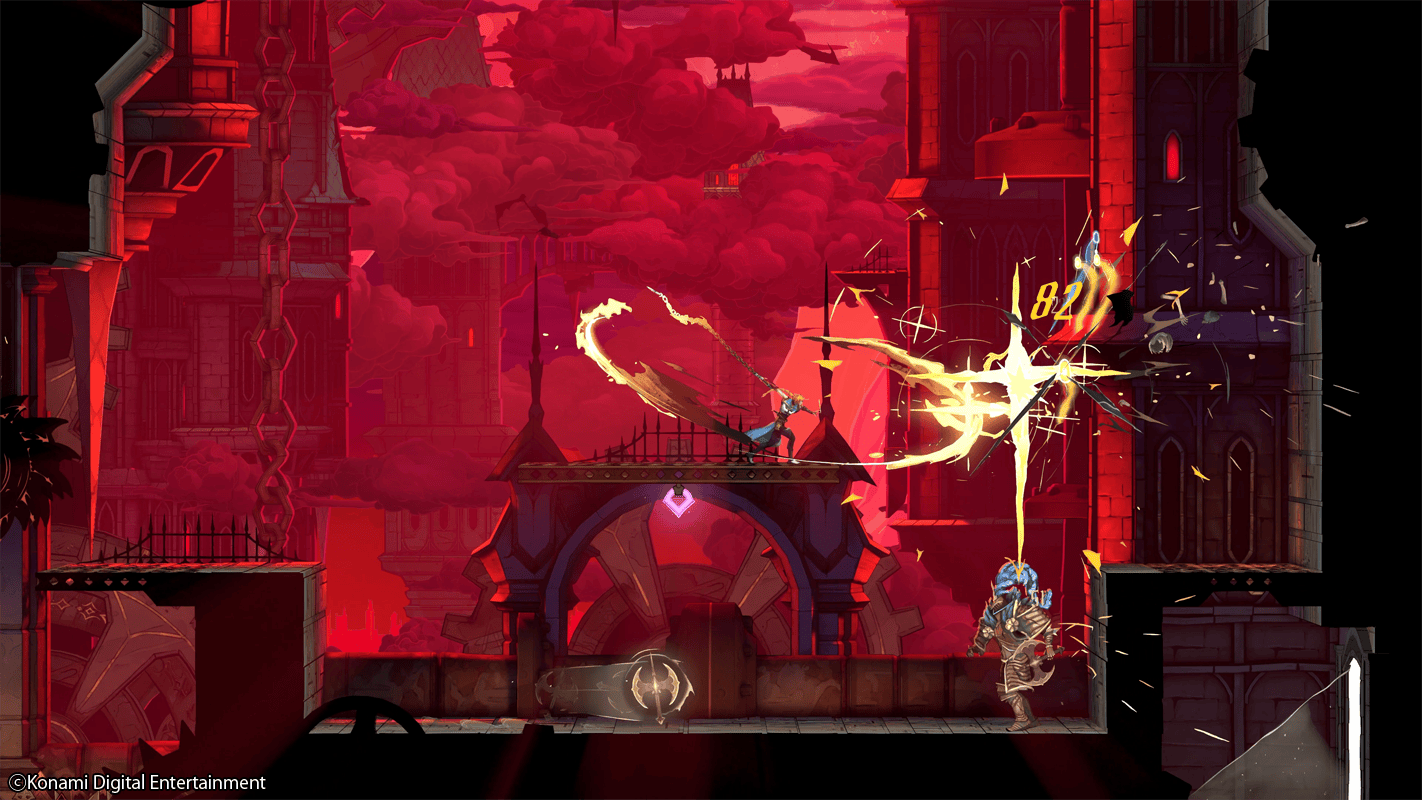
The difficulty is another key element of the experience: enemies can deal significant damage, and boss fights require attention, timing, and the ability to recognise their attack patterns. Nevertheless, some issues remain. The whip can sometimes be imprecise when connecting, and certain platform sections risk turning a mistake into a frustrating death. Overall, the game system offers a solid blend of action and movement, without completely abandoning its sharp edges.
Into the Darkness
One of the most successful aspects of Castlevania: Belmont’s Curse is undoubtedly the level design, which constantly invites players to observe the environments and seek alternative routes. Among the Parisian streets, catacombs, and castle rooms, each area features unique obstacles and hidden passages, with seemingly unreachable zones. Acquiring new abilities allows players to revisit their path and discover previously inaccessible routes, adding value to exploration and encouraging greater attention to every corner of the map.

To make it more interesting, there are enigmi that require interpreting the clues scattered throughout the environment. The scenarios are integral to solving the puzzles: observing a detail, connecting information, and figuring out how to proceed becomes just as important as facing enemies. This choice adds an investigative element to the classic metroidvania formula and rewards those who take the time to explore without constantly relying on a guide.
There are, of course, secrets and upgrades to discover, which make the exploration more satisfying and contribute to the protagonist’s progression. Backtracking is present, as one would expect from the genre, but the map helps orient the player and identify areas worth revisiting.
A Symphony of Beasts
The bestiario of Castlevania: Belmont’s Curse revisits numerous historic creatures from the series, including skeletons, bats, and Medusa’s heads, alongside other foes designed to hinder our protagonist’s progress. The variety of enemies helps maintain the pace of combat, though some types end up resembling each other too closely. To tackle them effectively, it is important to know how to manage distances, use weapons and abilities at your disposal, avoiding reliance solely on brute force. The true test lies in the bosses, each of whom presents a clearly defined identity, featuring evocative creatures deeply rooted in the gothic imagination. Fights succeed in conveying a certain variety, thanks also to the different attack types and the unique traits of each individual foe.
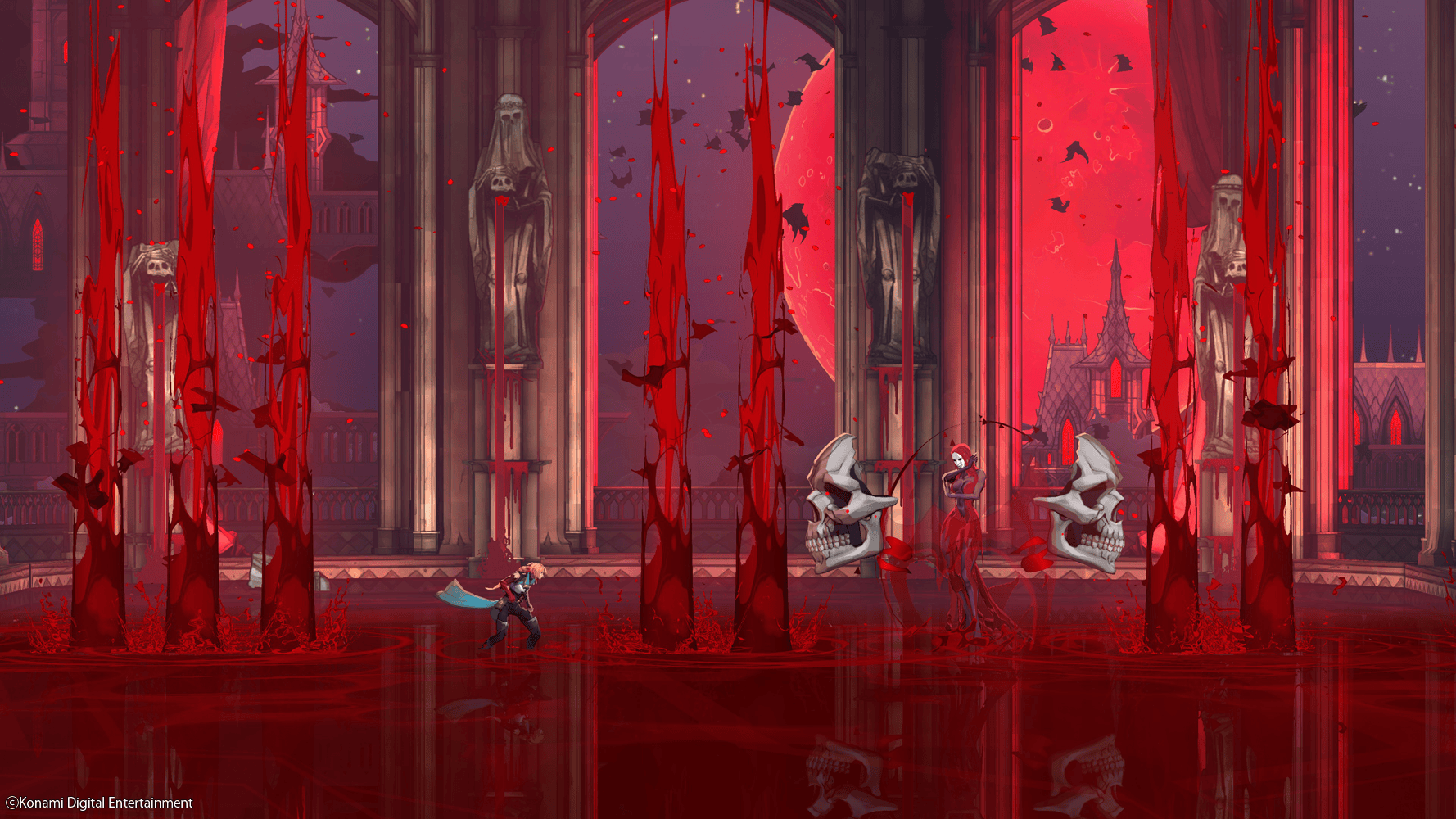
An aspect I found less convincing relates to the difficulty balancing throughout the adventure. One risks encountering a particularly powerful Rose early on, capable of facing enemies and bosses head-on, defeating them without too much difficulty and without necessarily needing to pay attention to their attack patterns. The result is a rather fluctuating difficulty curve: while early encounters may seriously challenge players, later on the sense of challenge risks diminishing significantly.
The game still allows you to customise various difficulty parameters, so as to tailor the experience to your preferences. A solution that makes the adventure more accessible without removing the satisfaction of overcoming the most challenging encounters.
Gothic Beauty
The artistic aspect is one of the elements that most impressed me in Castlevania: Belmont’s Curse. The 15th-century Paris, amid streets consumed by flames, imposing cathedrals, and districts overrun by infernal creatures, offers richly detailed and characterful settings. The aesthetic blends a 2D approach with environments that resemble illustrated artwork, giving rise to suggestive backdrops that help make each area instantly recognizable.
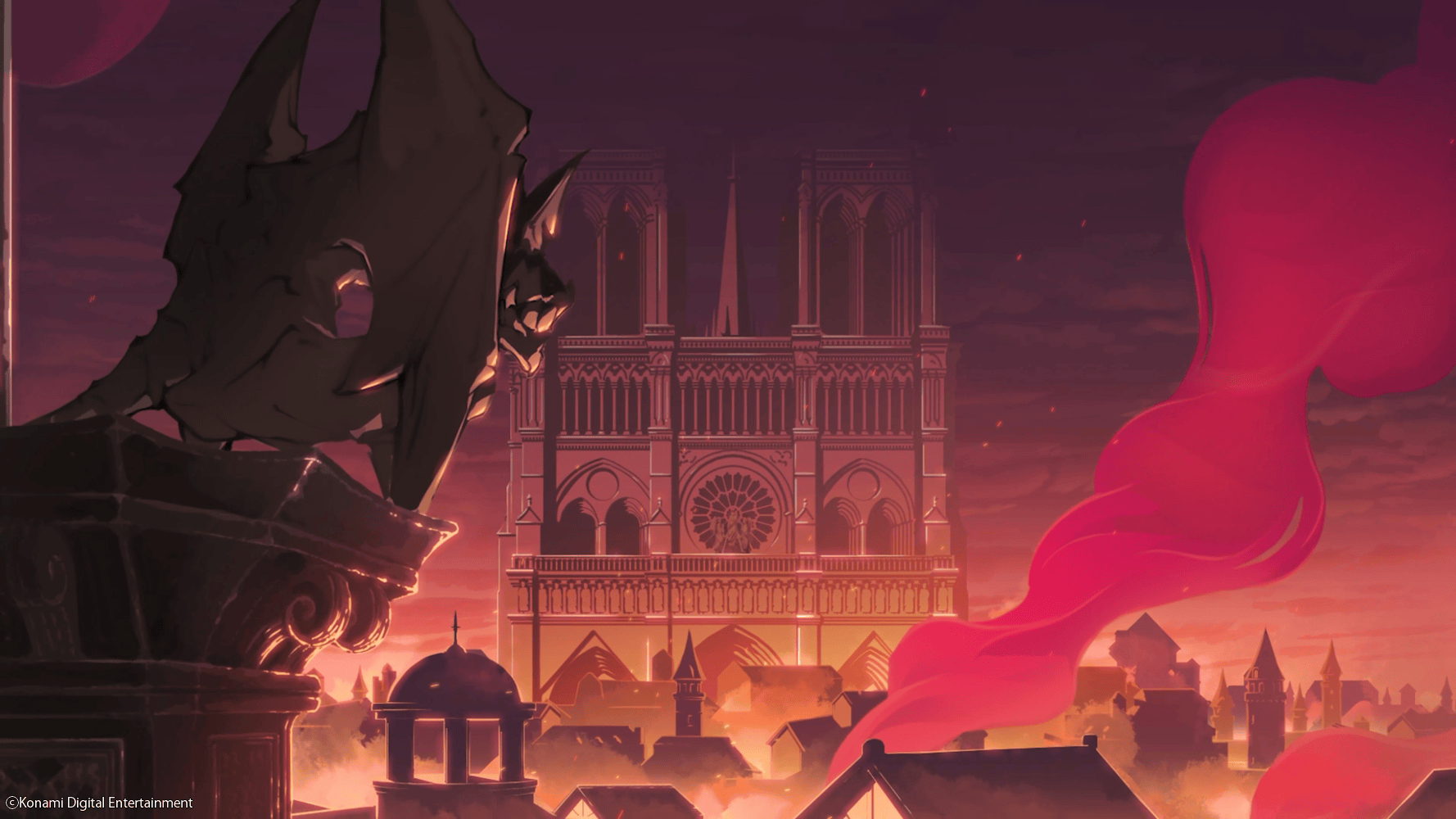
The character and creature designs fit well into the series’ imagination. The artwork is meticulous, distinctive, and consistent with the gothic atmosphere of the work. Each one possesses its own visual identity, capable of reflecting its personality and role within the story. This is complemented by a convincing voice acting, which enhances the diverse personalities through expressive performances and dialogue.
The soundtrack alternates moody, melancholic compositions with more energetic tracks, effectively accompanying exploration and combat. Musical nods to the franchise’s history are also present, reimagined to fit the new chapter.
The Hunt Continues
Castlevania: Belmont’s Curse represents a perfectly timed return for a legendary saga. Evil Empire and Motion Twin manage to recover the elements that made the Castlevania name famous, building an adventure that combines combat, exploration and platforming in a world rich with secrets and defined by a strong artistic identity. With over 30 hours of gameplay, the experience left me fully satisfied. An enjoyable and engaging adventure that I appreciated from start to finish and that I can’t wait to relive with a potential sequel.
The quality of the level design, the integration into movement, and the variety of situations presented are among its strengths. At the same time, some imprecision in the controls, inconsistent difficulty, and a narrative that could have been explored more deeply prevent the game from achieving truly memorable results across all aspects.
So, for those, like me, approaching the saga for the first time, Belmont’s Curse presents a unique opportunity to discover one of the genre’s most important names. A return that demonstrates how the Belmont legacy still has much to offer, and which, amid bright spots and a few shadows, manages to leave a mark. And if this is the Belmont curse, I truly hope no one ever finds a way to break it.
About the Author