Imagine you’re a fundamental asset for your company, with a successful career, business trips, an enviable salary, and social respect. Done? Good. Now imagine you’ve never wanted all of this, trapped in a vicious cycle of “well, life is like that” or the constant need to please parents and those around you. Things start to change, right? Success and money become the meagre reward of endless days, non-existent free time, distant relationships, and a phone that rings incessantly due to poorly educated and pressuring managers, solely focused on profit.
This content is provided by YouTube. To view it, you must allow external content. Activation may result in data being shared with the third party.
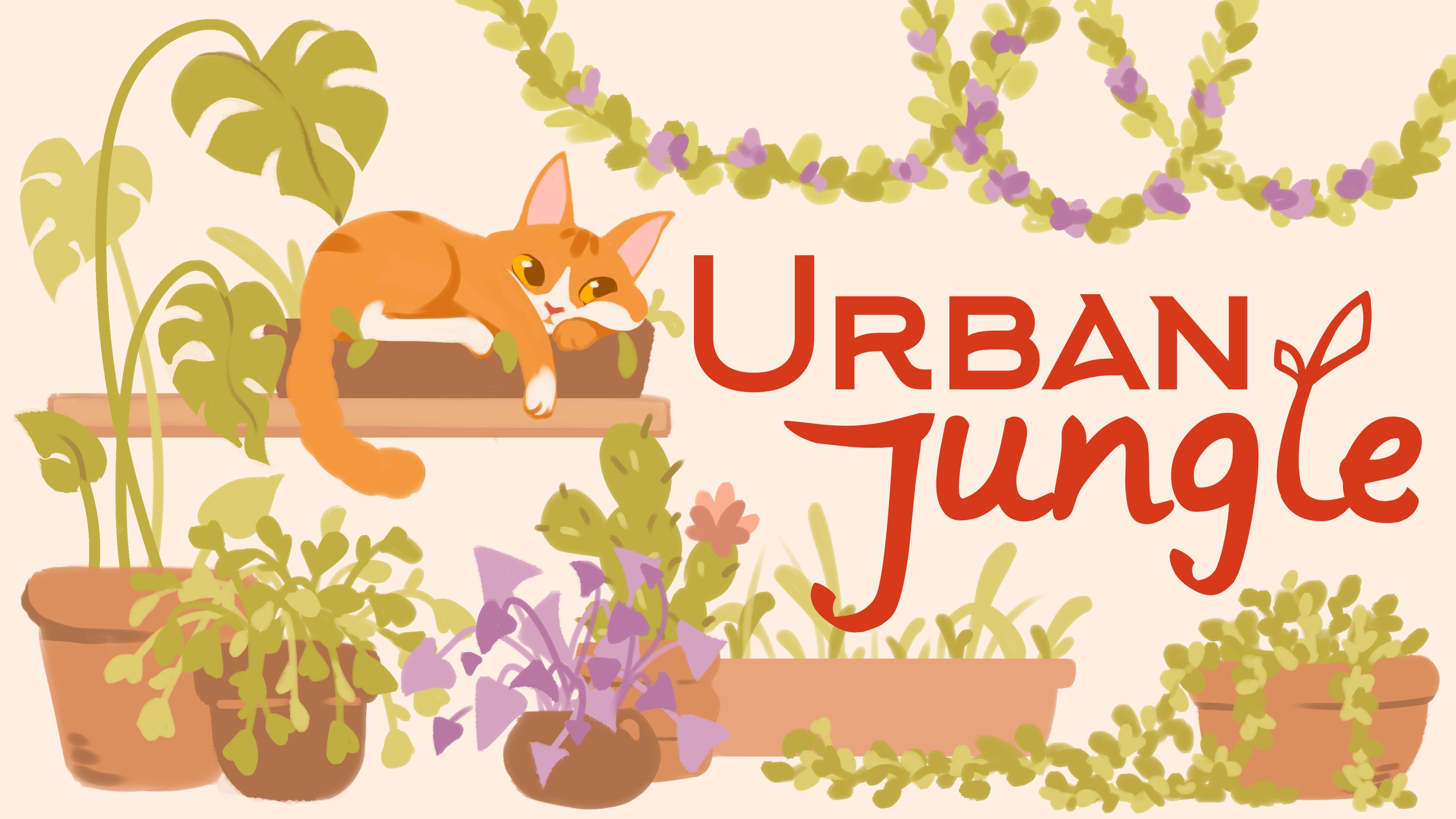
We’re not talking about today’s depressing reality, but the opening of Urban Jungle. The game begins with the end of a corporate video call. Our results are praised, the company thrives, and we should be happy... but we’re not. The grey, cold, melancholic atmosphere perfectly reflects our inner state of mind: dry, detached, drained. Fortunately, shortly after, a flashback to childhood arrives. We’re carefree, chatting with Grandma about flowers, plants, and dreams for the future. Our desire is simple and sincere: open a nursery or a flower shop. Everything becomes even more magical thanks to our orange cat, Rufus, basking in the sun with his belly out. But the idyll doesn’t last long. Our mother bursts into the scene: she’s found work abroad, and we must prepare to leave. Quickly.
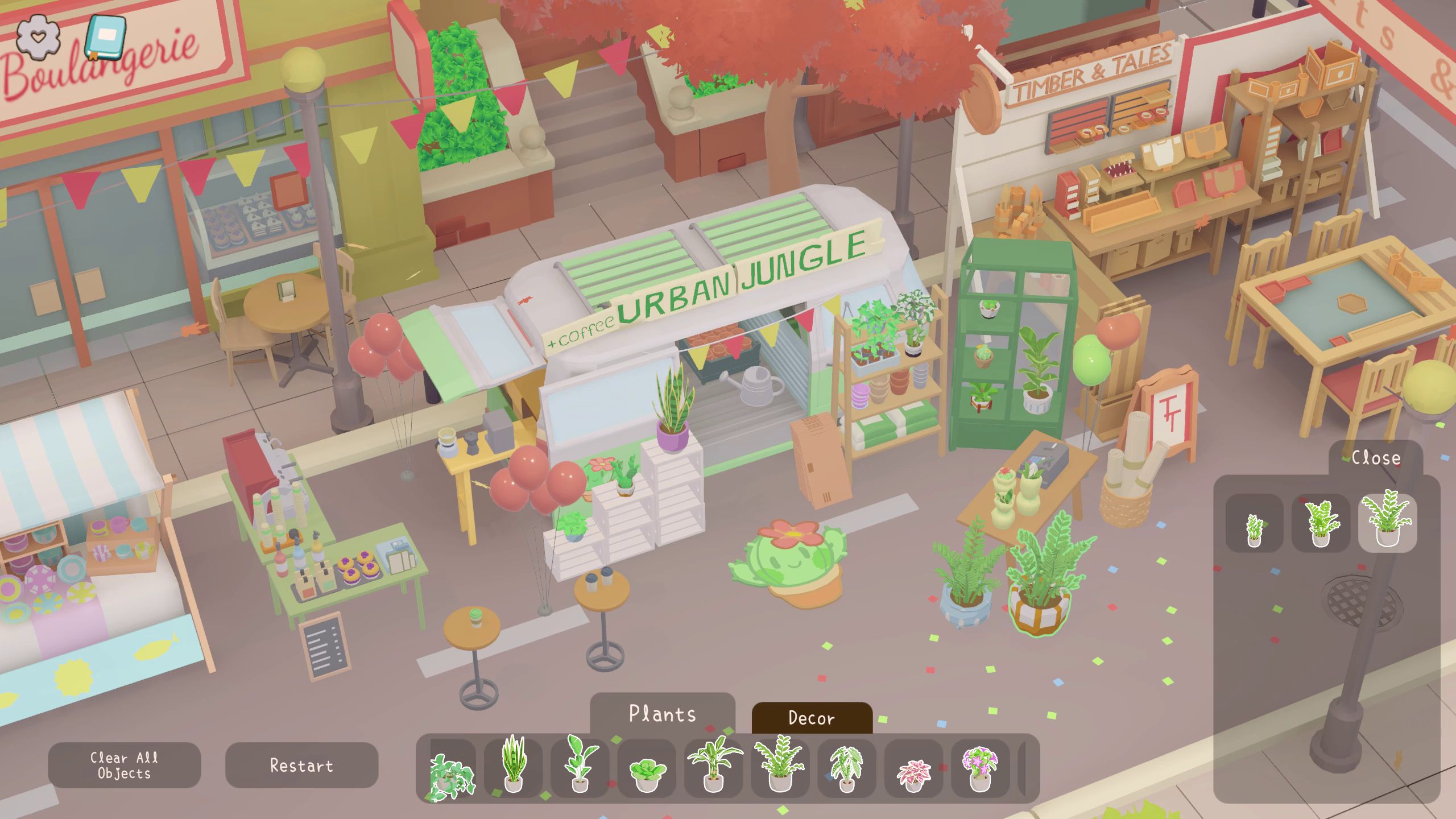
In the game, the mother and brother are two key figures. They’ll be the ones to crush our dreams, pushing us toward a job at a multinational, to “become respectable people”. We’ll constantly be compared to the children of acquaintances, labelled as failures simply because they dropped out of college. I’m holding back from telling you the rest, because Urban Jungle is a short but intense experience. I can only tell you that plants will be our guiding thread, the connection tying together the various moments of the game. Even in the darkest periods, far from Rufus and our best friend, flowers, cacti and palms will add colour and warmth to our lives.
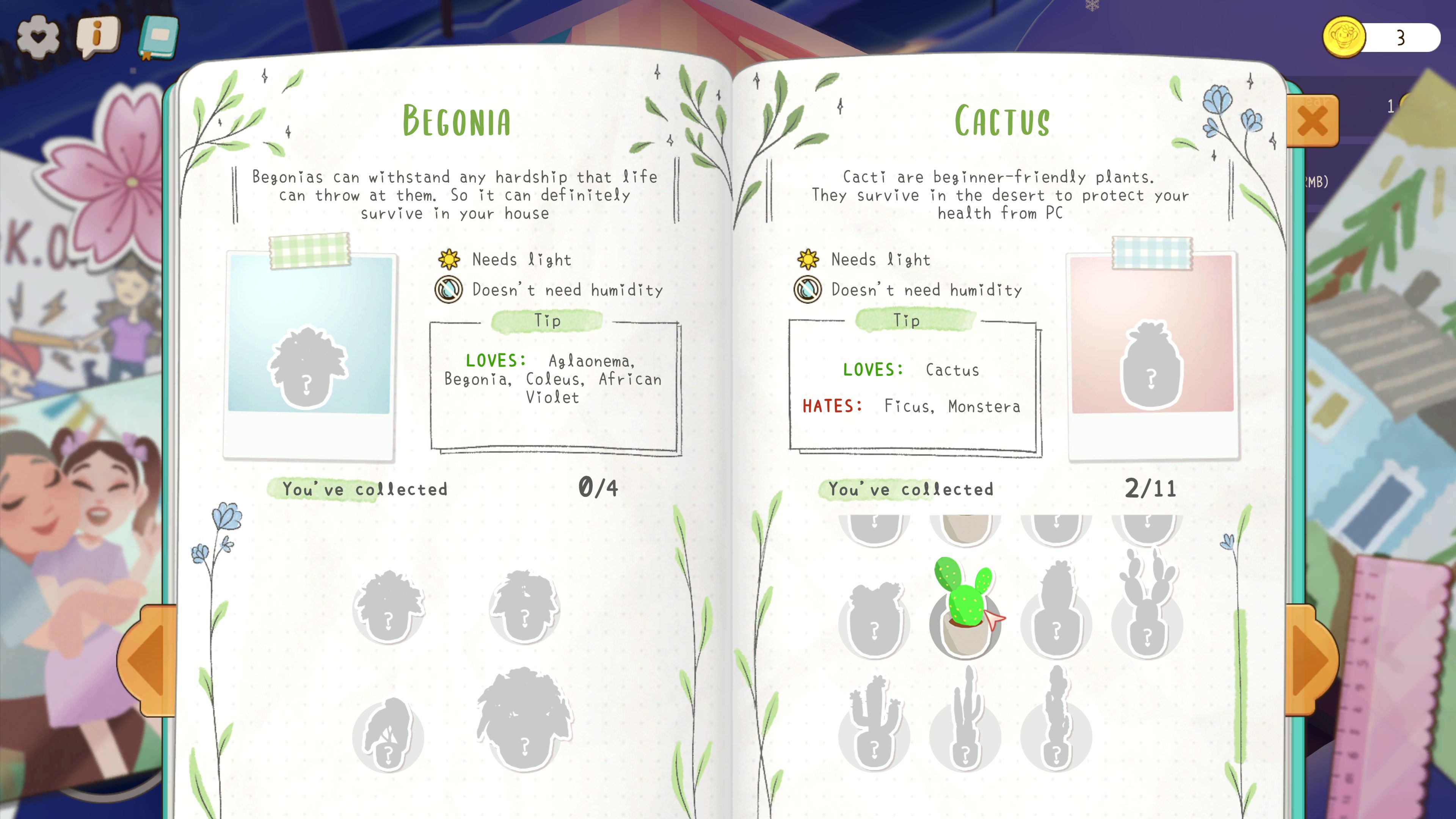
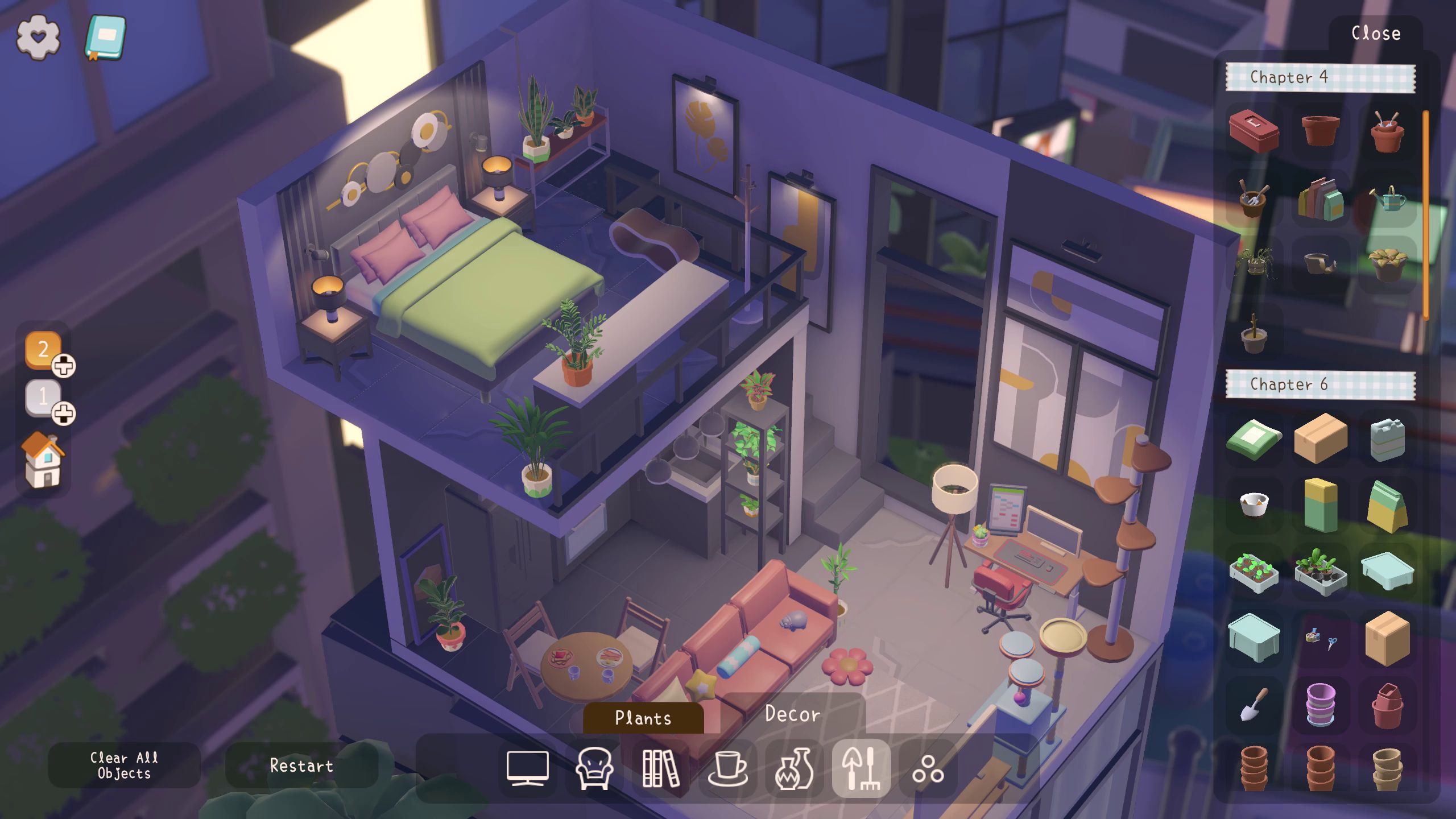
Managing plants is one of the game’s most original features. It’s not enough to ensure them the right light and humidity: we’ll need to place them near other compatible plants, creating a harmonious balance. A cactus, for example, thrives near certain vegetation and “suffers” beside others. A beautiful metaphor for our lives: we flourish happily when we’re in the right environment, surrounded by people who make us feel at ease. This game reminded me very much of Una barca nel bosco by Paola Mastrocola. There too, the protagonist feels out of place in grey Turin and retreats into plants, creating a small urban forest. An ode to those who strive to remain faithful to themselves, even when everything seems to be against them. If you like Urban Jungle, I strongly recommend you read it.
In conclusion, Urban Jungle invites us to believe in our dreams, to nurture our hopes and not let ourselves be suffocated by others’ expectations, by the false needs imposed by social media, or by what others expect from us. Sometimes, it’s all it takes to remind us who we truly are. And it is in those small gestures, those small flowers, that the flame of our inner fire can reignite — a flame that should never go out. Just a barren, grey, sad desert.