

In recent times, there has been widespread discussion about the rise in Amazon Prime subscription prices. While efforts are currently being made to shock and anger people with this increase, which exceeds even the already high inflation rate, personally I am not surprised — in fact, I had long believed that the subscription price was substantially low relative to the value it provided.
For those who now think it’s paid off or absolutely wants to praise Amazon, I invite you to read my previous articles, never flattering towards this colossus.
But we must give Caesar what is Caesar’s, and Amazon has proven to be a platform without equal, having revolutionised online e-commerce since the second era of the internet and become, by right, the monopoly site for online buying and selling.
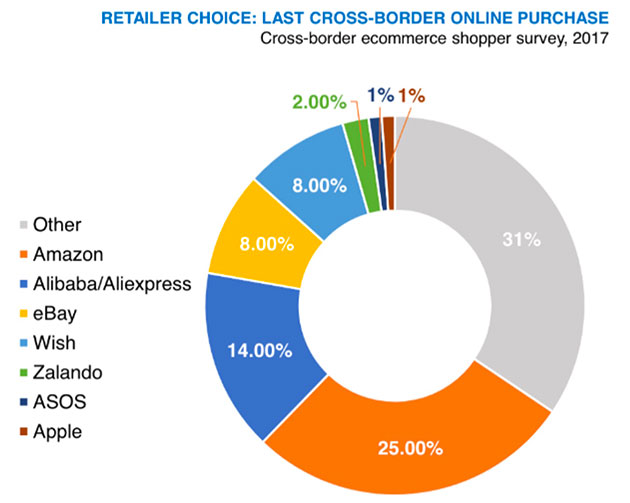
data from: Ecommerce Italia 2018 – Comparative statistics and current trends
With the figures at hand, the growth rates of Amazon remain still terrifying.
The story of Amazon’s dominance in Italy is inextricably linked with eBay’s troubled history, which, despite launching as Italy’s first e-commerce site, never managed to inspire consumer trust to the end. Complicating matters was a complete “Far West” management style, in which anyone could join to sell without particular oversight, ensuring access for waves of people whose sole purpose was to trick the next person. How many times have we found ourselves holding games not original, installed on second-hand CDs when the site marketed them as genuine and authentic? And above all, how many stories can each of us recount of scams suffered by friends or even ourselves, involving phones that never arrived?
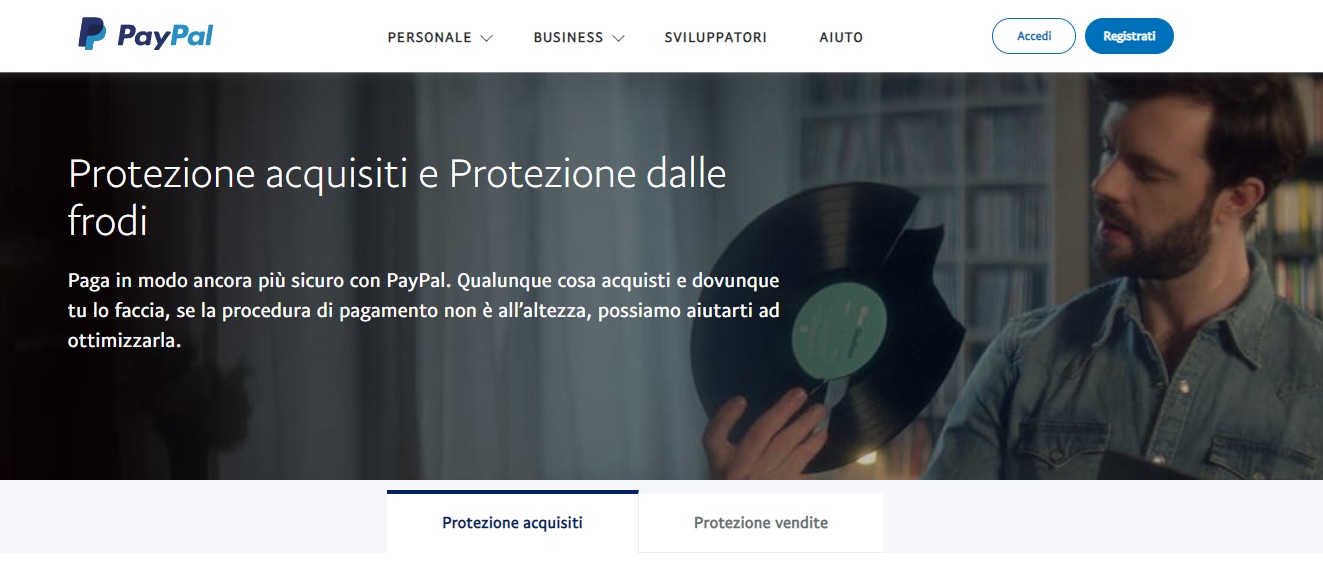
E-Bay, in the face of these issues, offered bland responses with the main intention of distancing itself from any responsibility for such purchases, a responsibility it lacked, which PayPal exploited to sell its online payment system with protection for buyers.
It was like this that, finding itself before an audience generally negative towards e-commerce, Amazon inserted itself in a dominant way with an unmatched customer service. There has never been a time when I personally felt let down by their customer service. Every purchase I made (and still make) that went wrong — whether due to inaccurate seller instructions or simply because I made a mistake — I have always managed to find a solution that satisfied me, even after time spans that no other online site would ever dare to wait.
Year after year, Amazon’s customer service has only improved, while on other sites, no significant change can be registered.
To date, few offer a return policy as comprehensive as Amazon’s, especially for incorrect purchases.
Not to mention shipping costs, the Achilles’ heel of nearly all other online retailers, where even at lower prices the scam inevitably reveals itself through exorbitant shipping fees, almost equal to the product’s own cost, and imprecise delivery times.
I’d like to say there are valid alternatives to Amazon — and yes, Amazon isn’t a saint — with stories of employees forced to endure gruelling workloads and meagre pay while their boss can afford to disassemble and reassemble bridges as if it were treating himself to an ice cream. But the reality is that Jeff Bezos became so rich and powerful for a reason: he put money where others wouldn’t, on consumer trust earned by fulfilling even absurd, currently costly requests — requests that, in the long term, the company can only benefit from, boosting customer loyalty.