
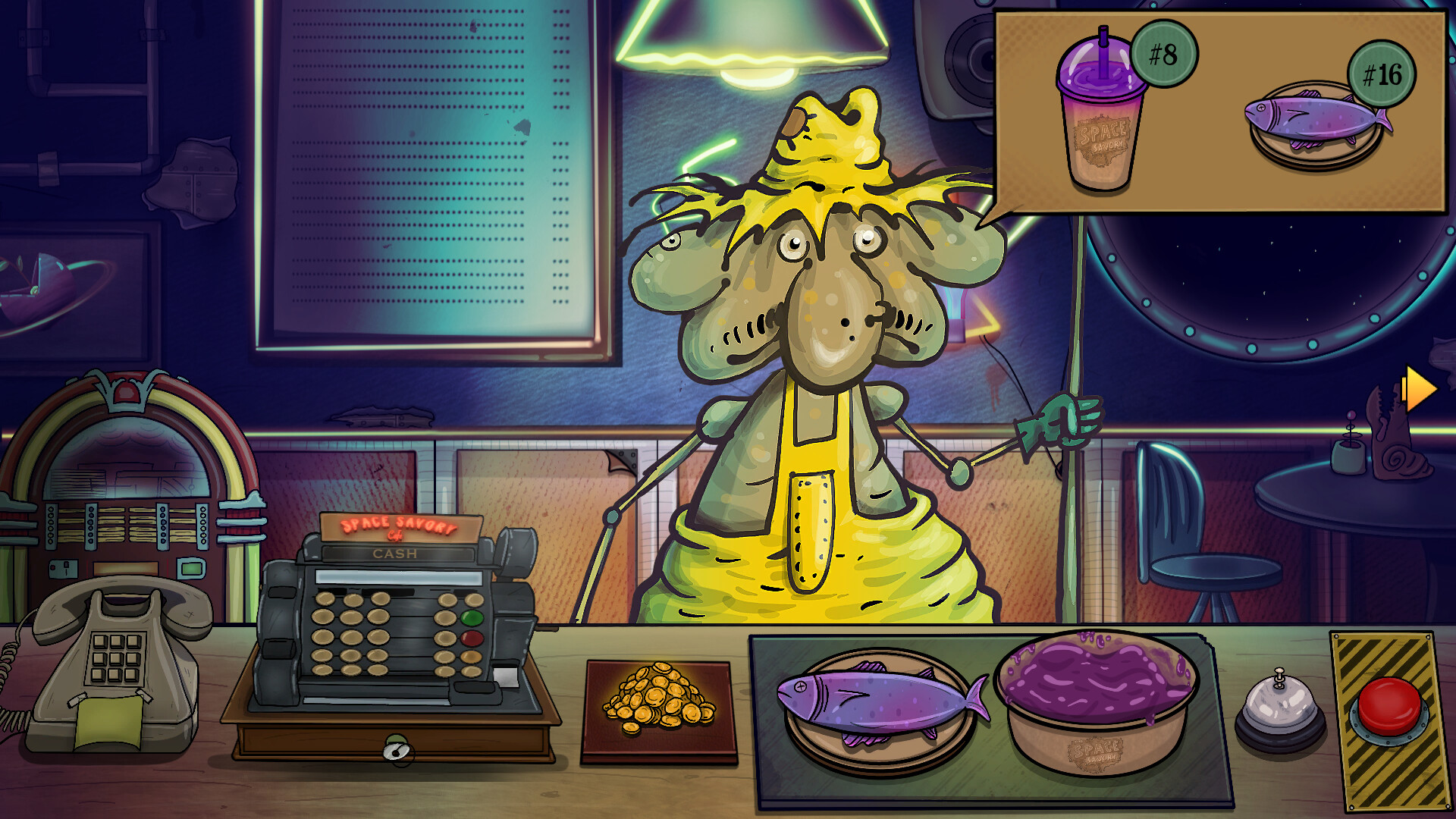
And what if the best way to get back to Earth was to open a restaurant and turn your customers into the daily dish? This is the premise of Space Savory, a management sim that takes the classic culinary simulation concept and subverts it with a generous helping of dark humour, surreal situations, and an admittedly questionable entrepreneurial philosophy — but above all, the joy of managing a space restaurant. Developed by DelusionArt Studio, the game puts you in the shoes of an astronaut who, after getting stranded on an unknown planet, is forced to reinvent himself as a restaurateur. The goal is simple: earn enough money to buy the fuel needed to get home. The problem? To keep the business running, you must source ingredients — and the most effective way to do that is to exploit the extraterrestrials who frequent the establishment. This premise immediately clarifies the tone of the adventure: here, we’re not facing the classic, relaxing management sim where you prepare burgers and serve satisfied customers. In Space Savory, the line between restaurant and intergalactic butchery practically disappears.
A restaurant where customers end up in the menu
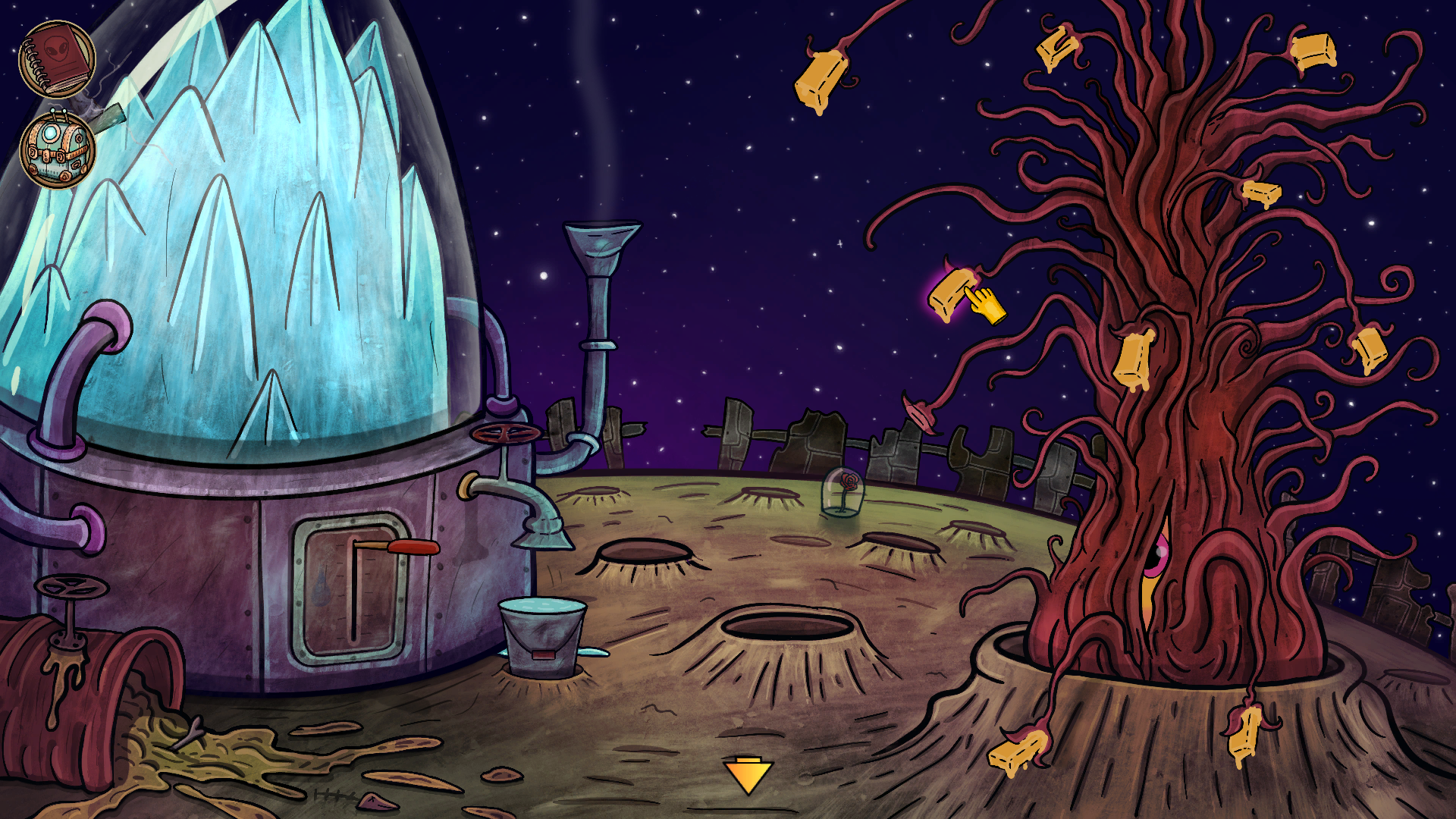
The core of the experience is represented by the restaurant management and, above all, by the unique supply chain for ingredients. The aliens inhabiting the planet are not only potential customers but also a fundamental resource for keeping the business running. Each extraterrestrial species has distinct characteristics and materials that can be exploited to create the requested dishes. Therefore, players must capture the aliens, extract the necessary ingredients, and organize stockpiles to avoid running out of supplies during service.
To make it even more absurd, the possibility of using a cloning machine — a tool that allows you to expand available resources and make the entire operation more efficient — comes into play. A decidedly non-conformist solution, but perfectly consistent with the world built by the developers. What’s interesting is that this particular idea doesn’t remain just a comedic gimmick; it becomes an integral part of the game loop. Resource management takes on concrete importance and forces you to plan your activities, trying to maintain a balance between available ingredients, customer demands, and earnings.
Cooking, reflections and minigames
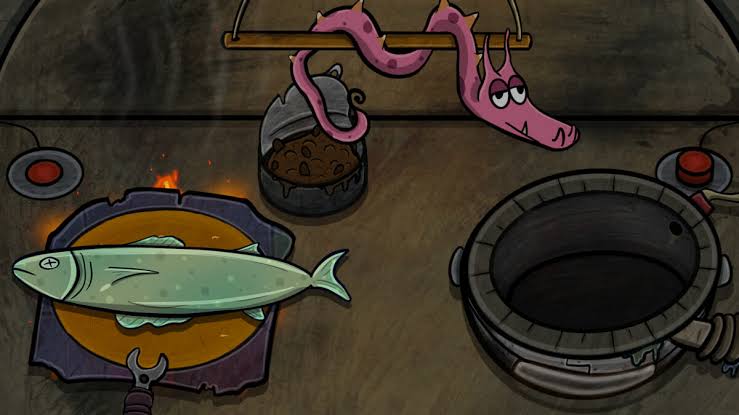
Naturally, once the ingredients have been recovered, it’s time to get to the kitchen. And here, Space Savory introduces another core gameplay component: the minigames dedicated to preparing dishes. Recipes aren’t created through simple automated animations, but require direct player involvement. Each preparation offers different activities, primarily based on precision, timing, and reflexes. This makes kitchen work considerably richer than that of many traditional management games. It’s not enough to simply select a recipe and wait for the dish to be ready: you must demonstrate a certain skill to correctly complete the various operations and meet customer demands.
The variety of preparations helps keep interest alive, even if not all activities are equally entertaining. Some minigiochi can indeed become quite challenging, especially when they require very precise movements or a good dose of patience. It’s one of the aspects I’d have wanted to see more thoroughly polished. Nevertheless, the culinary component remains one of the most distinctive elements of the experience.
Not only stoves: a universe full of surprises
Limiting Space Savory to just managing the restaurant would be too restrictive. The game actually offers several secondary activities that enrich the game world and break the daily routine of the establishment. Among the most unusual situations, we find bets with shady space flies, the ability to identify wanted criminals and report them to the police, or exploiting the presence of famous aliens to sell their images to paparazzi. The space pirates are also always ready to target the profits of our small gastronomic empire. These situations add a touch of unpredictability and help make the adventure less static.
These activities work mostly because they fit perfectly into the irreverent tone of the production. Every opportunity becomes a chance to earn some extra credits, but also to stumble into completely off-the-wall situations. The feeling is that you’re inside a small universe deliberately built to surprise the player, where every character and every activity seems to push the concept of absurdity just a little further.
A colourful and distinctive artistic direction
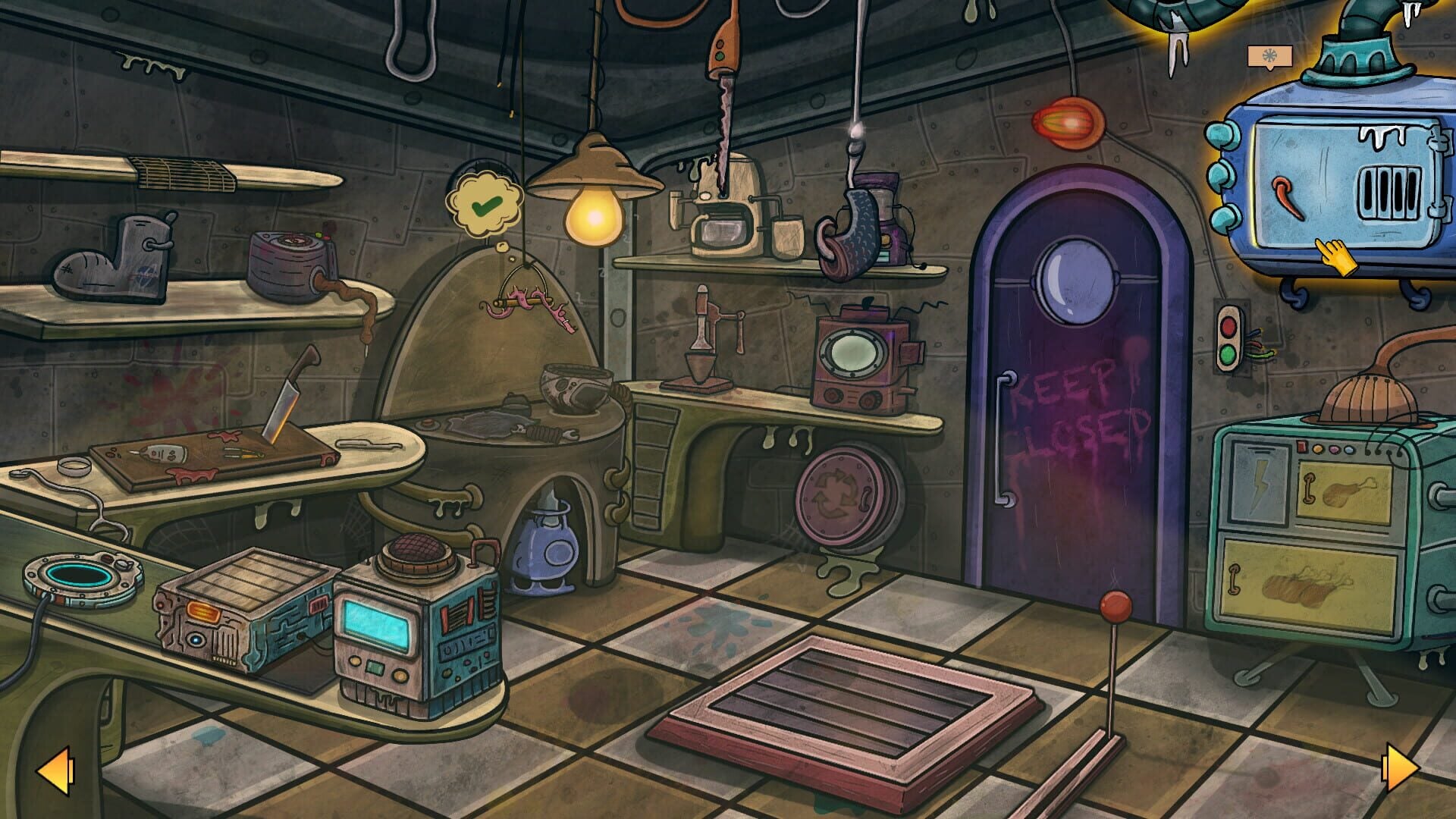
Visually, Space Savory opts for a 2D artistic direction with hand-drawn characters and environments. This approach fits particularly well with the production’s ironic tone and allows for the distinct personalities of the various extraterrestrial creatures. The aliens feature wildly original and easily recognizable designs, while the environments help build a vibrant, bizarre, and thematically consistent world.
We are not facing a production that focuses on realism or particularly elaborate visual effects. Its goal is rather to build a precise visual identity capable of accompanying the player through various activities without ever taking itself too seriously.
The narrative aspect also follows this philosophy. Absurd dialogue and situations accompany the adventure, maintaining the consistent tone of dark humour that represents one of the project’s defining elements.
The limits of an undoubtedly interesting idea
Despite an original premise and a good variety of activities, Space Savory is not without its limits. The first concerns the minigame system. While initially they offer a pleasant alternative to traditional management, after several hours some activities risk losing part of their appeal. Repeating certain tasks can make kitchen management less engaging, especially for players seeking a management experience with deeper progression. The difficulty of some preparations might also discourage less patient players. A greater degree of personalisation would certainly have helped make the experience accessible to a broader audience.
Another aspect to consider is the overall structure of the gameplay. Managing resources, the preparation of dishes, and side activities work well together, but they don’t always maintain the same level of engagement. Some mechanics inevitably repeat themselves, and this can affect perceived longevity.
They are nonetheless constraints that don’t erase the merits of the production, especially considering the independent nature of the project and the developers’ desire to offer something different from the usual.
An out-of-the-box manager
Space Savory is one of those independent productions that manage to stand out before they even begin. Its premise is absurd, its humour is deliberately off-the-wall, and the gameplay attempts to blend various genres without losing sight of its own identity. Managing the restaurant, gathering ingredients, culinary mini-games, and the numerous side activities build a fairly varied experience, capable of entertaining especially those seeking something light and distant from the most traditional simulations. If you enjoy management sims, unconventional simulations, and above all, black humour with no strict limits, Space Savory might turn out to be a pleasant surprise. On the other hand, it doesn’t happen every day that you have to manage an intergalactic restaurant where the origin of the ingredients is decidedly more worrying than their expiry date.
About the Author