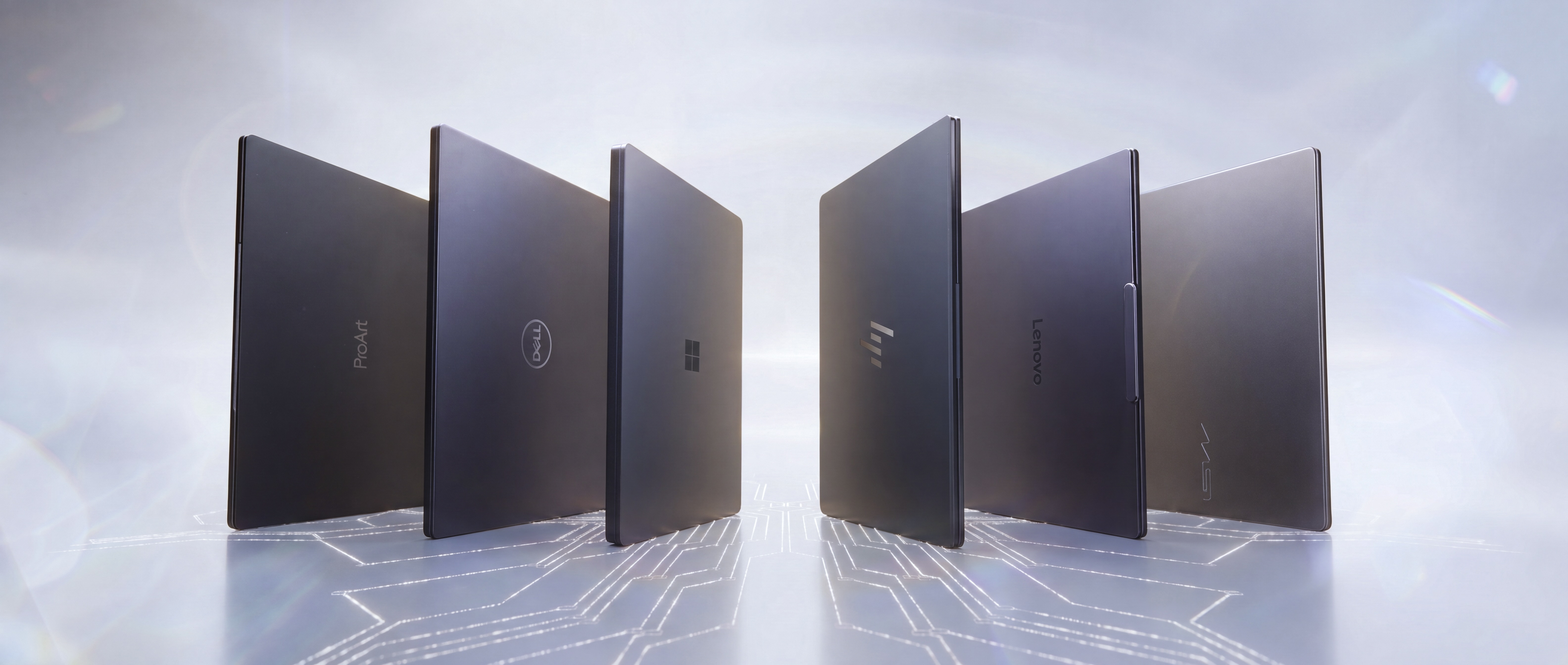
NVIDIA RTX Spark is available today on new Windows PCs built by ASUS, Dell, HP, Lenovo, Microsoft and MSI. The new platform aims to combine RTX graphics, CUDA compute power and AI-specific tools in portable devices designed for creators, developers and gamers.
The project is built around a superchip that integrates an NVIDIA Grace CPU and an NVIDIA Blackwell RTX GPU, with a maximum of 128 GB of unified memory and an AI computing capacity declared up to 1 petaflop FP4. The goal is to enable users to work with artificial intelligence models directly on their PC, manage complex creative projects, and play even the most demanding titles without necessarily relying on the cloud.
The next generation of devices emerges from the collaboration between NVIDIA, Microsoft, and various computer manufacturers. The first models are already available worldwide, starting at $2,599, although prices and configurations may vary depending on the market.
NVIDIA RTX Spark relies on local artificial intelligence
One of the platform’s key features is the ability to run AI models and intelligent agents directly on the device. Unified memory allows the CPU and GPU to share resources, offering greater flexibility when running demanding workloads.
According to NVIDIA, this architecture enables the management of advanced AI models, working on 3D scenes exceeding 90 GB, and quickly switching between creative tasks and software development. The manufacturer also aims to provide performance suitable for running AAA games at 1440p resolution, with frame rates above 100 FPS in compatible titles with appropriate settings.
RTX Spark also integrates various technologies from the NVIDIA ecosystem, including CUDA, DLSS, OptiX, Reflex, G-SYNC and TensorRT, along with hardware acceleration features for video. The platform was developed to maintain these capabilities in thin and portable devices, without sacrificing the autonomy needed to work even away from a power outlet.
For the design of the custom CPU, NVIDIA has collaborated with MediaTek, with the aim of improving energy efficiency, performance, and connectivity.
AI agents become part of daily work
NVIDIA RTX Spark aims to go beyond simple chatbot usage, offering a platform on which to run AI agents capable of completing tasks, generating content, and writing code. To simplify access to these tools, NVIDIA has planned guided procedures and installation programs that do not necessarily require command-line use.
Among the supported solutions are GitHub Copilot, Hermes, OpenClaw, Perplexity, Pi and WorkBuddy. The idea is to allow even less experienced users to start using these tools without having to manually configure each component.
For running local models, Nemotron 3.5 Bolt 74B-A9B 24GB is also cited, a model with 74 billion parameters optimized for tool use and multi-step tasks, available on RTX Spark-supported configurations.
On the security front, NVIDIA OpenShell and Microsoft Execution Containers allow for managing permissions granted to agents. Compatible tools can also interact with NVIDIA applications and libraries, including Broadcast, RTX Remix, and Omniverse. In some scenarios, for example, an agent can modify audio and video effects during a live stream or automate the processing of recordings.
Thanks to NVIDIA PAIR, RTX Spark can also make its own AI resources available to other compatible computers connected to the home network, including Windows, Linux and macOS systems. In this way, a single device can handle part of the AI workload while other PCs remain free for creative tasks or gaming sessions.
Editing video and 3D graphics with Adobe
The platform is also designed for creative professionals. NVIDIA claims the ability to work with 8K video in 4:2:2 format and particularly heavy 3D scenes, even when the device is not connected to power.
Adobe is also introducing NVIDIA TensorRT acceleration in some artificial intelligence-based features of its creative applications, including Photoshop, Premiere, and Substance 3D.
With Premiere, users can benefit from improvements across various stages of video production, from video playback to rendering, passing through effects and colour grading. Beta versions of Photoshop and Premiere with native RTX Spark support are available at launch, while Substance 3D support will arrive later.
NVIDIA Broadcast also receives new features. Version 2.3 allows removing background noise from already recorded footage and modifying voice rendering via Studio Voice Mic profiles. The beta features of RTX Video aim instead to improve footage through super-resolution up to 4K and frame generation up to four times.
Within the video generation scope using ComfyUI, new RTX Video nodes enable converting AI-generated videos at 15 FPS into smoother content at 60 FPS, with the option to also convert them into HDR video without needing to rely on paid cloud processing for each use.
Software development and CUDA tools on Windows
NVIDIA RTX Spark aims to simplify even developers' work by combining code writing, testing, and prototyping on the same machine. Local execution of AI models and agents allows keeping locally processed code and context on the device, reducing the need to transfer every activity to external services.
Native CUDA support allows you to use tools from the NVIDIA ecosystem, while Windows Developer Config and Windows Subsystem for Linux help set up a development environment suitable even for those who typically work with Linux tools.
NVIDIA has also prepared several tools to improve developer support on Windows with Arm architecture. Among the new features are a first version of PyTorch with CUDA for Windows on Arm, a native Python distribution by default, a native Conda installer, and declared compatibility with 97% of the 15,000 most commonly used Python packages.
The project fits into a broader strategy aimed at enabling developers to create NVIDIA-accelerated applications and subsequently distribute them across more than 150 million PC RTX AI and NVIDIA GPUs available in the cloud.
Gaming with DLSS and support for major titles
Beyond productivity, NVIDIA RTX Spark is designed to deliver a complete gaming experience. The Blackwell RTX GPU integrates the company’s technologies aimed at improving visual quality and performance, including DLSS, ray tracing, G-SYNC and Reflex.
At launch, several games are scheduled, including Cyberpunk 2077, Fortnite, Gears of War: E-Day, Marvel Rivals, World of Warcraft and NBA 2K27.
This is used by NVIDIA to showcase the platform's potential. The game leverages DLSS 5 and 3D-Guided Neural Rendering technology to enhance lighting and material details, aiming for a more realistic image. A new AI model, available from launch and claimed to be twice as fast as the previous version, can also boost DLSS 5 frame rates up to 1.4 times.
Actual performance will naturally depend on the game, the configuration, and the settings used. The ability to combine RTX graphics and AI tools on a portable device remains one of the key areas NVIDIA is focusing on with this new line of PCs.
Availability and prices of NVIDIA RTX Spark
The first NVIDIA RTX Spark notebooks are available worldwide through the manufacturers’ official websites and major retailers, starting at 2,599 USD. Configurations and prices may vary by region, while a limited-time promotion is also planned for new Perplexity users.
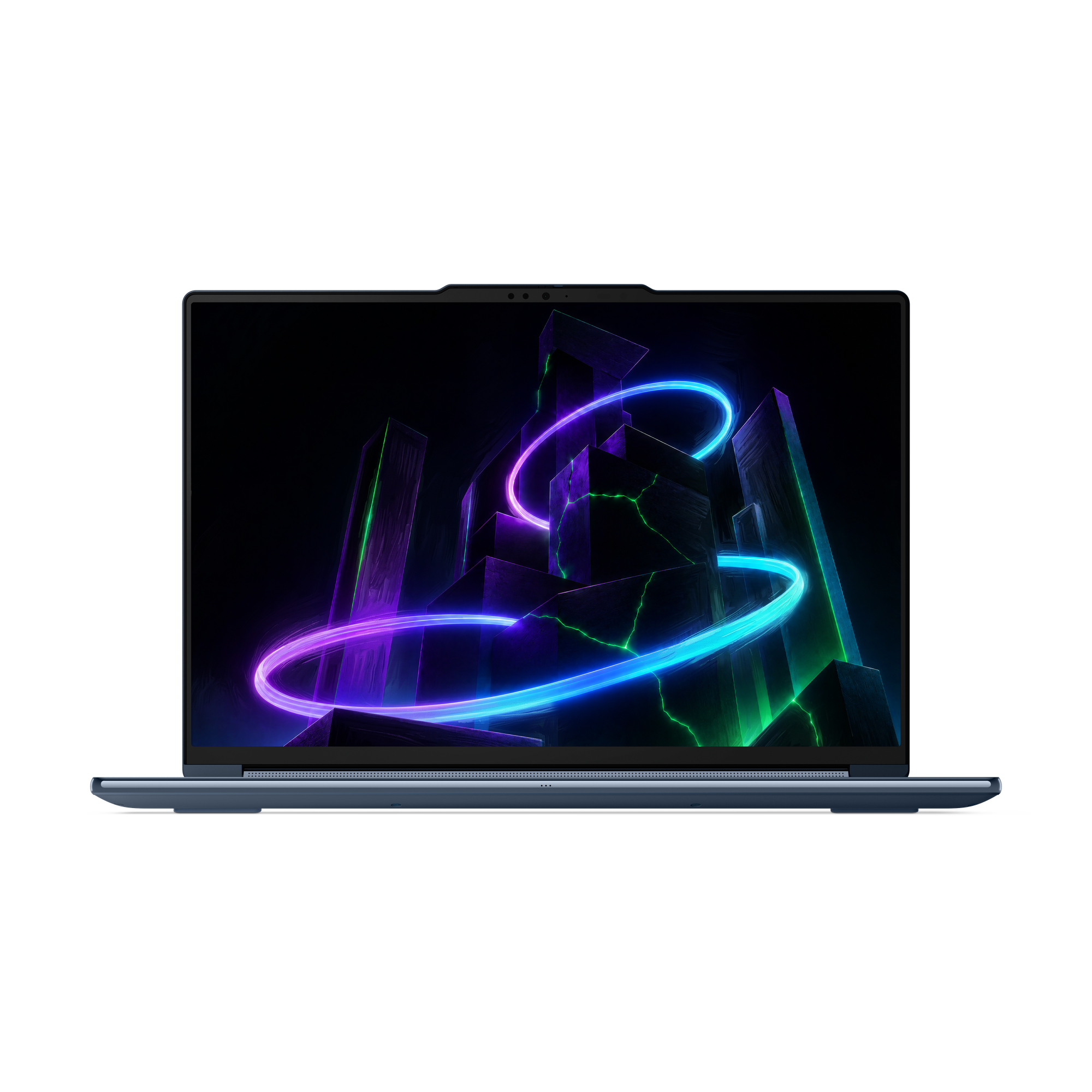
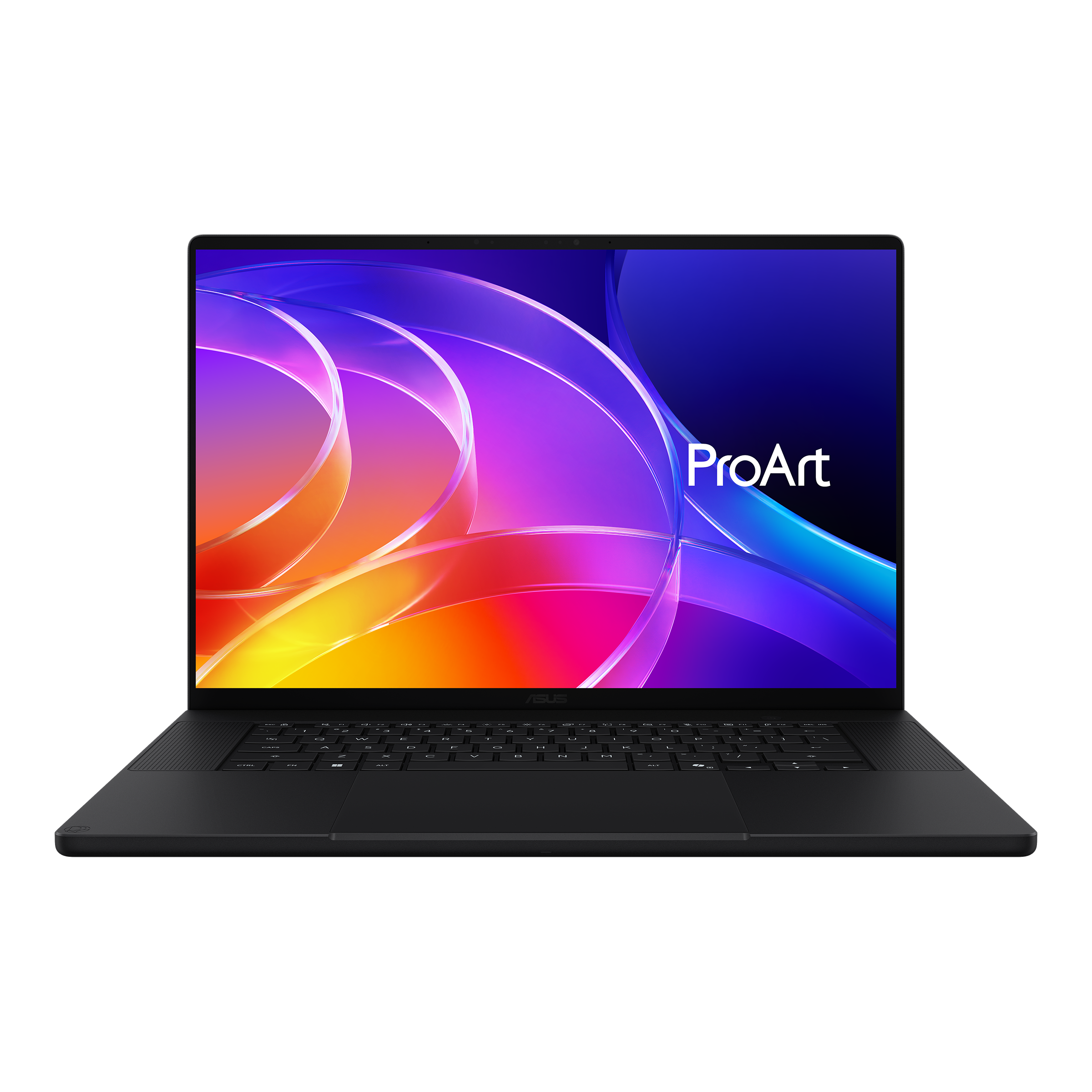
The range includes ASUS ProArt P14 and P16, Dell XPS 16, HP OmniBook Ultra and OmniBook X 14, Lenovo Yoga Pro 9n, Microsoft Surface Laptop Ultra and MSI Prestige N16 Flip AI+ and Prestige N16.
With RTX Spark, NVIDIA aims to bring together gaming, content creation, and local artificial intelligence into a new category of Windows PCs. The combination of Blackwell GPU, Grace CPU, and unified memory up to 128 GB seeks to offer a versatile platform for those seeking a device capable of handling both everyday tasks and advanced workloads.
About the Author