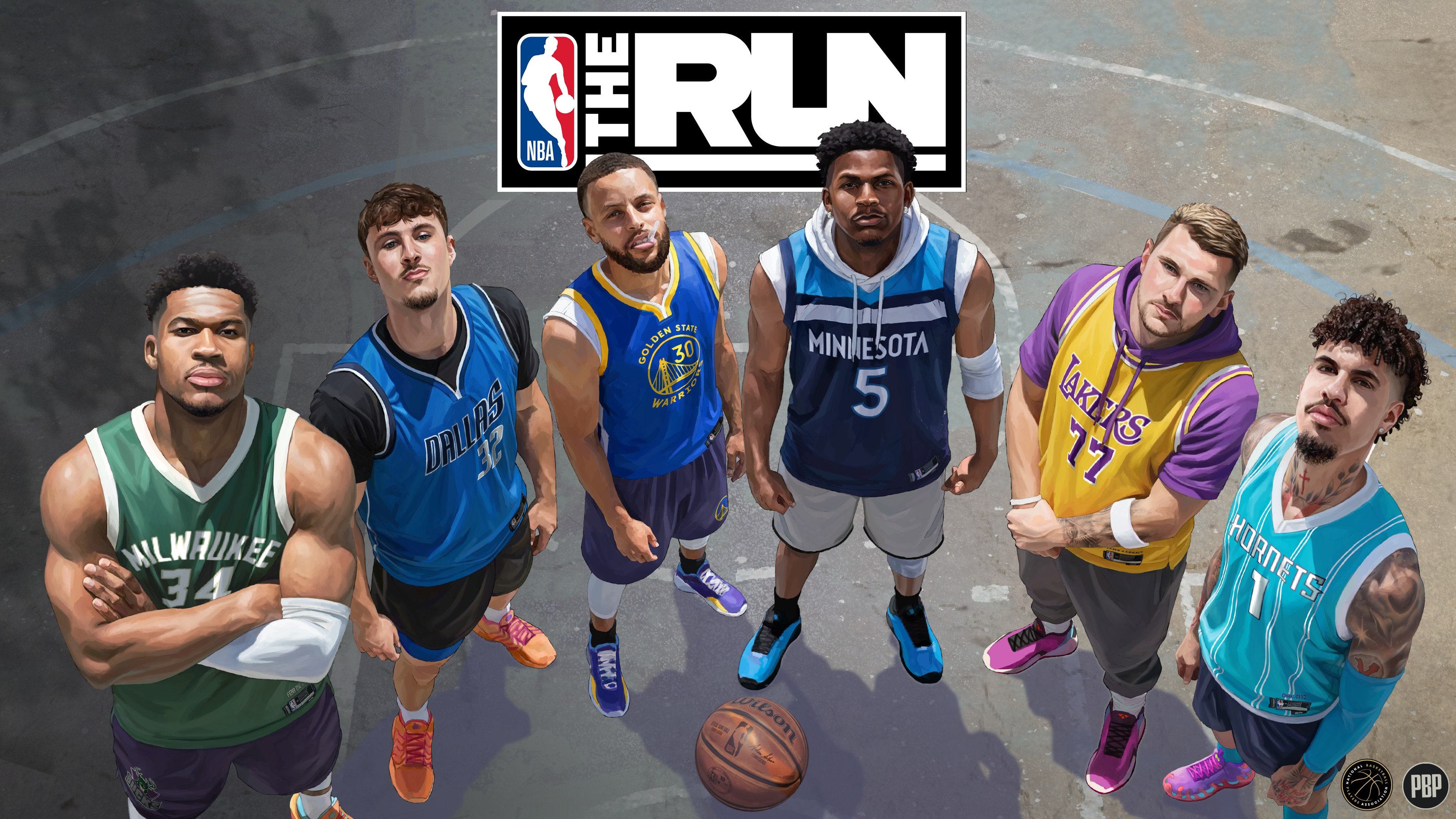
In the world of sports video games, finding the right balance between simulation and immediate fun is never easy. On one side are players seeking realism, tactics, and depth; on the other, those who simply want to step onto the court, grab the ball, and build a spectacular play. NBA The Run tries to fit into this middle ground, offering an experience that prioritises gameplay and the pace of action over the desire to replicate every detail of real basketball. The result is a title that focuses primarily on the feeling of control and the speed of the games. It’s not a pure simulation and doesn’t aim to be one to the end: its identity is that of an immediate, spectacular, and relatively accessible game, but with enough depth to require a bit of practice before mastering its mechanics.
This content is provided by YouTube. To view it, you must allow external content. Activation may result in data being shared with the third party.
Gameplay
The first thing that strikes you in NBA The Run is the pace. Actions unfold rapidly, and the game constantly strives to maintain high tension. Every possession can turn into an opportunity to score, and, especially in more balanced matches, the feeling of having to make the most of every available space makes the experience engaging.
The controls are intuitive enough to allow you to start playing without a long learning phase. Moving, changing direction, accelerating, passing, and seeking the finish become natural quickly. The initial simplicity, however, does not necessarily mean superficiality. After the first few matches, a more technical component emerges: knowing when to accelerate, when to stop, how to create space, and when to abandon a difficult shot in favour of a better solution.
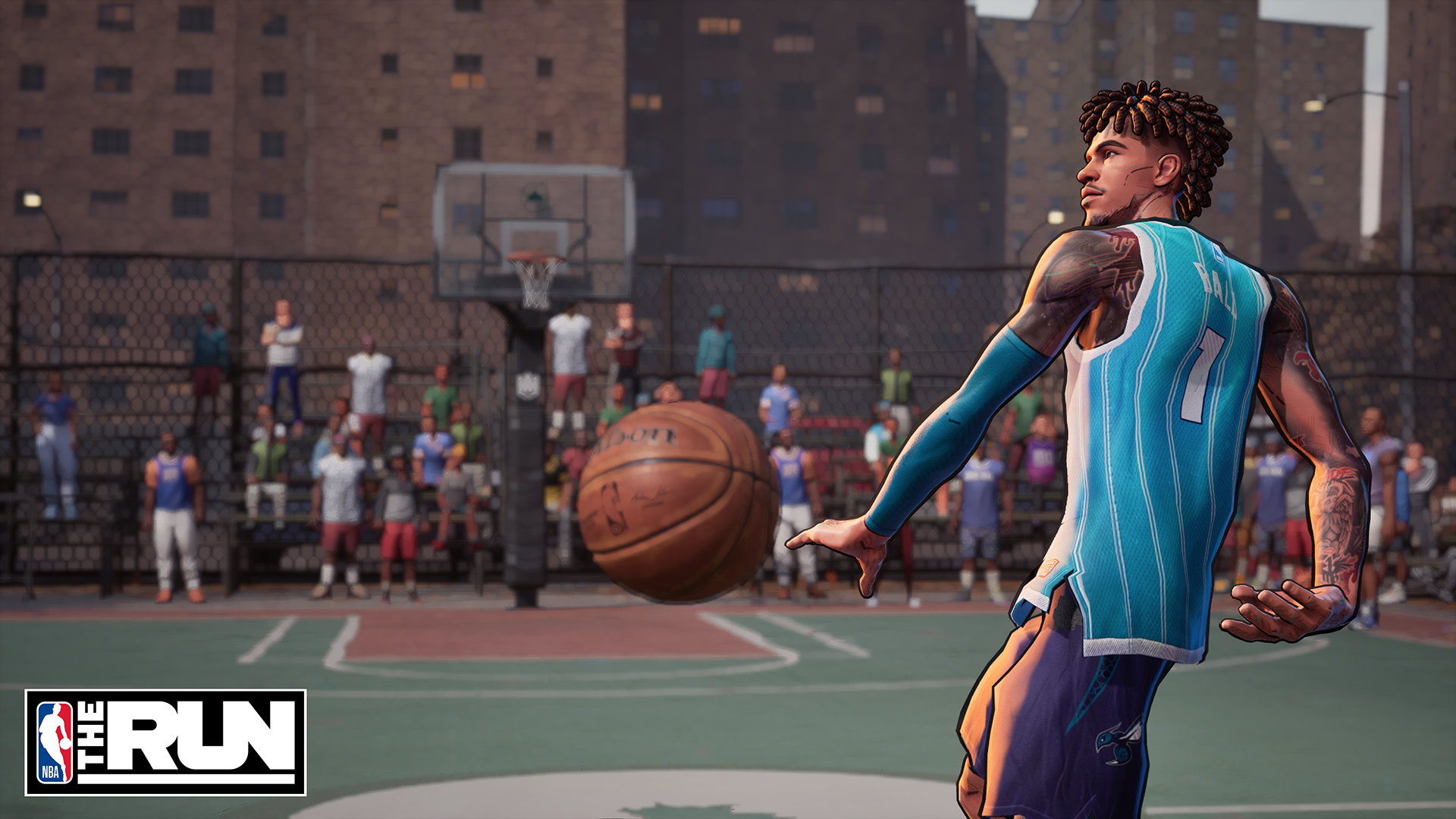
It’s here that NBA The Run truly shines. A successful play, built correctly, delivers a far greater sense of satisfaction than a random, improvised finish. The game rewards familiarity with its mechanics , though it doesn’t always manage to keep them perfectly balanced. Some strategies prove more effective than others, and once identified, they risk being overused.
Passing and movement
The movement system is one of the most important elements for creating an enjoyable experience. Passing is not only used to move across the field, but becomes a tool to set up the right situation before finishing. Changing direction, exploiting spaces, and trying to leave the defender in the wrong position become crucial operations as difficulty increases.
The problem is that not all animations always return the same level of precision. In some situations, movement appears smooth and natural, while in others the "video game" nature of the system becomes more apparent. It’s not a flaw that undermines the experience, but it can become noticeable, especially for those seeking a very high level of realism. The overall feeling remains positive: the player has good control over their athlete and rarely feels completely like a spectator of the action.
The shot
The shot represents one of the mechanics that require the most practice. Timing is essential, and learning to recognise the ideal situation to finish becomes quickly integral to the experience. Taking a shot under pressure or from an unfavourable position can turn a promising possession into a wasted opportunity. Satisfaction arrives chiefly when the shot is the result of a well-constructed action. Creating separation, finding space, and finishing with the right timing produces a sense of control that works well from a gameplay perspective.
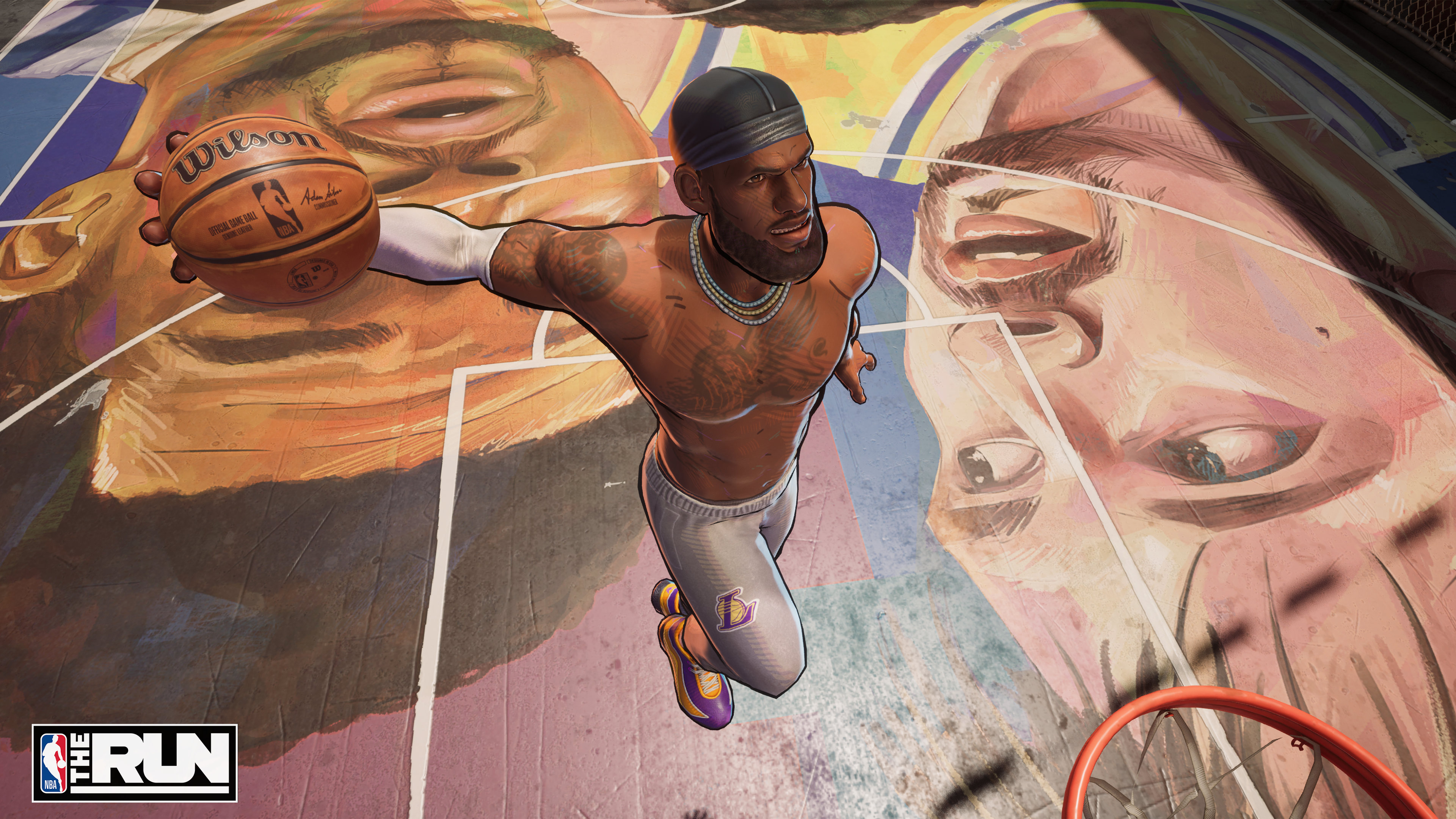
Not everything is perfect, however. In certain situations, the system’s behaviour can appear inconsistent, making it difficult to understand why two seemingly similar conclusions can lead to very different outcomes. It’s a problem that doesn’t break the mechanics, but which can create moments of frustration during the most intense matches.
Defence
If the attack is the most immediate aspect, defence requires greater attention. Defending effectively doesn’t simply mean pressing a button at the right moment. Positioning, anticipation, and the ability to read the opponent’s movement are fundamental elements. This is a positive aspect because it prevents defence from becoming an automatic sequence of commands. A patient player can be more effective than one who constantly tries to steal the ball.
Punishing the system is mostly the artificial intelligence. Teammates don’t always respond consistently and can leave explanations difficult to provide. In some cases, the AI contributes to building an interesting match; in others, it seems to be precisely she who determines the outcome of an action. It’s probably one of the areas where more work would have been needed.
Spectacle and immediacy
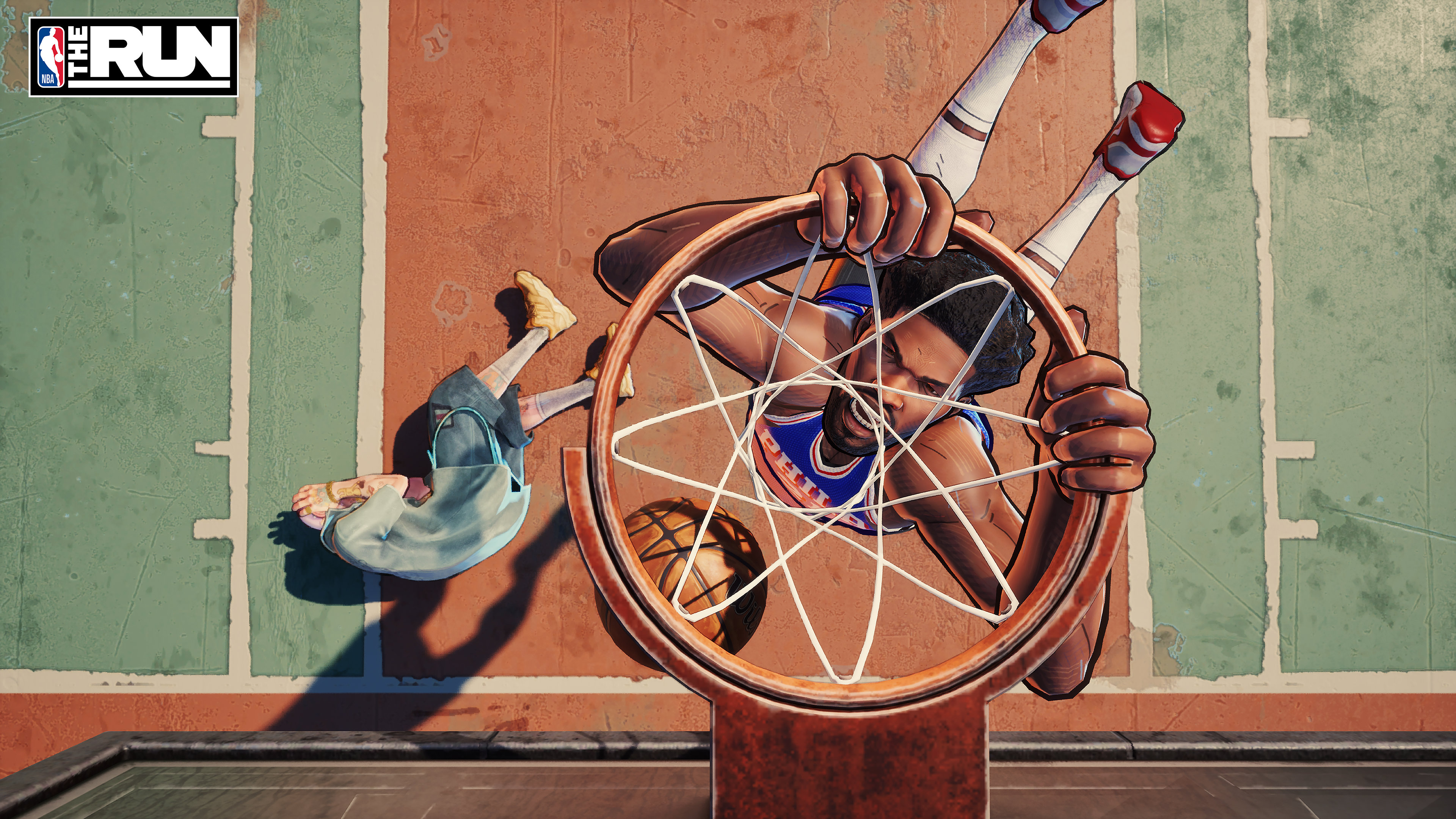
NBA The Run doesn't hide its spectacular nature. Rebounds, blocks, and individual plays contribute to creating an energetic experience designed to keep the player engaged constantly. The pace makes the title particularly suitable even for relatively short sessions. You don't need to invest hours before starting to have fun: a few games are enough to grasp the core philosophy.
The spectacle, however, also represents a double-edged sword. When certain plays become too effective, the risk is that the player stops experimenting and starts repeating the same solutions. The game still manages to maintain a good balance in most situations, especially when approached by trying to exploit all the system offers.
Learning curve
One of the most interesting aspects is the difference between learning to play and simply learning the commands. NBA The Run is sufficiently accessible to not intimidate new players, but still requires practice to master. As time passes, you begin to read the field better, recognize favorable situations, and above all understand when a play isn’t worthwhile. This creates a progression that doesn’t rely solely on statistics or upgrades, but on the player’s real ability to improve. It’s an effective approach, though a greater variety of situations and objectives would have contributed further to its longevity.
Graphics and optimisation
Visually, NBA The Run fulfils its role without necessarily capturing the main reason to play it. The court and game situations manage to convey sufficiently well the atmosphere of basketball, while the animations add to the overall spectacle. However, some imperfections become noticeable, especially during more intense moments.
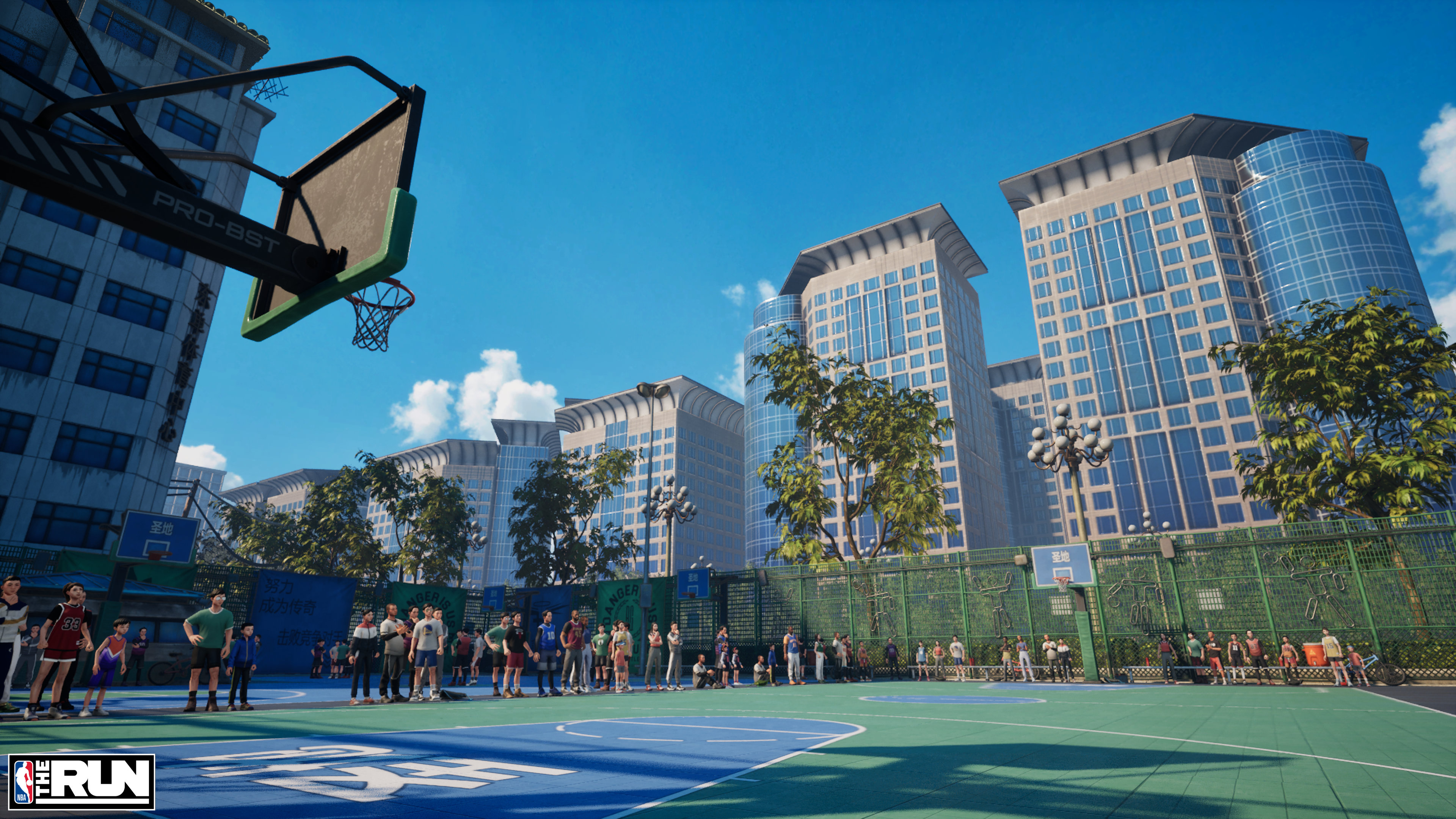
The art direction and presentation focus more on the energy of the experience than on pursuing absolute photorealism. It’s a choice consistent with the game’s overall philosophy, even if it leaves room for some improvements.
In conclusion
NBA The Run is a solid basketball game that knows exactly what kind of experience it wants to offer. Its strength lies in fast, accessible, and sufficiently deep gameplay that rewards those who truly learn the mechanics. Dribbling, movement, and shooting work well, especially when combined to build a complete play, while the spectacle component helps maintain the pace of matches. Yet, flaws do exist. The artificial intelligence isn’t always up to par, some animations feel unnatural, and certain strategies risk becoming repetitive. Moreover, those seeking an extremely realistic simulation might find some simplifications unconvincing. Nevertheless, the compromise the game has chosen works in most situations. NBA The Run doesn’t aim to turn every match into a complex tactical simulation: it wants to make the player feel immersed in the action and give them the tools to create spectacular plays.
About the Author