
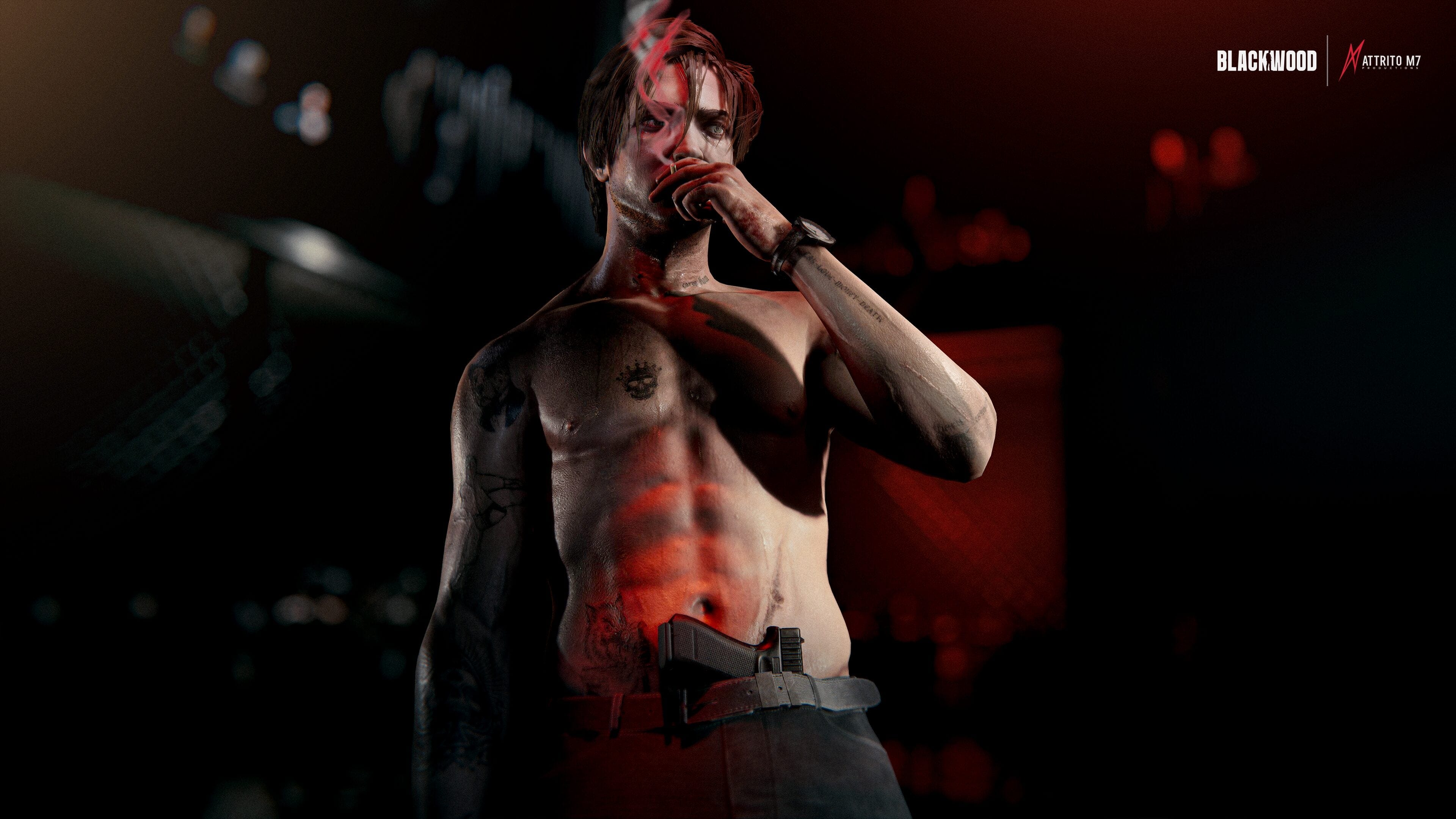
Takedown brutal and cinematic, like "John Wick". Moody, noir atmosphere, like "Max Payne". Fast combat with gunfire alternating with punches. Car chases. And it’s been released just one minute ago on Steam.
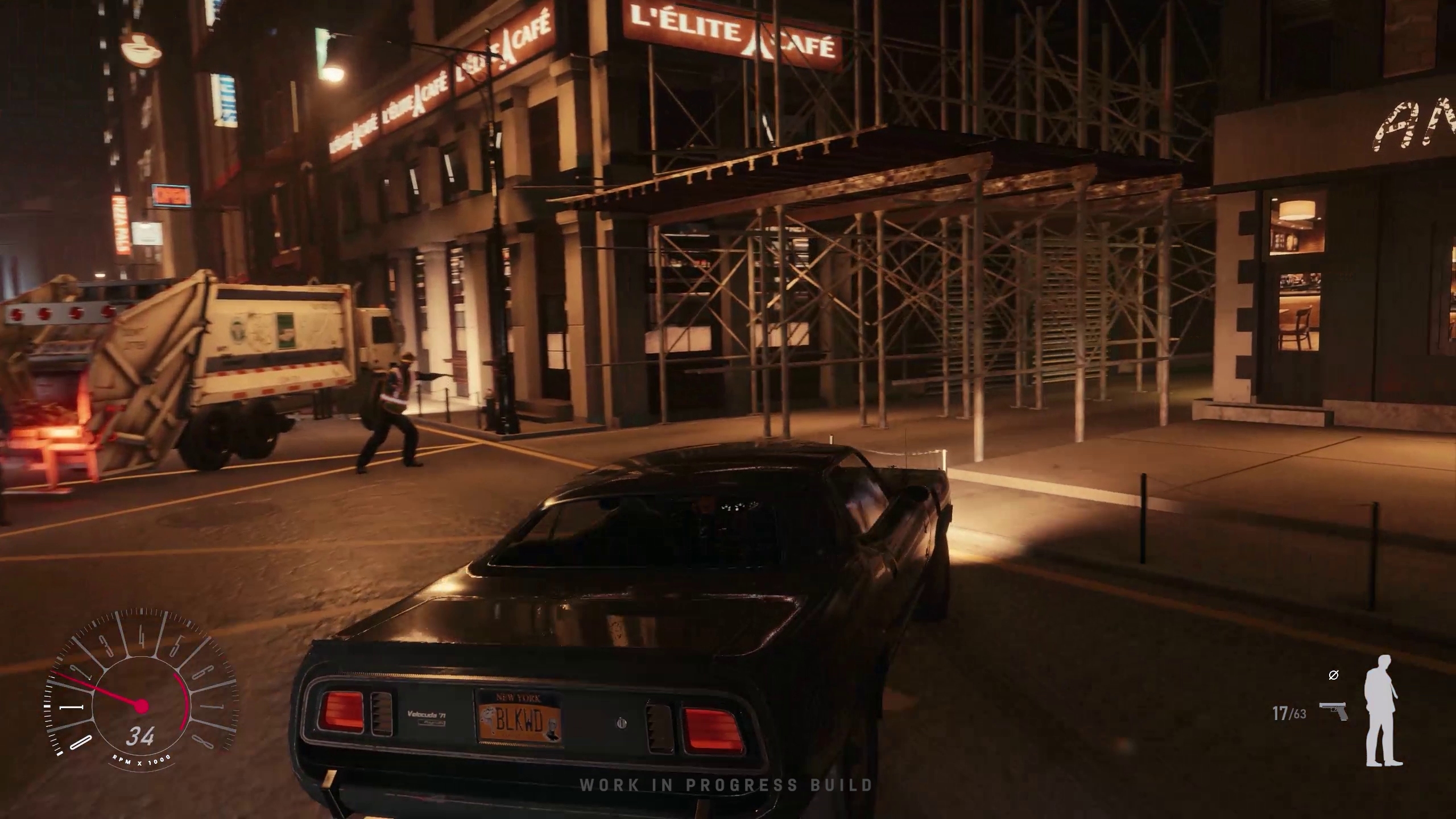
BLACKWOOD has made its mark at major events (notably Gamescom 2026) and in front of specialist gaming outlets, showcasing spectacular animations and promising a title packed with action and DVD-themed content worthy of the best third-person shooters. third-person-shooters. The title developed by AttritoM7 Productions and published by IZilla Games tries to blend a story set in the nights of New York in 2012, during which the cinematic action of a ruthless hired assassin alternates with the life of a DVD store owner.
This content is provided by YouTube. To view it, you must allow external content. Activation may result in data being shared with the third party.
The atmosphere, at least in intent, seems疯狂, but after just a few hours, you realise that the elegance of the model it’s looking at remains mostly an aesthetic suggestion... And with a terrible nausea after a few hours of gameplay, I wonder how it’s possible that BLACKWOOD has received all this hype.
Gameplay, combat and controls
I confess I was unsure about BLACKWOOD. But when I saw that AttritoM7 is a studio based in Bangladesh, I thought: 'Wow! What a cool find — I really want to see what these guys have come up with, because even if it’s barely worth it, I want to genuinely support them.' I’m sorry I gave a score that’s practically a football team’s formation, but for the sake of our readers, I have to be objective.
The main problem with this video game is that many of its core mechanics appear to have been designed without genuine attention to the overall coherence. For example, the game heavily emphasises cover combat, but then restricts the proper use of certain environmental elements: cars, for instance, allow you to repair yourself on the sides but not the rear, let you climb onto the hood but not the roof... rather inexplicable limitations in a title that builds much of its shooting mechanics around positioning.
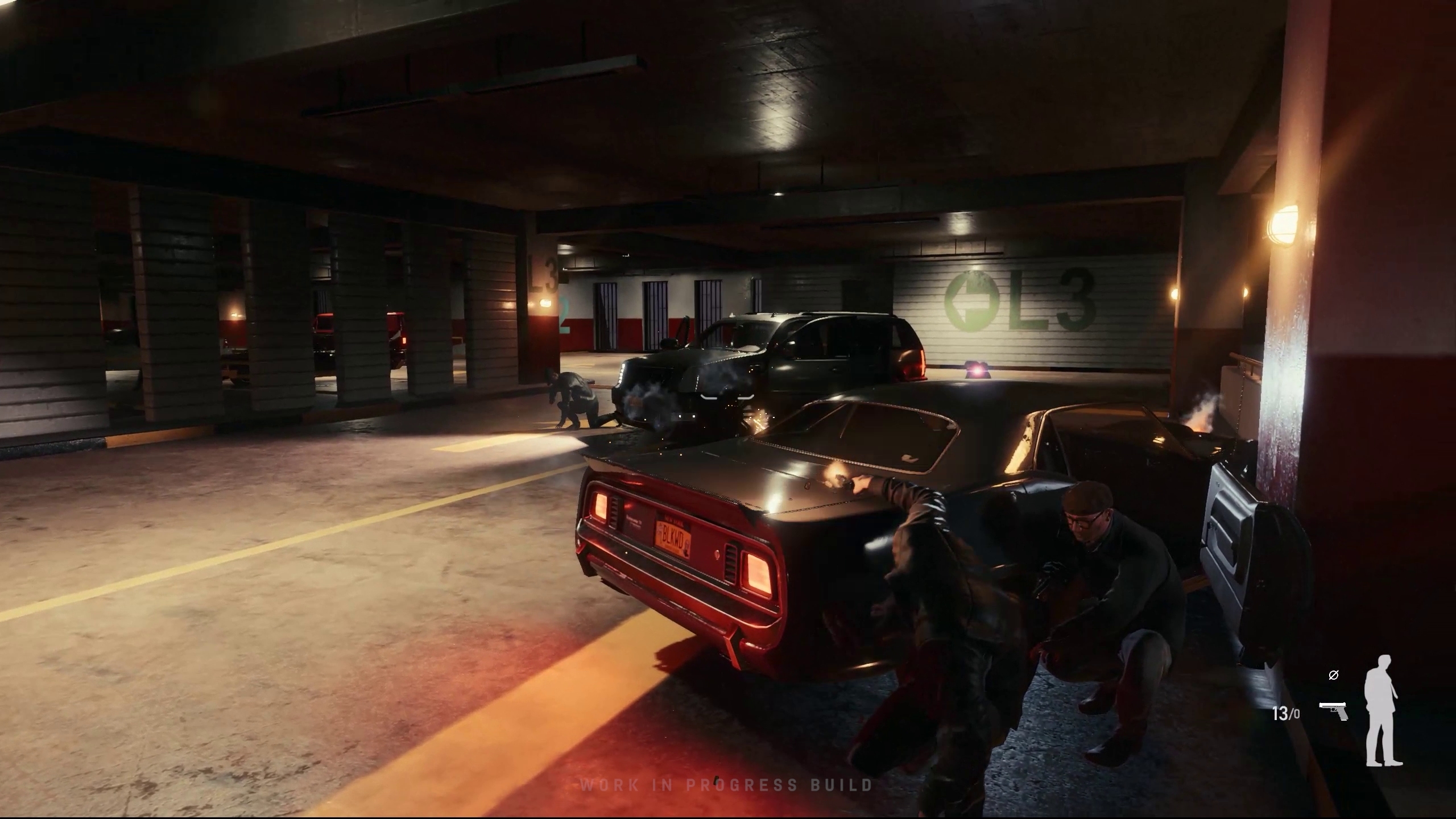
Even more problematic is the close-quarters combat, presented by the developers as one of the game’s defining features thanks to the numerous contextual takedowns. In practice, however, the animations can start in a confusing way, and some takedown appear almost randomly activatable, while the rigid camera makes certain situations absurd—where an enemy remains behind the character and attacks them, despite being genuinely unreactive.
Even the controller command mapping (though it’s a game that paradoxically lends itself to this system) leaves many perplexities: for example L1 to run and X to press to punch and to hold to kick during fights are choices that are frankly bizarre and further worsen the feeling that you’re facing an underdeveloped system. In the DVD store, the problem becomes even more evident, because interacting with menus and functions using the pad often feels uncomfortable and unnatural. Moreover, aiming at enemies becomes practically useless because the assisted aiming system, when active, is extremely intrusive and practically cheats for you.
Interface, menu and DVD store
Managing the shop should represent the other half of the experience, but instead ends up being one of the most boring components. Sorting, restocking, and handling DVDs may make sense on paper, but in practice the amount of downtime is surprising, especially since this part fails to turn the shopkeeper’s routine into a deep enough system to justify its inclusion.
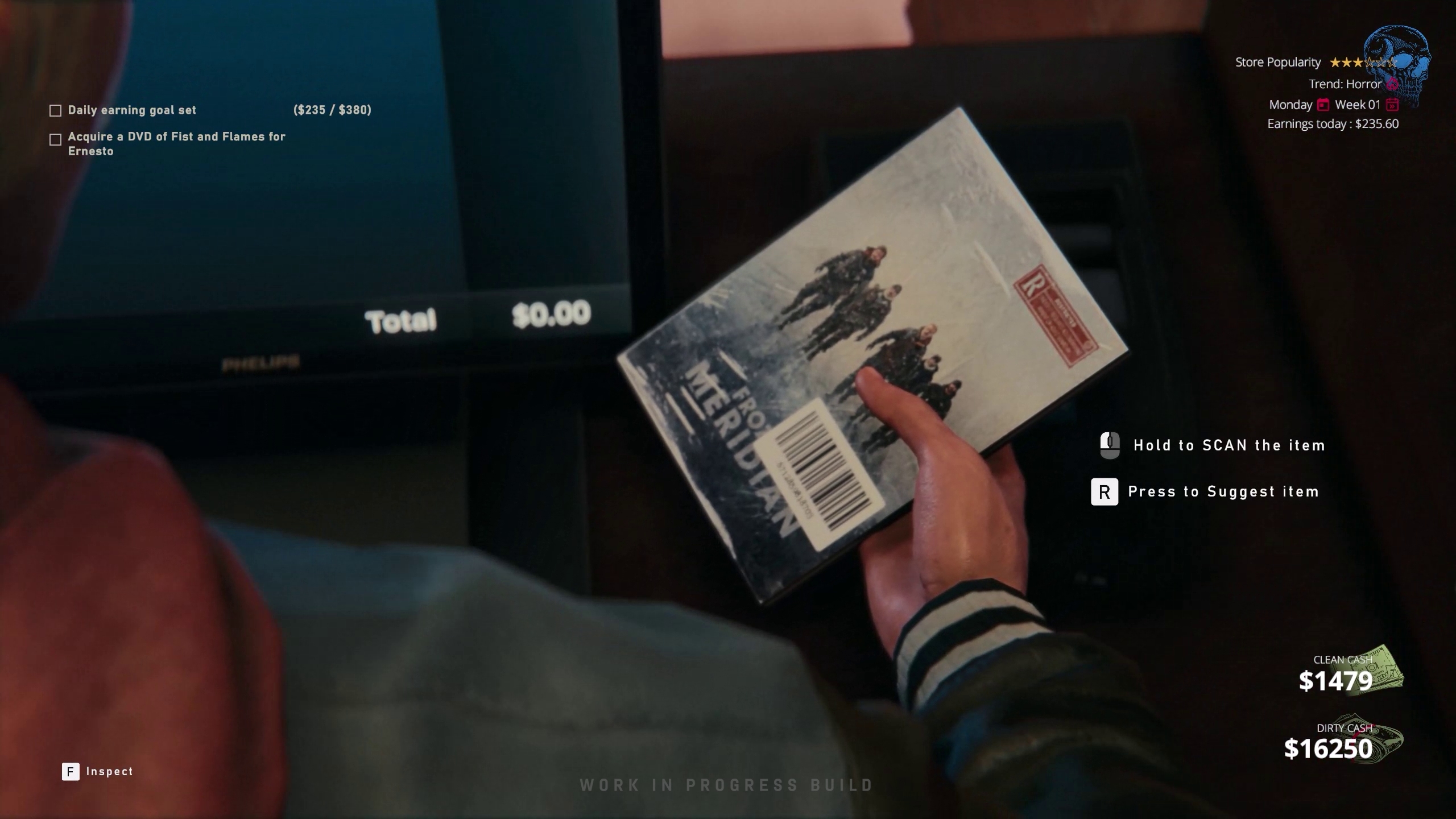
This is compounded by purely technical issues with the interface. In menus, moving the analog stick downwards can cause a menu item to skip, while switching between mouse and controller can completely break the game, and the controller may stop working properly in menus. These are minor flaws only in appearance, because, when accumulated, they convey a general sense of poor finish.
It doesn’t help that in certain situations it’s far from clear what the game wants from the player, especially during store management (for example, at the start, you’ll have to complete some "chores"... But what are "chores"? What are these tasks? What do I have to do? Who tells me?). Even with an active mission, the next objective isn’t always communicated clearly enough, and you end up wasting time trying to figure out which interaction the game expects.
The structure also presents some annoying rigidity: some videos cannot be skipped, a selected mission can’t be simply cancelled if chosen by mistake, and saving is tied to resting in bed. In practice, once a mission has started, players are often forced to carry it forward until a useful point where they can save — a difficult choice to justify in a modern game.
Graphics and performance
The art direction is probably the most curious case, because BLACKWOOD manages to be simultaneously pleasing and visually sparse. Light and shadow are often well rendered, backgrounds prove convincing in several instances, and the urban setting possesses a decent personality; indeed, when you pause to examine the elements in the background, the game also manages to offer pleasant glimpses. The DVD shop is also well characterized, with DVD covers that I can’t fathom how anyone could have detailed them in this way (indeed, yes, with artificial intelligence).
Then, however, you reach the characters, and the difference is almost embarrassing for a 2026 title. Models and animations appear unconvincing, with stiff faces and, above all, eyes that seem literally made of glass, lacking the naturalism necessary to support a production so heavily focused on the cinematic component. Some details are so clumsy they become perfect examples of the problem. In a sequence, a shutter rises, but the texture applied to the surface deforms along with the animation, with the lettering on the shutter visibly compressing and squashing, giving the impression that the material was simply compressed into space rather than following the movement accurately. Justifying the technical compromise in the name of accessibility is really difficult, because BLACKWOOD, at least on the configuration used for the test, runs over 60 fps at maximum detail without apparent difficulty, but does so while displaying models that seem to belong to a much less ambitious production. It might have been preferable to reduce overall visual complexity and invest more heavily in the quality of models and animations, rather than achieving an odd imbalance between subtle backgrounds and unconvincing characters.
Steam currently indicates DirectX 11 as the reference API, while DirectX 12 support is listed as an option for compatible hardware. In the copy sent to us for beta testing, there was a "build DX12" selection, but launching the corresponding version caused the game to crash: it was therefore not possible to consider it a genuinely usable solution.
There’s also a problem that, more than many graphical flaws, risks concretely undermining the experience: camera shake during walking. The camera movement is so persistent it feels physically uncomfortable; disabling it via the options should make it disappear, but in the version I tested, the behaviour didn’t change. After about an hour and a half of gameplay, the result for me was a pronounced level of nausea, to the point of requiring me to end the session. I’ve experienced something similar only with the Meta Quest (which I had to sell because I couldn’t use it due to nausea). For a third-person game, this isn’t a marginal issue, because visual comfort should be among the most basic settings and, above all, should be respected when the player explicitly chooses to disable an effect.
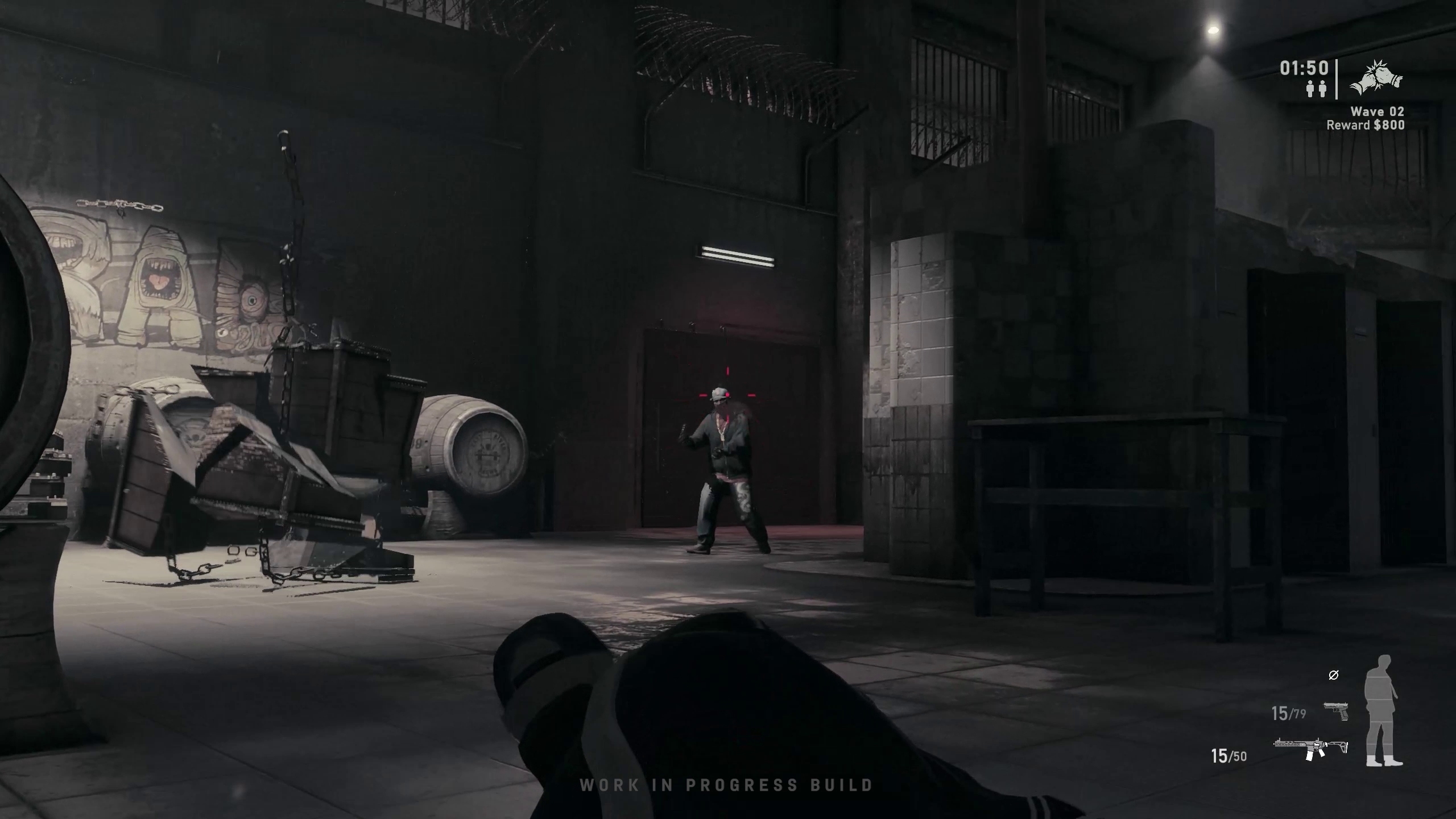
On sound and atmosphere, BLACKWOOD manages at least partially to regain ground. The setting has that air of cigarette smoke and gunpowder, and the idea of New York in 2012 — with the DVD store serving as a counterpoint to the nocturnal criminal underworld — possesses an undeniable charm (though the game could have exploited it much better). Some urban shots and the work on lighting also contribute to building the atmosphere.
Conclusions
BLACKWOOD had an interesting starting idea and a concept — at least in intent — that could evoke the noir action of the 2000s, but the result is too compromised by poorly designed systems, questionable controls, a sluggish and dull shop management, interface problems, and a number of technical flaws that, combined, become impossible to ignore. The most frustrating aspect is that we’re not facing a technically disastrous game in the traditional sense: the performance is good and some environmental elements have also succeeded, yet precisely because of this, it’s hard to understand how such a result was achieved with characters so poorly rendered, animations so rudimentary, and mechanics that seem to barely communicate with each other.
BLACKWOOD is a game that wants to appear much more refined than it actually is. The atmosphere is there, the underlying concept too, but everything else still seems halfway between a promising project and a title that would have needed several months of polishing before being presented as a finished product. Or, I’ll put it this way, is it the result of vibe-coding and heavy reliance on artificial intelligence?
There’s no denying the price is low. I don’t know the price for Italy on Steam, but the press kit states "Base Game: $24.99; Supporter Edition: $29.99 ($5 Upgrade - which will gain additional content as new Acts release)", especially if we consider that the game is conceived in three acts and that the second and third acts will be given for free to those who purchase the game at launch as downloadable content in March 2027 and December 2027 respectively.
About the Author