
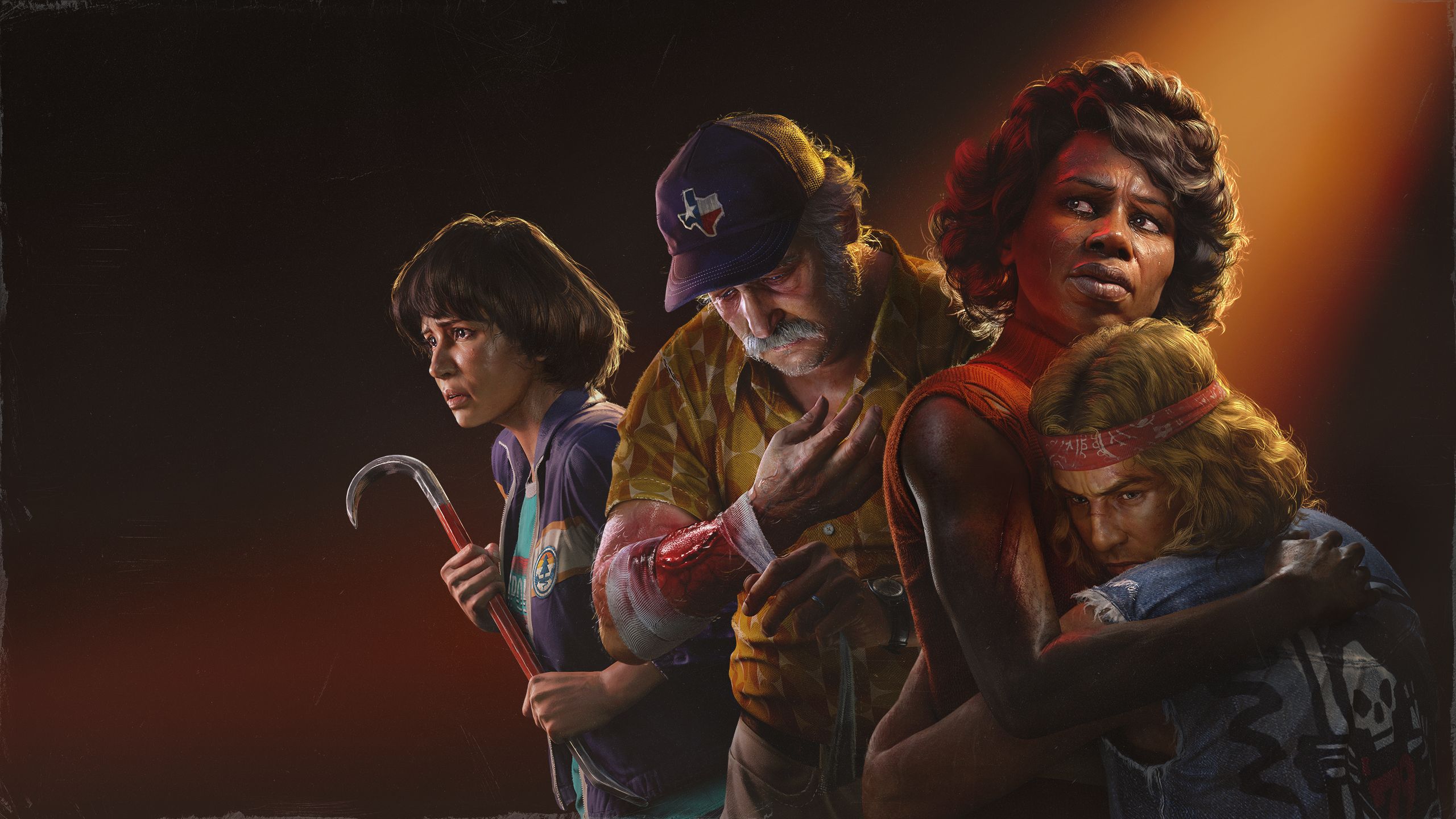
Amidst a sea of survival titles trying to capitalise on the undead’s success, Into the Dead: Our Darkest Days manages to carve out its own identity thanks to a real-time side-scrolling structure, a strong emphasis on strategy, and a very successful environmental storytelling. Developed by the studio PikPok, known for its previous mobile work, this project presents as an ambitious step forward in the PC and console worlds, and does so with a title in early access that already offers much, but which clearly shows room for growth and aspects still needing refinement.
This content is provided by YouTube. To view it, you must allow external content. Activation may result in data being shared with the third party.
Welcome to Walton City
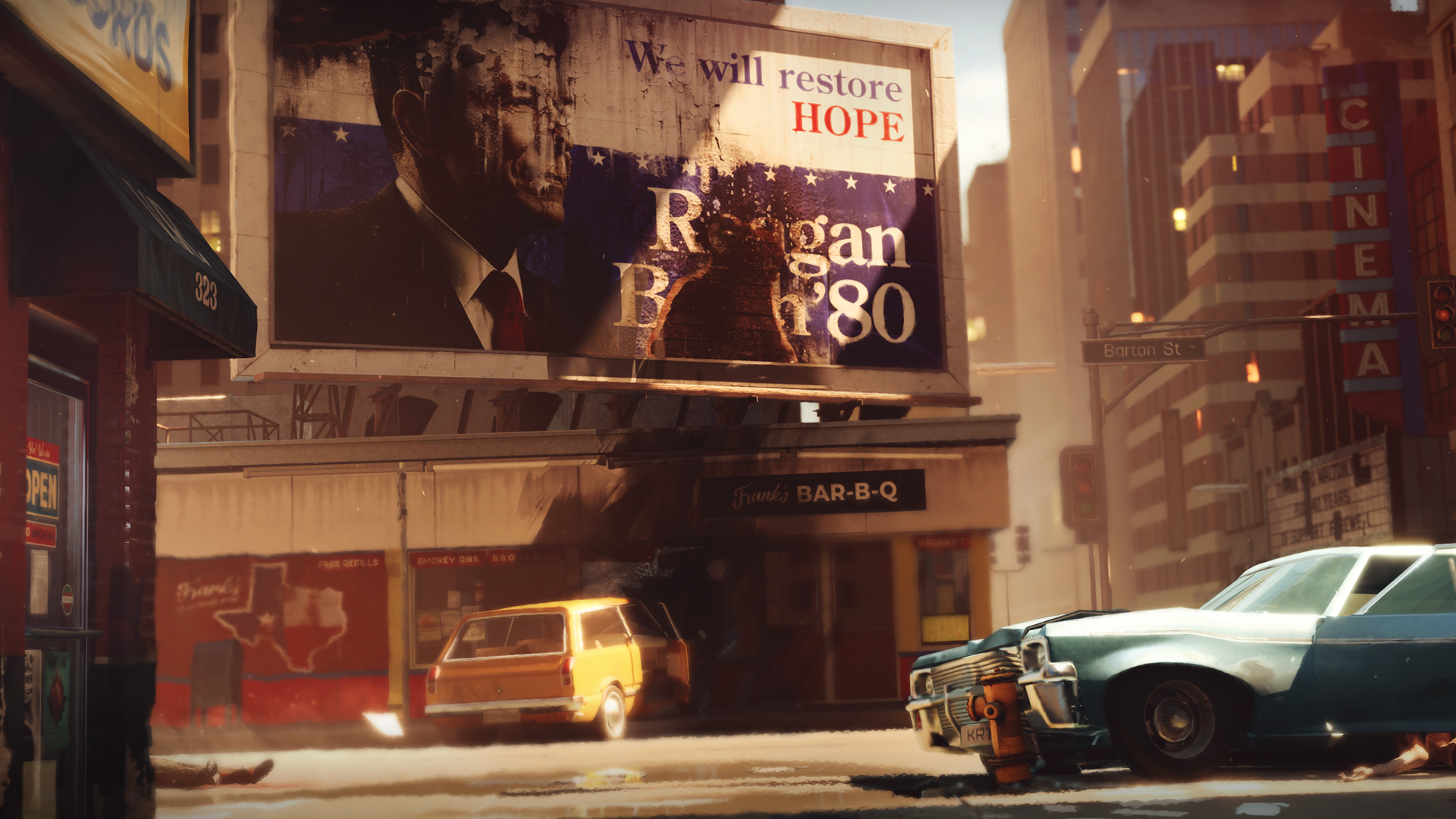
Set in Texas in 1980, the game throws us into a Walton City ravaged by a zombie epidemic. Once a vibrant, bustling coastal metropolis, the city is now reduced to a pile of ruins, scorched by an unrelenting summer and a total economic collapse (very similar to the summer awaiting us in 2025, probably). The few survivors — ordinary citizens caught off guard by horror — are isolated and left to fend for themselves. Our task will be to gather a group, fortify it, protect it, but above all, get it to safety, from shelter to shelter, in a flight that never guarantees a true destination.
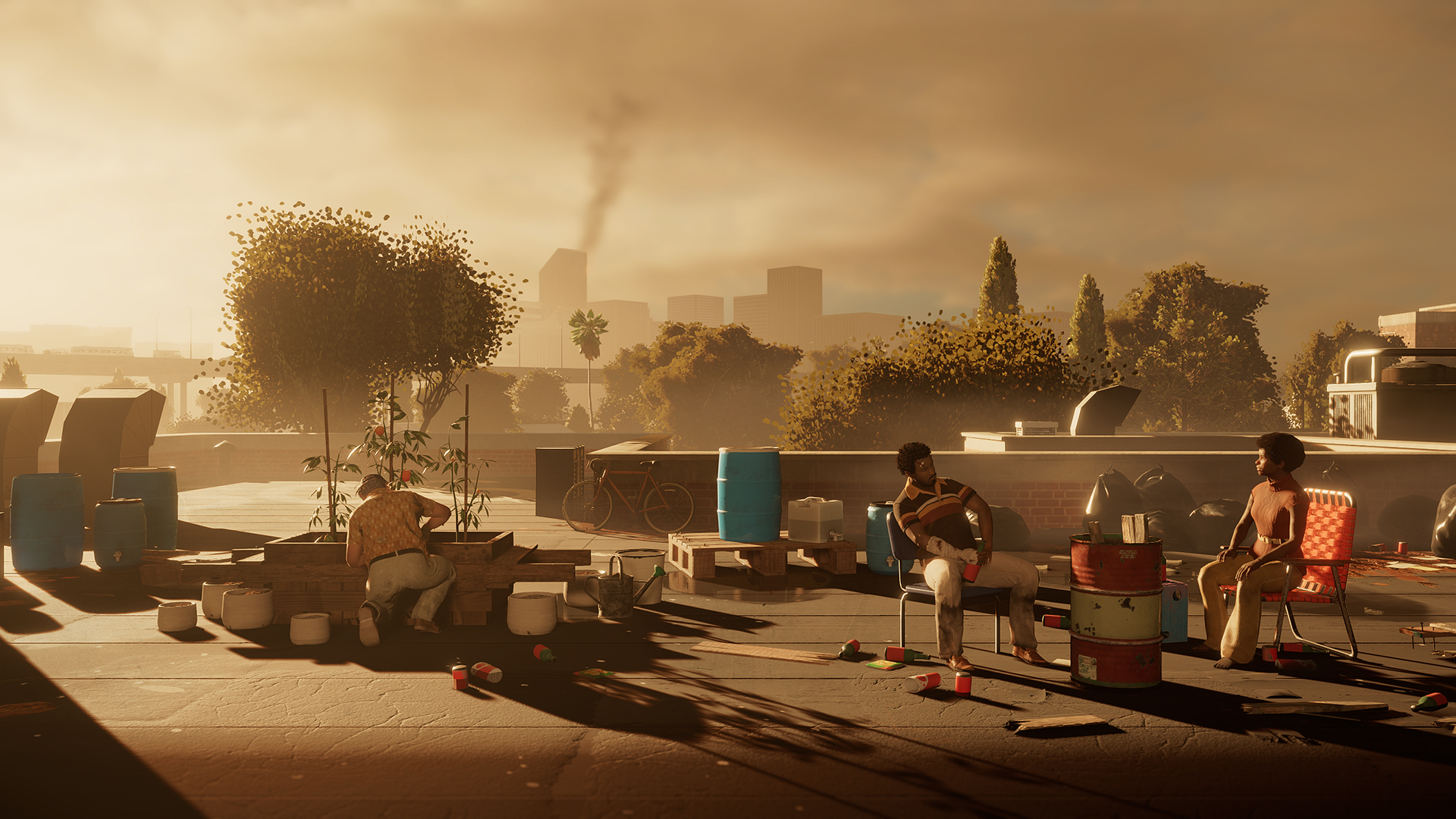
Into the Dead: Our Darkest Days deliberately abandons a traditional narrative built around films and guided dialogue to embrace a silent, visually powerful narrative approach. There is no linear "story" to follow, but rather a shattered world to explore, interpret, and live. Every building, every corridor, every corner is laden with implicit meanings: torn photos, destroyed rooms, disheveled beds, and traces of blood tell stories of broken families, impromptu escapes, and interrupted lives.
This choice, far from trivial, allows for the construction of a rich and evocative narrative universe, where the player becomes both explorer and storyteller. Some moments remain etched: the suppressed whimper that turns into a scream behind a closed door, or that female figure apparently weeping found in a blood-stained nursery. These are unsettling and moving fragments, capable of stirring deep reactions, without ever slipping into self-contained grotesquerie. A fine example of environmental storytelling well executed.
Dance slowly between life and death
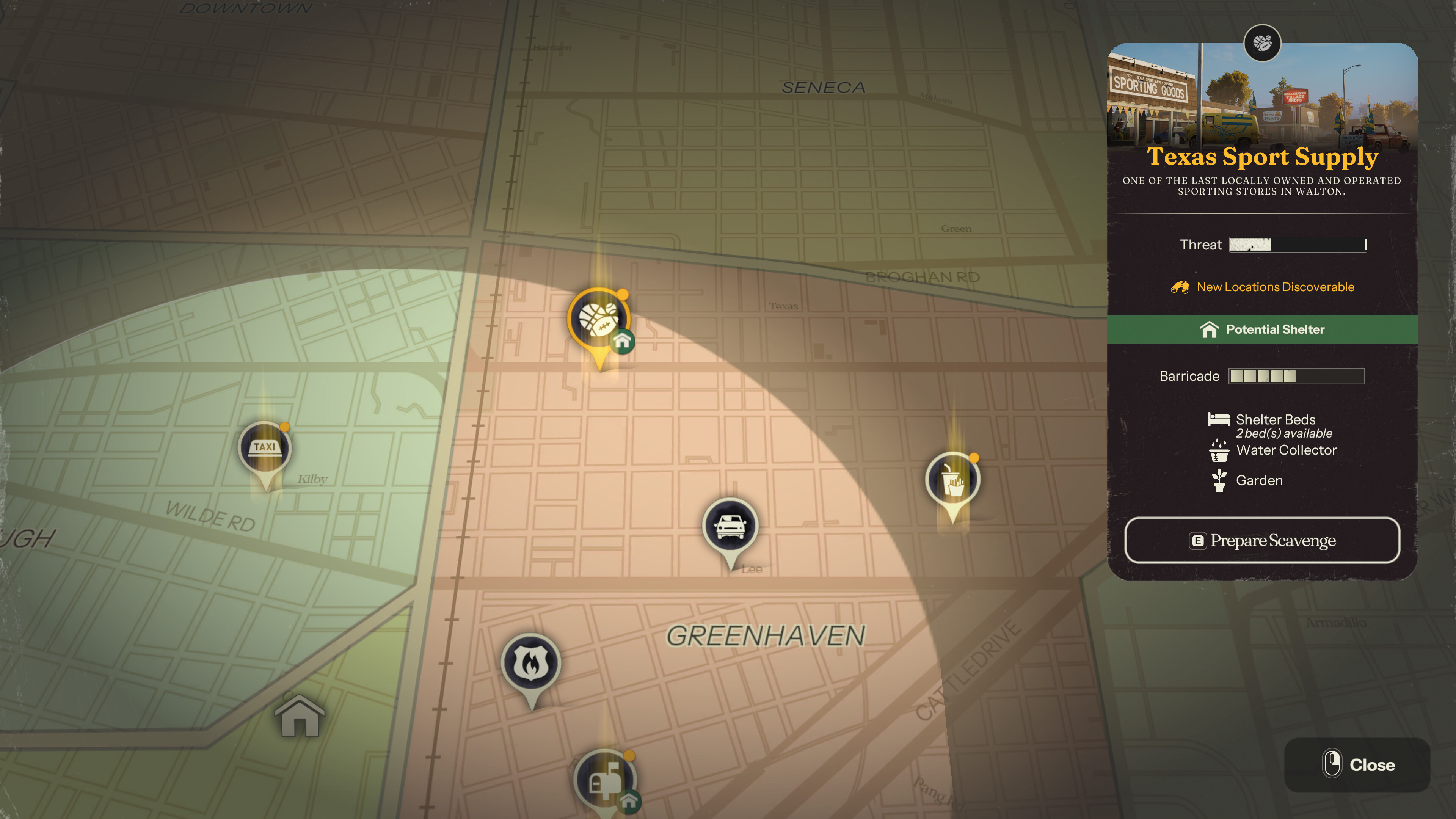
The gameplay of Into the Dead: Our Darkest Days is based on a cycle of exploration, survival, and resource management. The game asks the player to make critical and often painful choices: who to send on exploration? Who can afford to sleep? Who is psychologically breaking down? All while facing recovery missions, nighttime attacks, and moments of pure panic.
The stealth mechanics are the core of exploration. Moving crouched among the ruins of the city, choosing the best paths, avoiding or silently eliminating the undead is a constant exercise of tension. However, the system remains incoherent: silent weapons sometimes function perfectly, while other times they trigger an inexplicable alarm. The lack of clear indicators regarding sound and enemy visibility makes some situations frustrating rather than difficult.
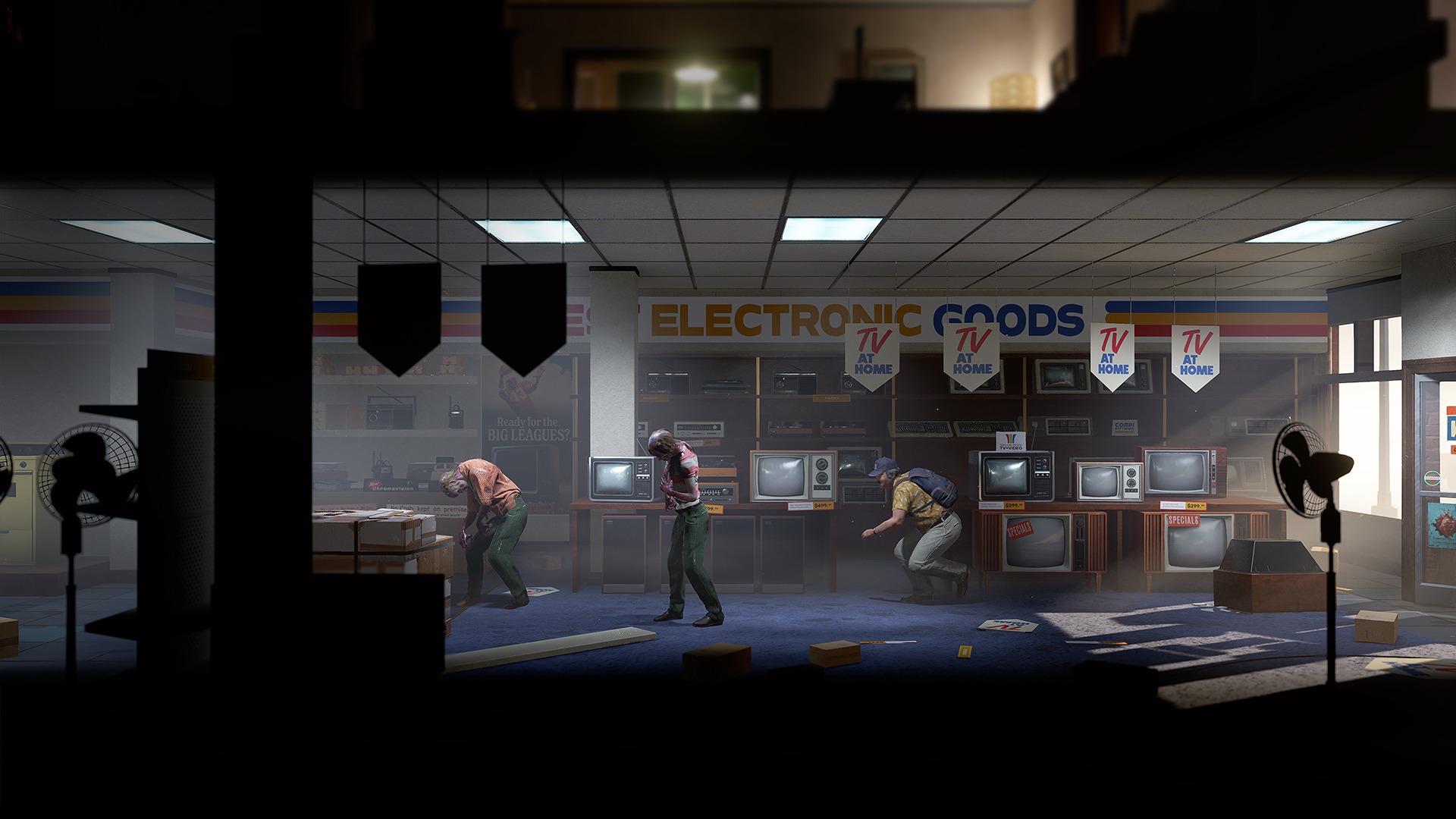
Fighting is the weakest aspect: wooden, imprecise and unbalanced. Some weapons appear harmless, while others are too effective. Object wear is realistic, but the instant breakage of knives or bottles creates imbalances that penalise especially those still learning the dynamics.
The shelter system, while conceptually interesting, ultimately proves repetitive and unengaging over time. Moving between shelters, managing resources, and dealing with nighttime raids is initially compelling, but the repetition and lack of variety in events risk undermining the sense of progression. Micro-management is excessive, and there’s no more intuitive system for quickly issuing commands to the group.
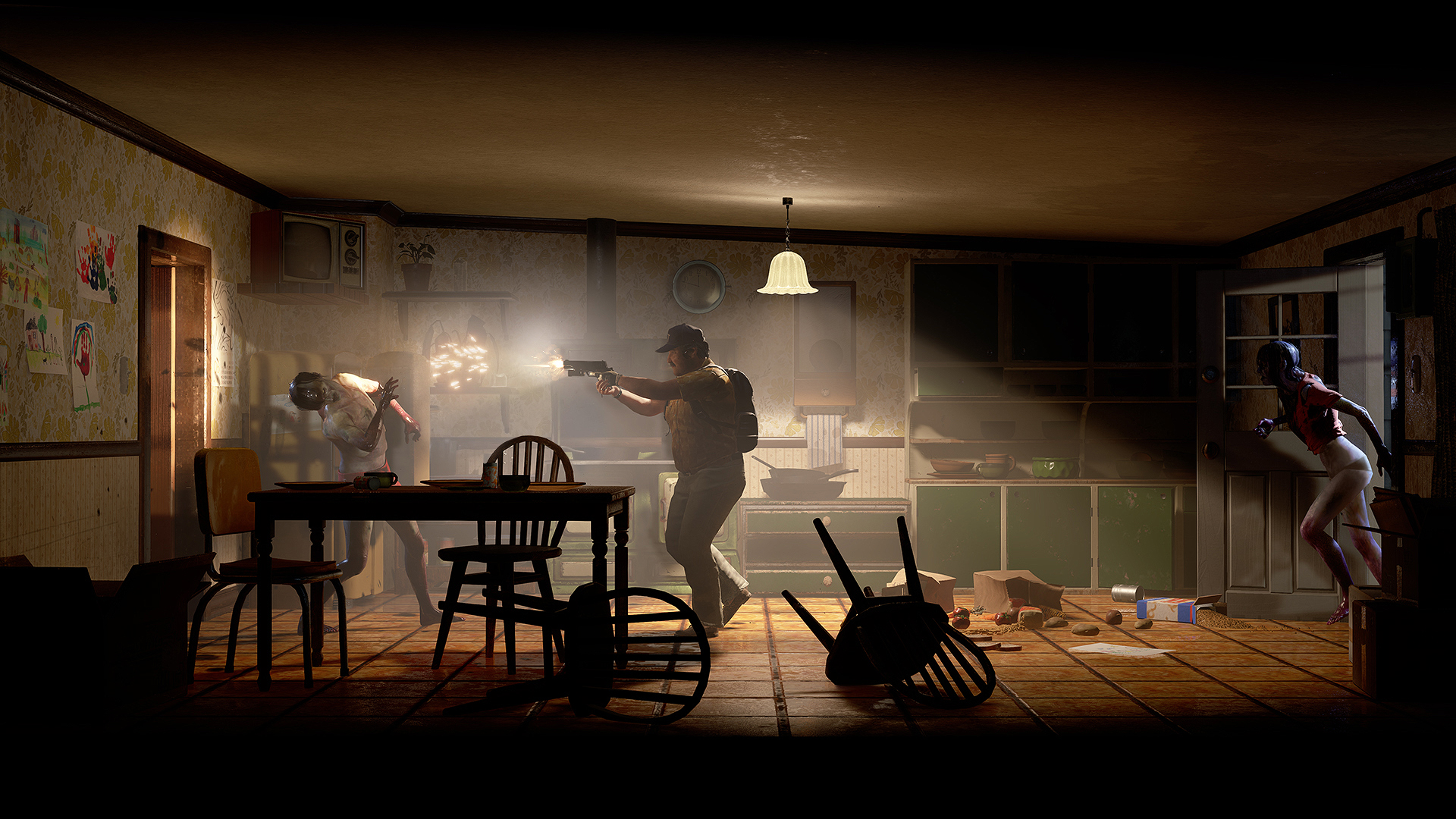
One of the game’s most successful elements is undoubtedly character management. The survivors are not action heroes, but ordinary people: mechanics, nurses, shop assistants, clerks. Each with unique traits, strengths, and weaknesses. Their humanity emerges not only in the statistics, but in their actions, glances, and silences. The permadeath mechanic amplifies the value of their lives, and choices become painful: leave a wounded companion behind, or risk everything to save them? Psychological management is another fascinating aspect, though currently only sketchy. The narrative potential is immense, and a few contextual animations or dialogue exchanges would give them even more depth. An excellent foundation to build upon.
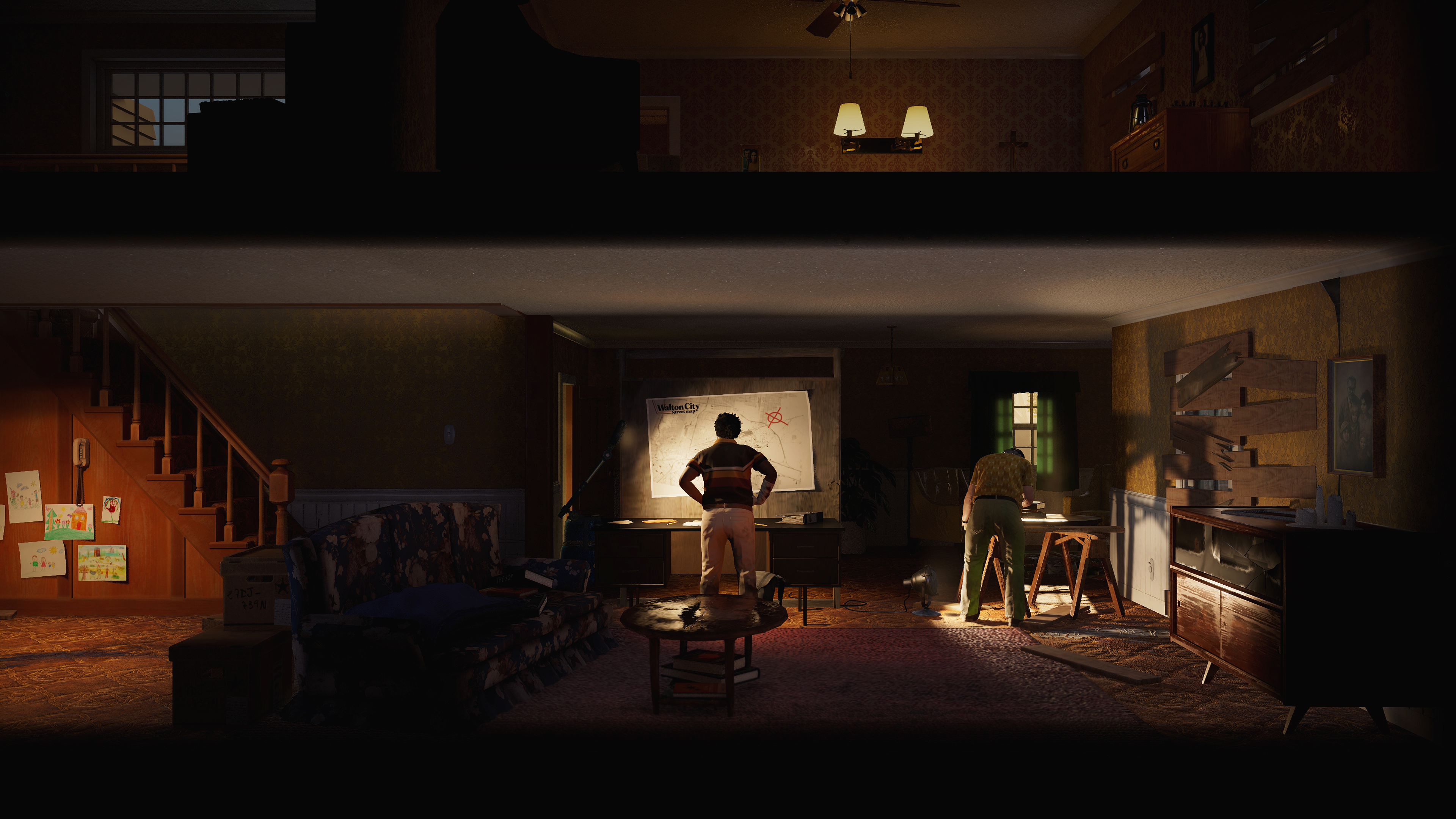
The audio department is then a true gem. The ambient soundtrack accompanies the action discreetly, amplifying tension and highlighting the most intense moments. Environmental sounds are meticulously crafted: the crackling of a broken object, muffled footsteps on a dusty rug, distant sirens, the broken voices of the undead. All contribute to creating a believable and oppressive world.
The visual aspect also has its charm, though compared to the initial demo, there’s a slight downgrade in graphics. Some effects appear simplified, grain is less prominent, and certain environments look flatter. Moreover, the performance is not always stable: even on high-end machines, frame drops and slowdowns occur. Optimisation is one of the priorities for the next updates.
Not (yet) the game of your nightmares, but almost
Into the Dead: Our Darkest Days is still in early access, and this is reflected in many aspects. Weather events are missing, there’s no interaction between shelters, a wider variety of enemies is lacking, and a functioning trading system is absent, despite the presence of clearly barter-designed items. Repetition is one of the main problems: after the first few hours, the game loop settles into a predictable routine. Even the narrative, though atmospheric, risks losing its edge without a stronger narrative push or a dynamic event system. Nevertheless, the roadmap is clear, updates are regular, and the potential for growth is enormous.
The title already offers a lot, and has the potential to become something truly special. Its atmospheres, attention to environmental detail, character management, and slow but engaging pace make it a unique offering in the survival genre. At the moment, it’s a raw, fascinating, and sharp gem that demands patience and dedication. But with the right support and listening to the community, PikPok holds a title that could leave a deep mark on the zombie survival genre.
About the Author