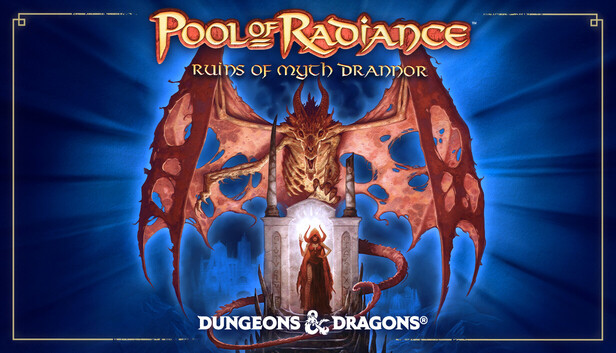
There are role-playing games that manage to capture you from the very first minutes, gradually guiding you through their mechanics. Then there are titles like Pool of Radiance: Ruins of Myth Drannor, which seem to want to test the player’s patience before even giving them time to settle in. Developed originally by Stormfront Studios and set in the Forgotten Realms, this RPG takes you into the ruins of Myth Drannor, one of the most famous cities in the Dungeons & Dragons universe. The 2026 re-release brings back a 2001 adventure, attempting to make it more accessible to modern players. The result is a distinctive experience, with some interesting ideas and a clear identity, but also several aspects that risk alienating those unfamiliar with this genre of productions.
A start that doesn’t hold back
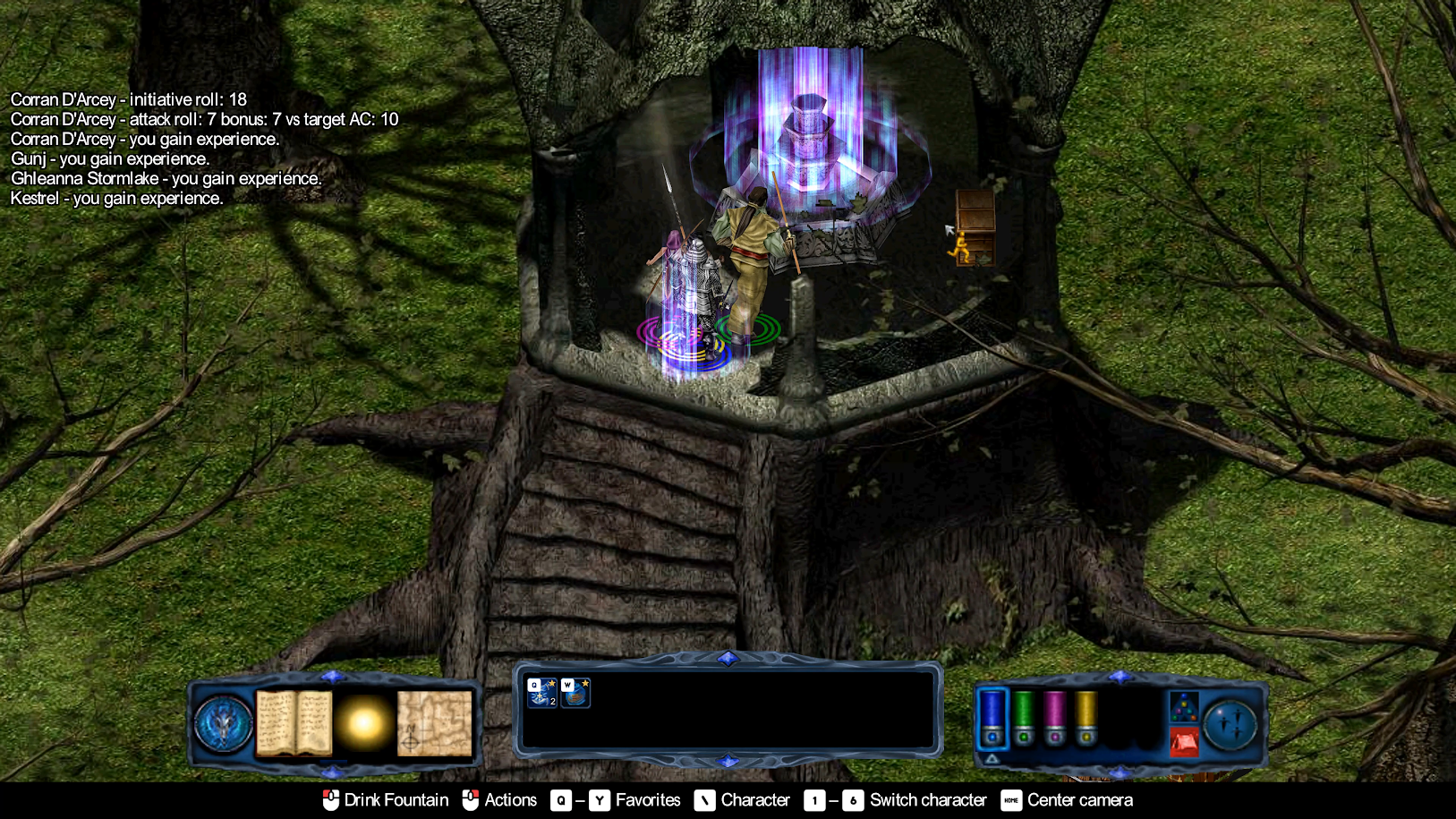
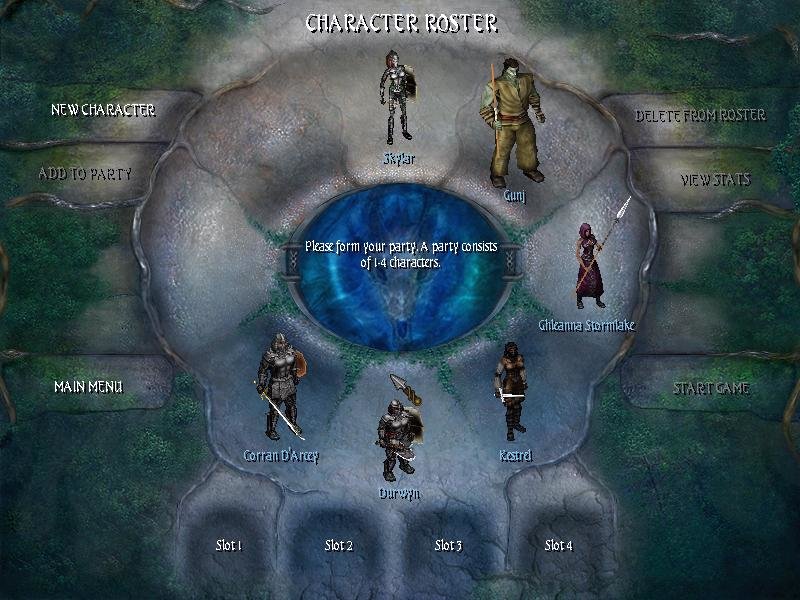
The first thing I did was create my character and assemble a group of adventurers. Once exploration began, however, I found myself facing an experience decidedly more immediate than I had imagined.
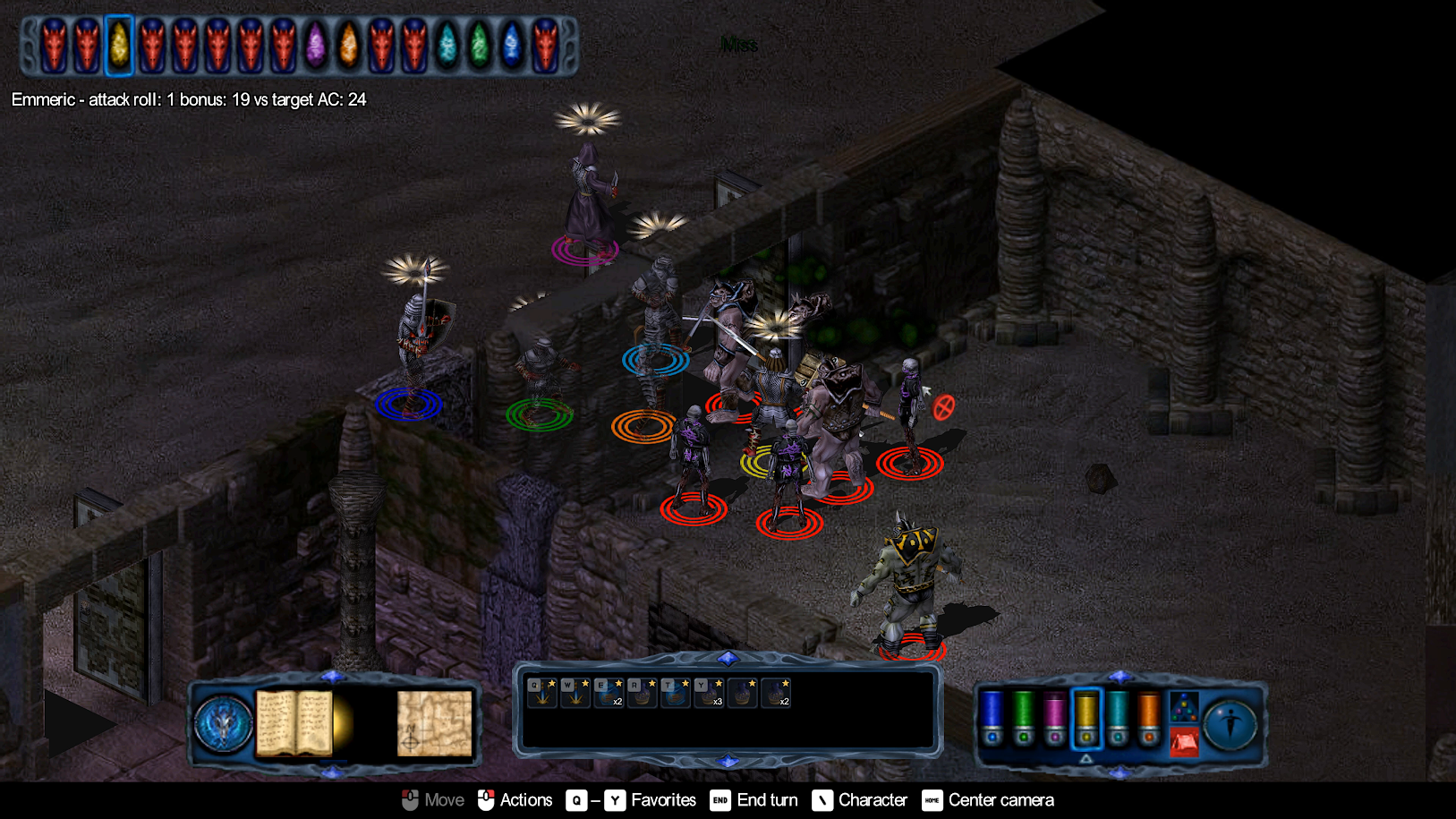
The game doesn’t offer much guidance in understanding its mechanics, and, especially at the start, it can be difficult to grasp how to properly handle combat. I found myself missing attacks on several occasions, while opponents managed to inflict heavy damage in very few moves. The Orcs encountered in the early stages were a rather eloquent example: a few well-hit shots from them were enough to seriously trouble the group.
It’s not necessarily a flaw that an RPG requires attention and planning, quite the opposite. The issue is that the learning curve seems quite steep, and the game doesn’t always clearly explain what’s happening. One moves from the desire to experiment to the feeling of not yet having the tools needed to face what’s presented.
Tactical combat and freedom to build your own team
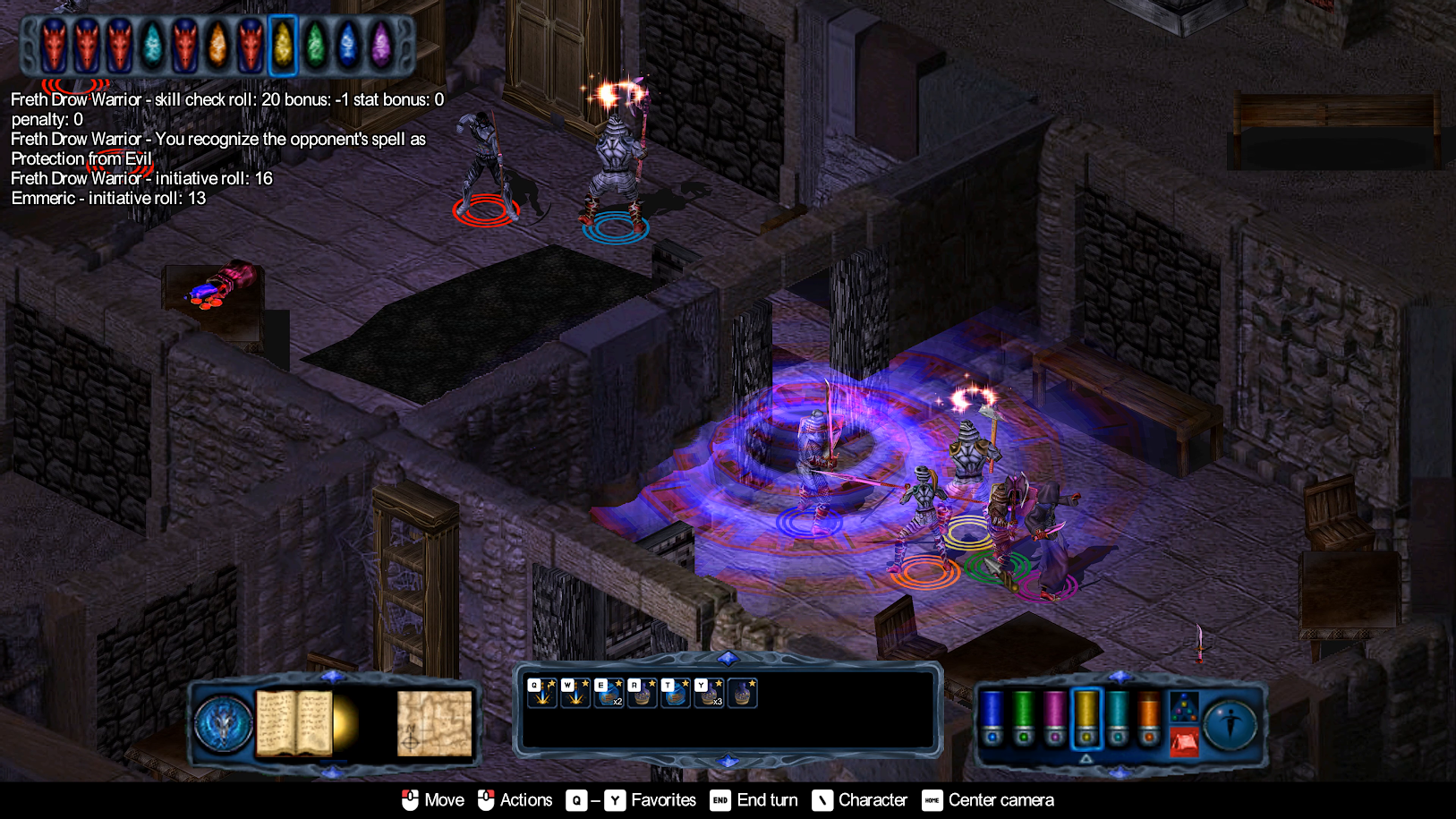
The heart of the experience is represented by turn-based combat, based on the rules of the third edition of Dungeons & Dragons. Positioning, abilities, spells, and character management should turn every encounter into a small strategic challenge.
On paper, and especially for those who enjoy the most classic RPG systems, the mechanics certainly have potential. The ability to create a group with characters belonging to different classes allows for experimenting with various combinations and facing battles with different approaches. Warriors, mages, thieves, and other specializations help give the party a clear identity. It’s not enough to select an enemy and attack: you must assess distances, exploit the abilities of your group members, and carefully decide how to use your own resources. It’s precisely this strategic component that represents one of the game’s most interesting aspects.
In practice, at least in the early stages, the system can feel unintuitive. Missed attacks and the fragility of low-level characters make some battles frustrating, especially when you haven’t yet fully grasped how the stats and party options work.
The allure of the Forgotten Realms
If there’s one thing that continues to work, it’s certainly the setting. Myth Drannor isn’t just any place: it’s a city with a significant history within the Dungeons & Dragons universe, and the idea of exploring its ruins, uncovering its secrets, and facing the creatures that inhabit it represents a decidedly fascinating premise.
The game manages to evoke that sense of adventure typical of the old fantasy role-playing games, where every new environment can hide a danger, a treasure, or an unexpected encounter. For those already familiar with the Forgotten Realms, rediscovering this universe represents added value, while for newcomers it may be an opportunity to get acquainted with an important part of the video game history of D&D. The exploratory component also has its reason. Delving into dungeon, preparing the group before a fight, and attempting to understand how to overcome obstacles brings back that sense of adventure and progression that many RPG moderni have partially sacrificed in favour of more guided experiences.
Naturally, one must reckon with a structure heavily focused on exploring dungeon and combat. Those expecting an adventure rich in dialogue, memorable characters and narrative choices might find the experience more limited compared to that offered by other major titles in the genre.
A remaster that improves playability, but doesn't change the past
One of the most important aspects of this new version concerns the attempt to make the game more accessible. The re-release introduces improvements such as contextual suggestions, an action bar, the ability to adjust combat speed, and controller support. These updates are useful, especially considering the troubled history of the original title, remembered for its numerous technical issues. These updates help make the experience more accessible and demonstrate the intention to revive a classic without merely re-presenting it exactly as it was.
You shouldn’t expect a radical transformation. Some rigidity, the repetitiveness of combat, and a certain mechanical feel remain part of its identity. It’s still a game born over twenty years ago, and this is perceptible in various aspects of its structure.
Conclusion: an interesting return, especially for fans
Pool of Radiance: Ruins of Myth Drannr is a title that demands patience, but one that retains some elements capable of making it interesting even today. The combat system has a solid tactical foundation, group creation offers interesting possibilities, and the setting of the Forgotten Realms represents an important callback for those who love fantasy and the universe of Dungeons & Dragons.
Personally, in the early hours, I haven’t yet found that rhythm that allows me to fully enjoy the adventure. The difficulty of the fights, the lack of immediate feedback from some mechanics, and the feeling that I need to learn a lot simply to survive make the start more gruelling than expected.
At the same time, however, there’s something that pushes you to keep going: the curiosity to discover what lies hidden in the ruins of Myth Drannor, improve your group, and truly learn how to make use of the possibilities offered by the D&D system.
It’s not a game to dismiss outright, especially for those who enjoy old isometric RPGs and the rules of Dungeons & Dragons. However, those seeking a modern, immediate, and narrative-rich experience might be disappointed.
The return of Pool of Radiance is an opportunity to rediscover a piece of PC role-playing game history. It’s not a perfect revival, but it retains a particular charm that might appeal to those willing to look beyond its age and rigidity.
About the Author