
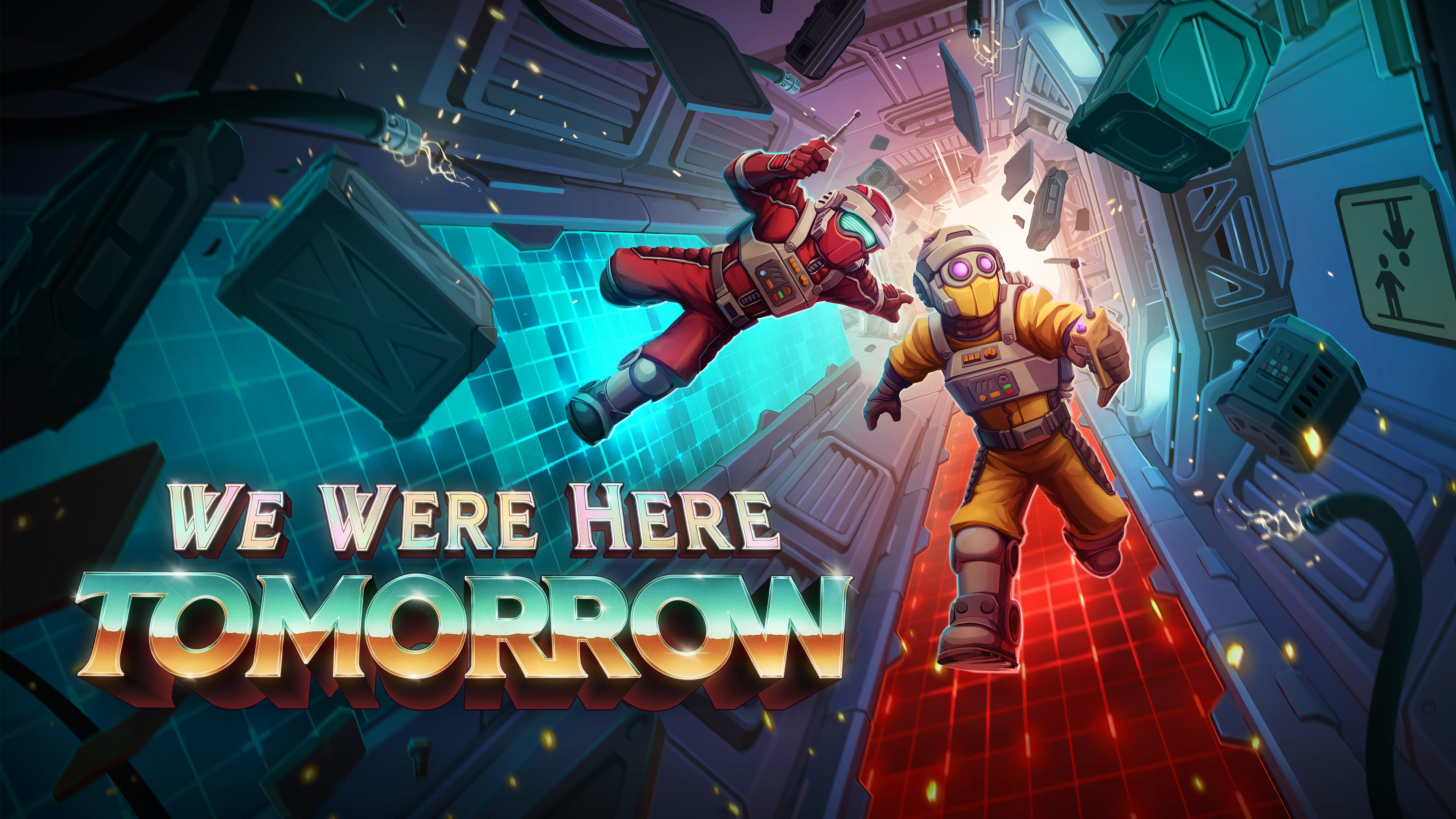
The review of We Were Here Tomorrow begins with a simple question: is the new chapter of the series puzzle co-op from Total Mayhem Games an evolution or a misstep? We Were Here Tomorrow is the most ambitious chapter of the saga: bigger, more colourful, more “modern”. And it’s precisely here the problem lies. For years, the trademark of We Were Here has been a walkie-talkie, two players separated and a frozen castle in which one describes and the other solves. In Tomorrow, the walkie-talkie is still there, but often you end up talking to it while standing beside each other. We played We Were Here Tomorrow on PC and the answer, as you’ll see, lies a bit in the middle.
We Were Here Tomorrow: game card, price and duration
| Developer / Publisher | Total Mayhem Games |
| Release date | 20 October 2026 |
| Platforms | PC (Steam), PS5, Xbox Series X|S, with crossplay |
| Price | 19,99 € (10% discount at launch); also available as a Fan Edition with DLC and soundtrack |
| Genre | Asymmetric co-op puzzle, online for 2 players only |
| Requirements | Microphone and connection required; both players must own the game |
| Duration | Between approximately 8 and 14 hours |
From the castle to Norček Industries
The premise of the plot of We Were Here Tomorrow is simple: during a rescue mission to Antarctica, the two Explorers become trapped under ice. Upon waking, the world is no longer the same as before, and they find themselves inside a facility of Norček Industries, where Director Kathleen Bowe welcomes them with a task: complete the work of a research team that vanished into nothingness, because a global crisis looms on the horizon.
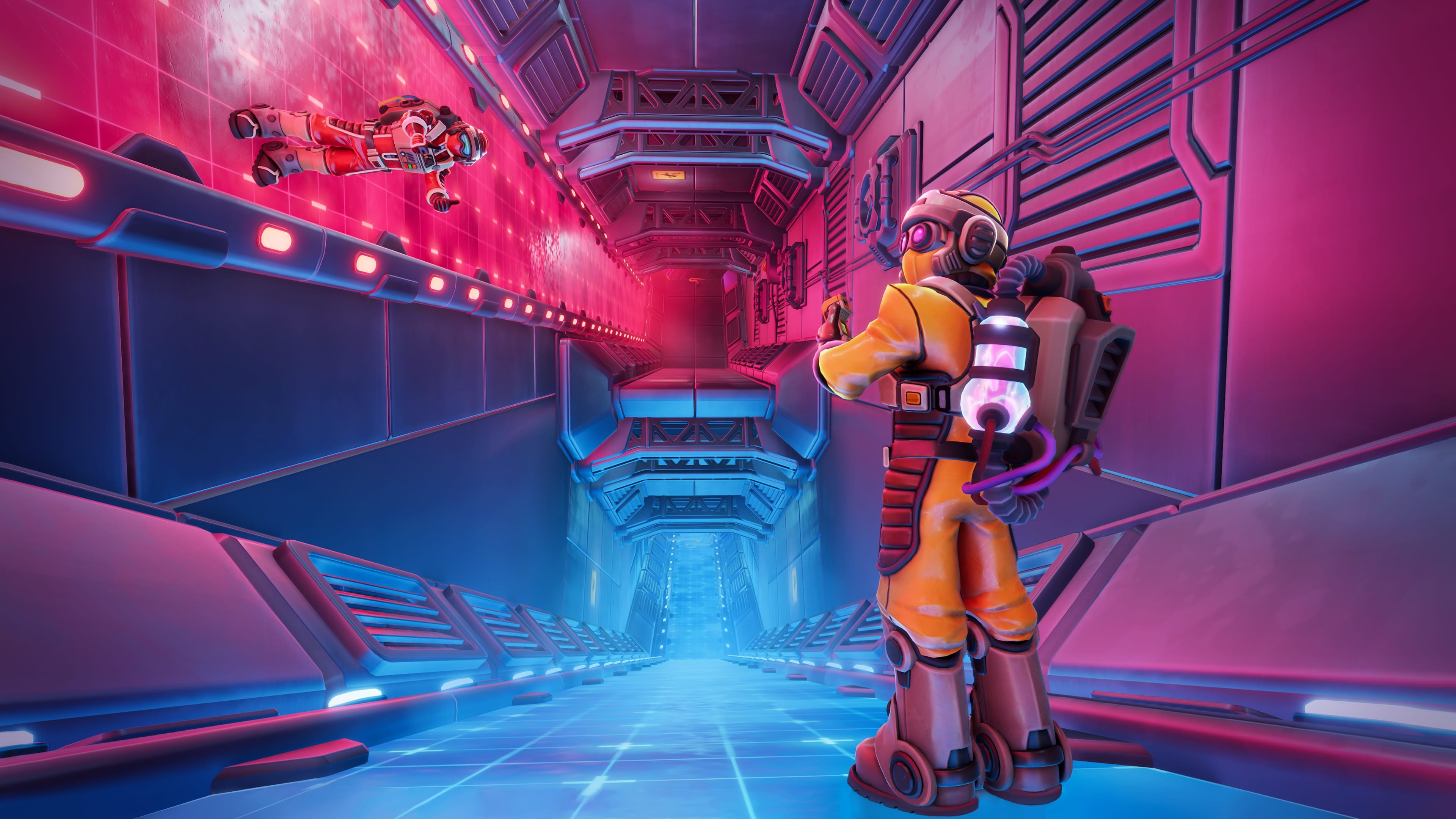
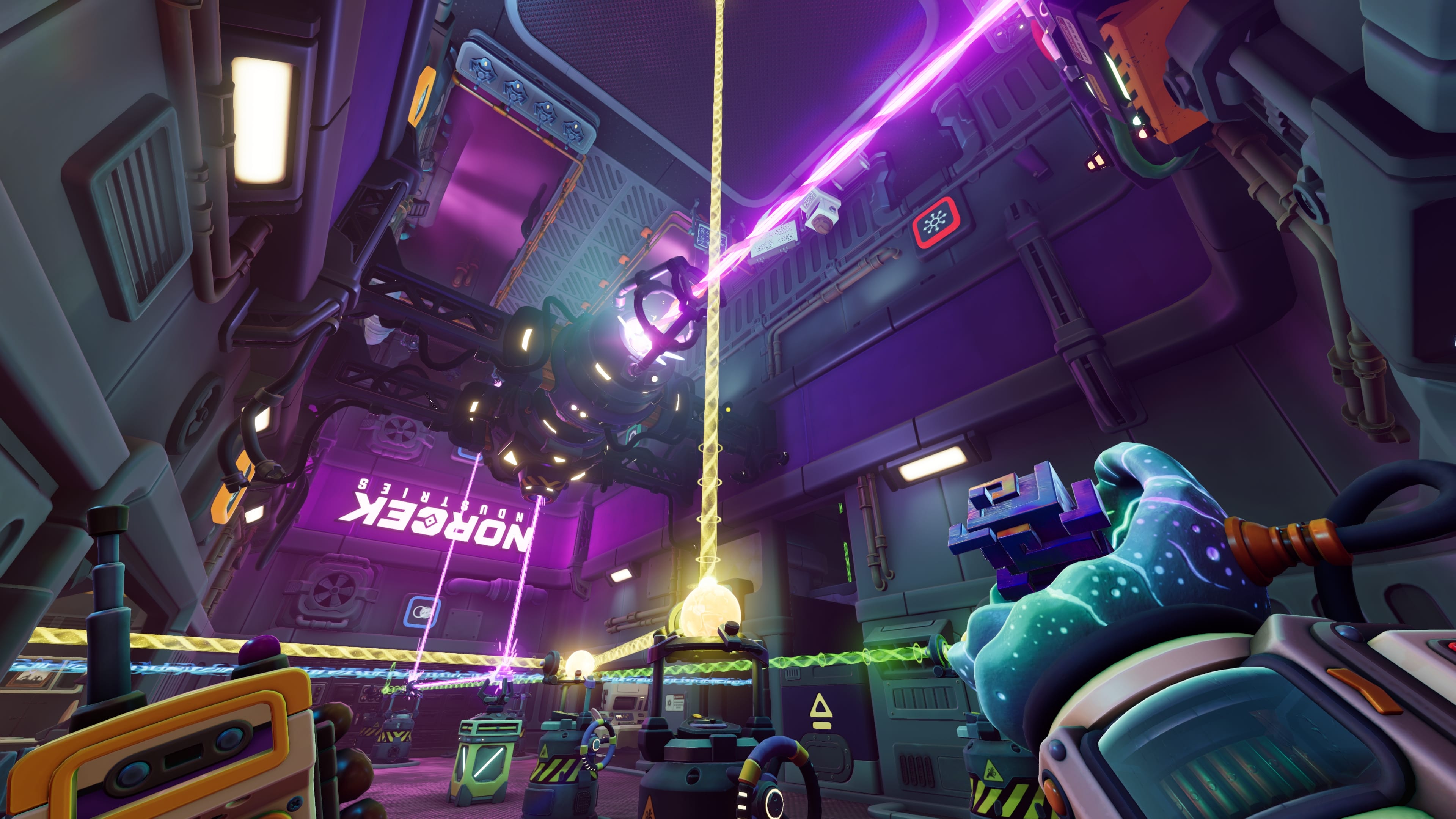
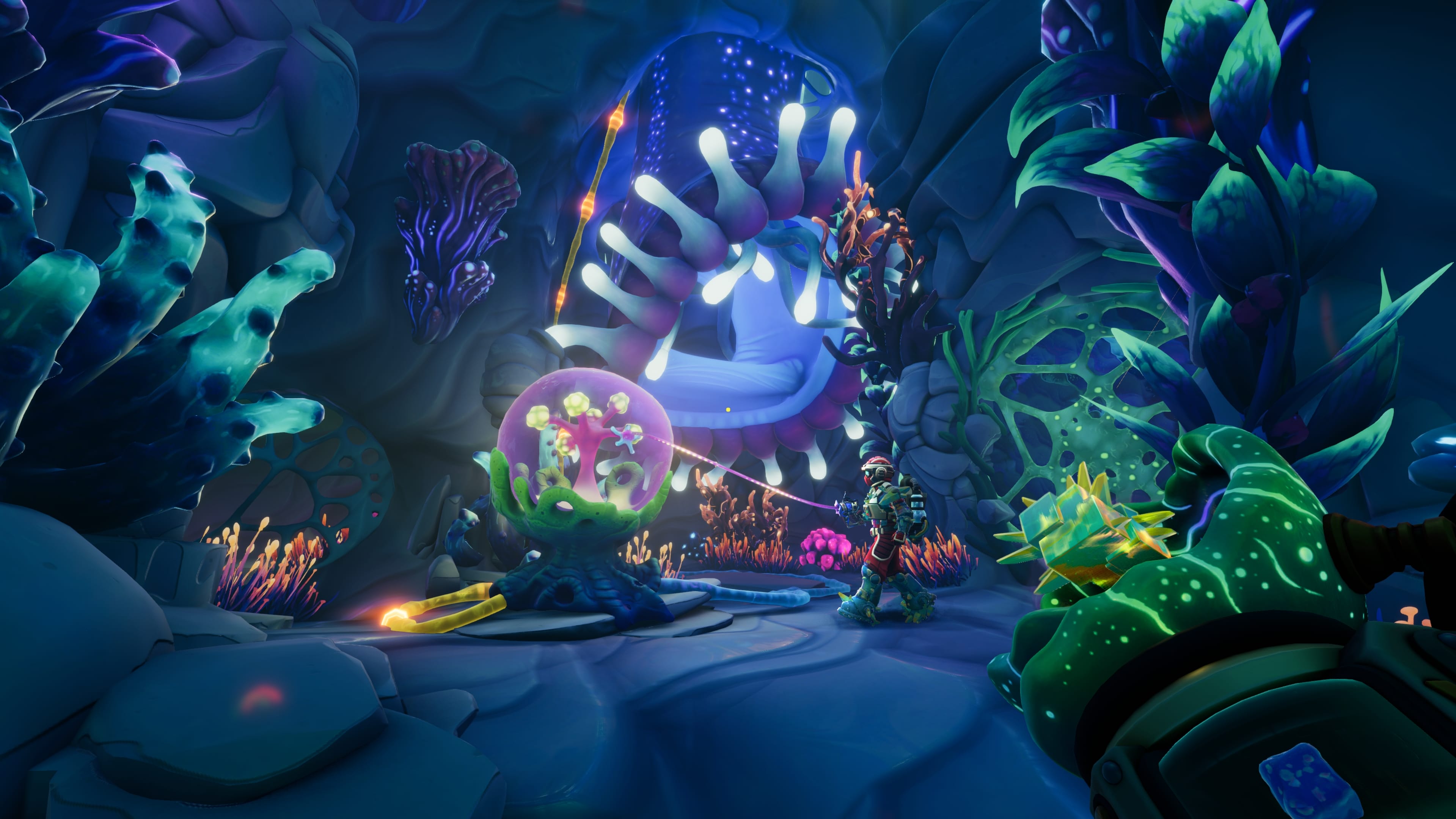
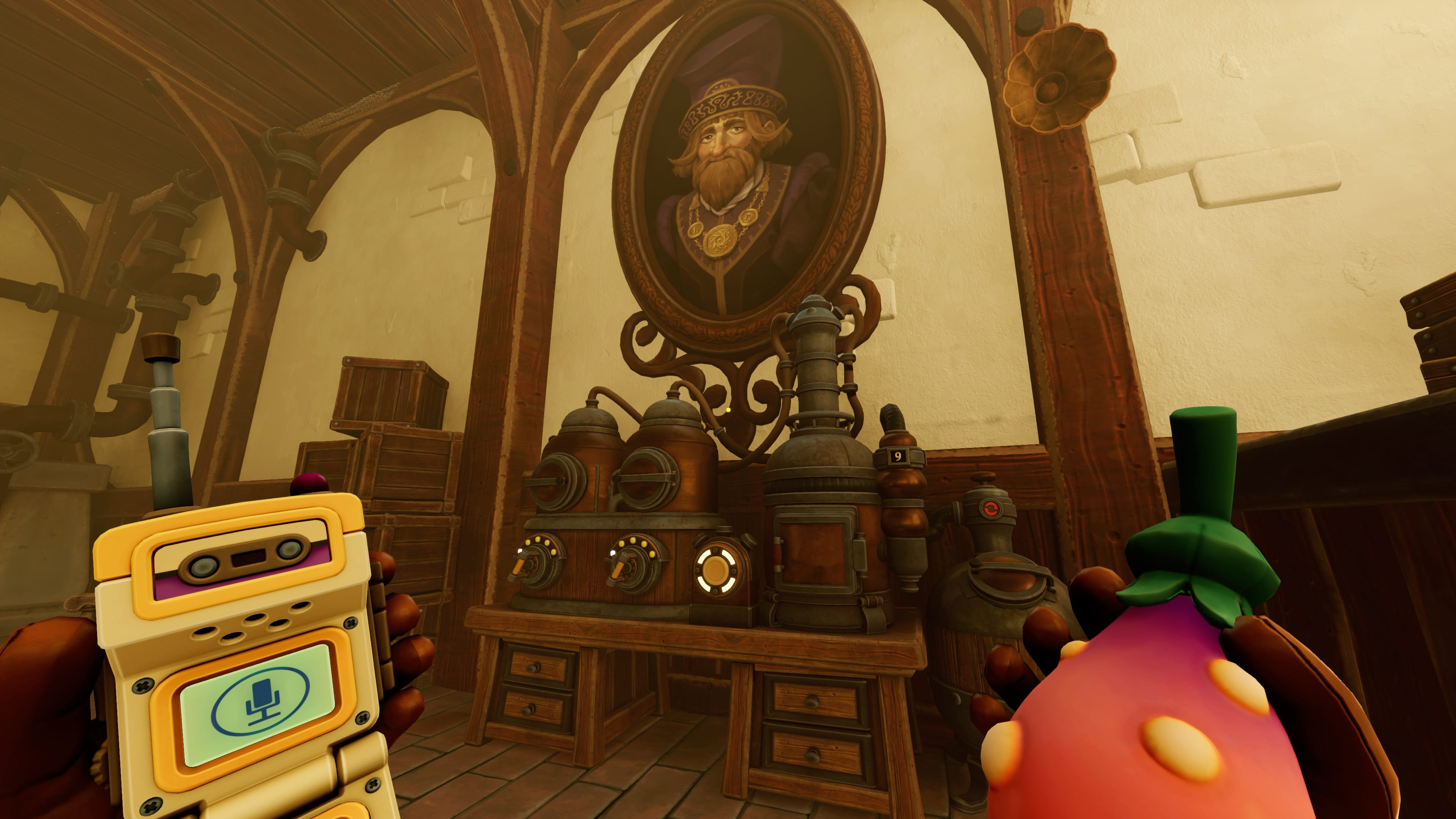
The shift in direction is clear. Goodbye medieval castles, torches and gloomy atmosphere: Tomorrow embraces a retro-futuristic 1980s setting filled with colourful labs, gravity experiments, time travel and a synthwave soundtrack. On paper, the idea is appealing and visually works reasonably well.
The story, however, arrives almost entirely through notes, audio recordings and the Director’s voice on the radio, who speaks a lot and not always relevantly. More than once we’ve found her unbearable, and on several occasions we’ve noticed a somewhat forced resemblance to Portal: the ambiguous scientist, the constant voice in the ears, the “save the world” storyline. References to the previous chapters of We Were Here are there and we enjoy them, but the sense of mystery and isolation that made the series special here is almost entirely lost.
Personally, the point is this: in We Were Here, the story was implicit and precisely for that reason it stuck with you. Here, it’s explained so thoroughly that the intrigue is truly minimal.
Rampino, GoopGun and whoever’s holding the button
The biggest novelty of the gameplay of We Were Here Tomorrow is the Abilities: each player receives a different high-tech tool. On one side there’s the Rampino (Hook), a kind of claw for grabbing and dragging objects; on the other the GoopGun, which creates blocks usable as platforms. Both receive upgrades throughout the adventure, such as the ability to electrify cables or to use the rampino to move around.
The developers have explained on the official subreddit that they’ve divided the game into two types of moments: the Challenges, based on tool usage, and the Puzzles proper, those “at We Were Here”. They also wanted to give Explorers more agility, with jump and climb, for those who don’t want to stay still while the other speaks.
The problem is the balancing. One of the two tools is used far more than the other and even receives an extra boost. Guess who spends half the game holding buttons pressed or simply removing themselves from the equation? The first half of the game is more of a labyrinth to traverse with the new gadgets than a series of puzzles: you walk a lot, pull a lever, open a door, and then the little tune of "puzzle solved" starts playing. What’s the point?
The result is that the platform component and "Portal" are giving way to the escape room co-op one, which is why many of us loved the series.
The puzzles: when they work, they work
Clear: among the enigmi di We Were Here Tomorrow there are some ottimi. The laser puzzle, the generatori e dei cavi (with the three large batteries to be managed on the wall at the back, community advice), the loop temporale and the piante puzzle in the past and the future are among the best ever seen in the series. No explanation is given; you figure out the mechanism by trial and error, and the difficulty rises steadily. Exactly as it should be.
The problem is, unfortunately, everything else. Too often, the game fails to communicate what it wants from the player. You spend half an hour, sometimes more, wandering around a room without even understanding the objective, trying everything randomly, and at some point, something clicks. Many players report solving entire sections by luck, without knowing what they’d actually done. The most glaring example is the G-46B puzzle in the Temporal Research Center: it’s so unclear that even the developers had to provide extra hints on Reddit and Discord. Some managed to finish it without understanding it, even after reading the solution.
Less separation, less communication
There’s also the theme of separation. In previous chapters, each was in a different location and communication was everything: “What do you see?”, “Describe me the symbol”. In Tomorrow, you’re almost always together or see each other through a window, and in several puzzles, information arrives to both via teleportation forward and backward. There’s less talking, so there’s less cooperation. This also removes replayability: previously, you could play again months later with swapped roles and it felt like a new game; here, you’ve seen almost everything the first time.
Variable gravity and motion sickness
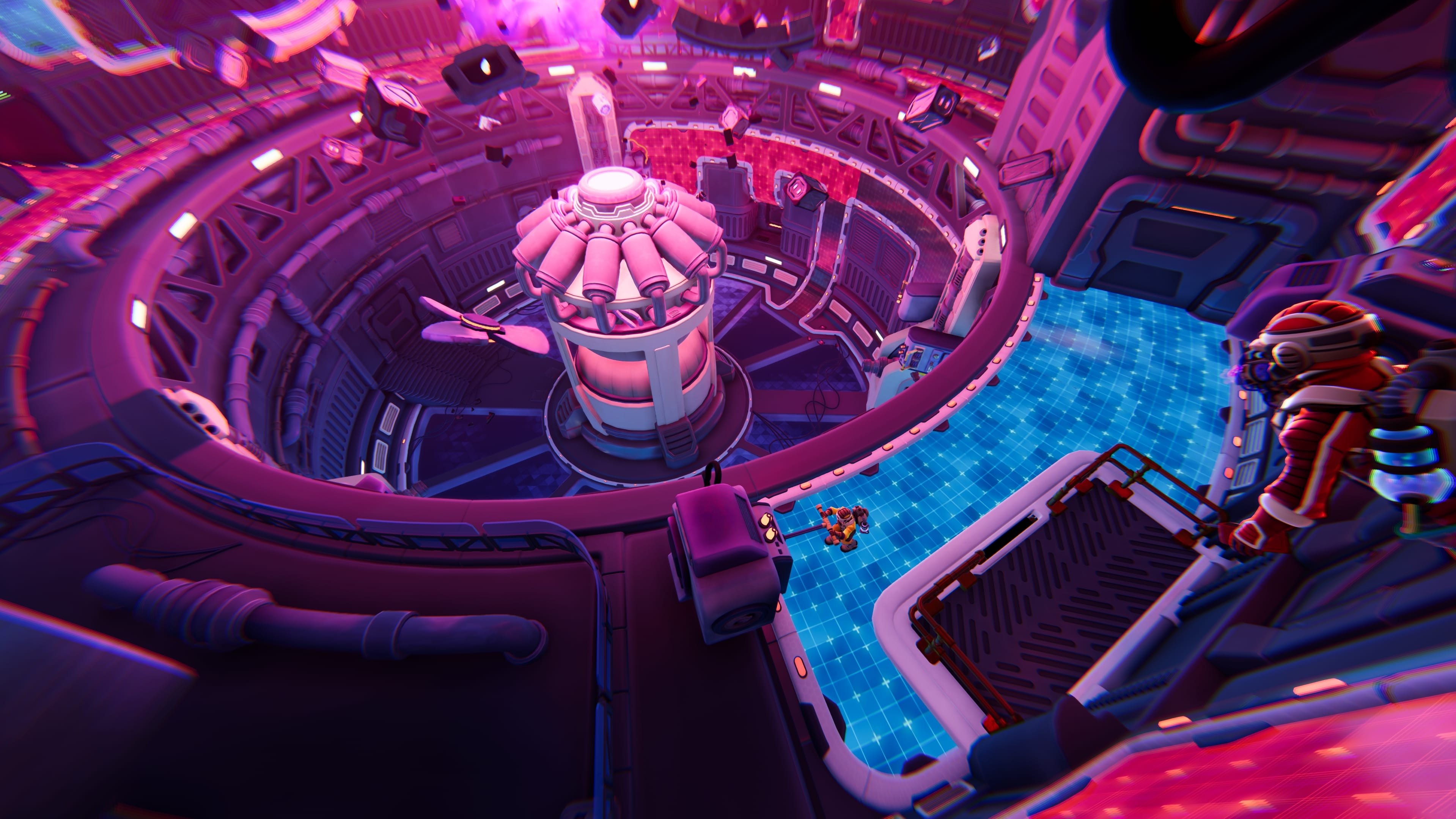
There are also the variable gravity rooms. Visually, they are the standout feature, but levels upside down, the spiral before the flipped room, and sections with changing gravity have caused sickness and headaches for many players. Those who suffer from motion sickness should be warned. Additionally, according to some players, there’s a door that opens using the emotes. In a puzzle game. Yes, really.
Bugs and technical issues
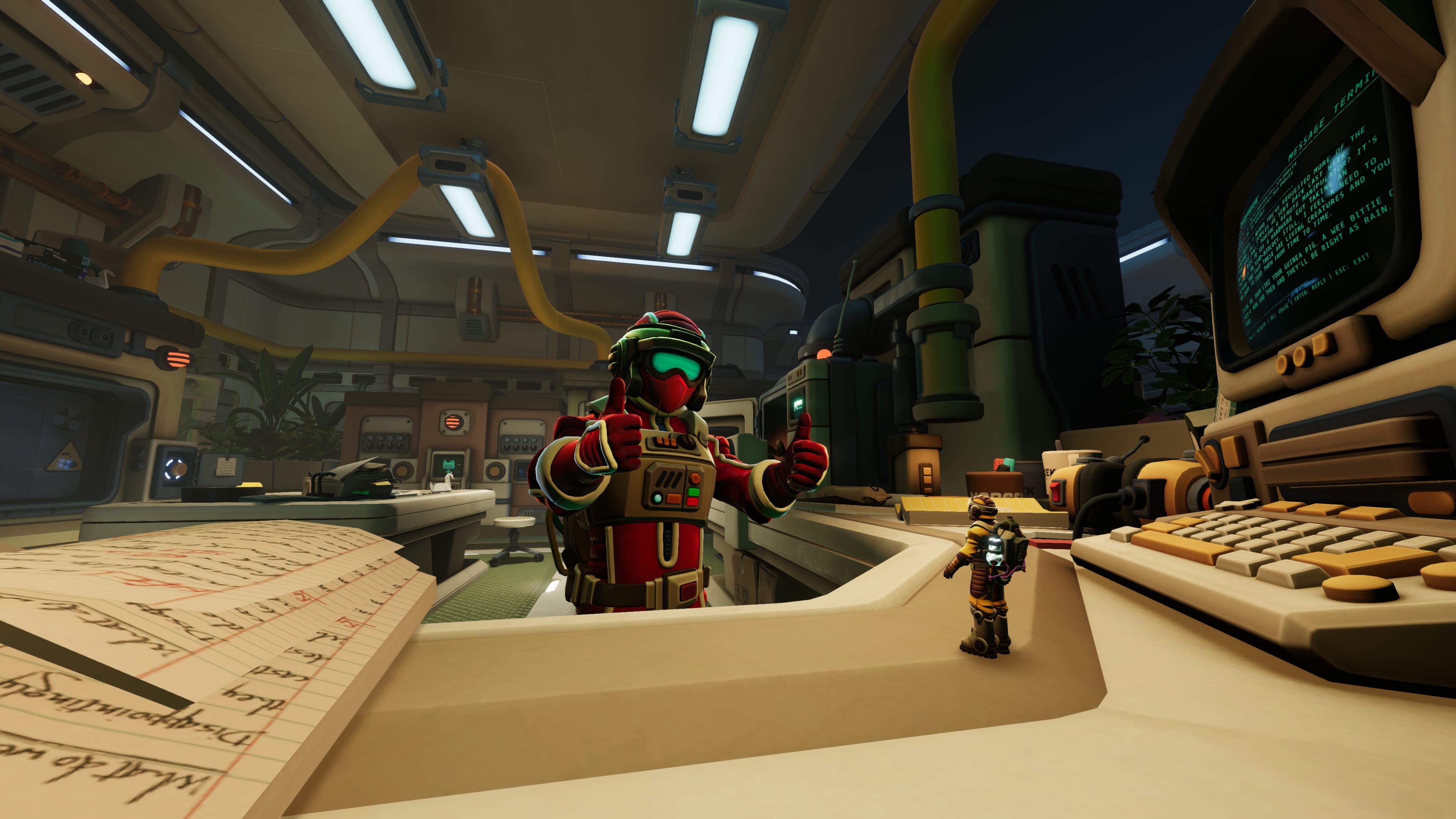
Here the discussion becomes serious. At launch, and to some extent still today, players report a rather long list of bugs in We Were Here Tomorrow:
- crashes and disconnections from the server, friend invitations that freeze and lobbies where the "Ready" button doesn't respond;
- compensations: you fall behind the chalkboards or into the textures without being able to teleport out;
- objects thrown inside textures and impossible to retrieve, or flung through glass with the grappling hook;
- soft lock that require restarting the session, and a game-ending mechanic that for some remains broken even after restarting;
- symbols that do not appear in the last area until you try at specific points or wait;
- climb and jump still imprecise.
All this is compounded by a long-standing issue with the series: you cannot save manually. If a bug locks the game, the risk of losing hours of progress is real. After so many chapters, it’s hard to justify. On the front of performance and optimisation, the public demo had been criticised, and those who played the final version acknowledged the improvements in this regard. The developers are active and have already released a patch that makes some puzzles clearer.
Graphics and audio
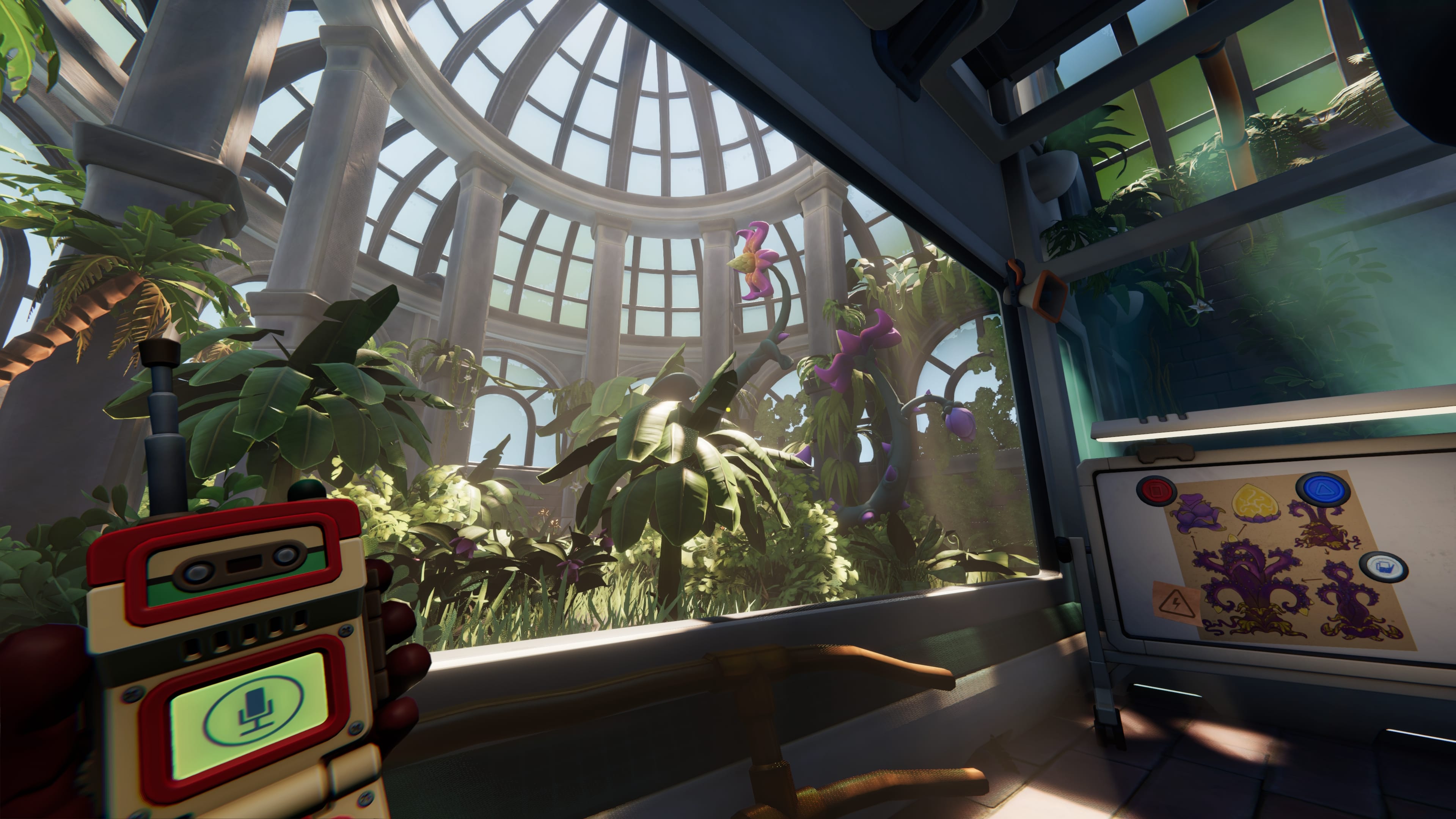
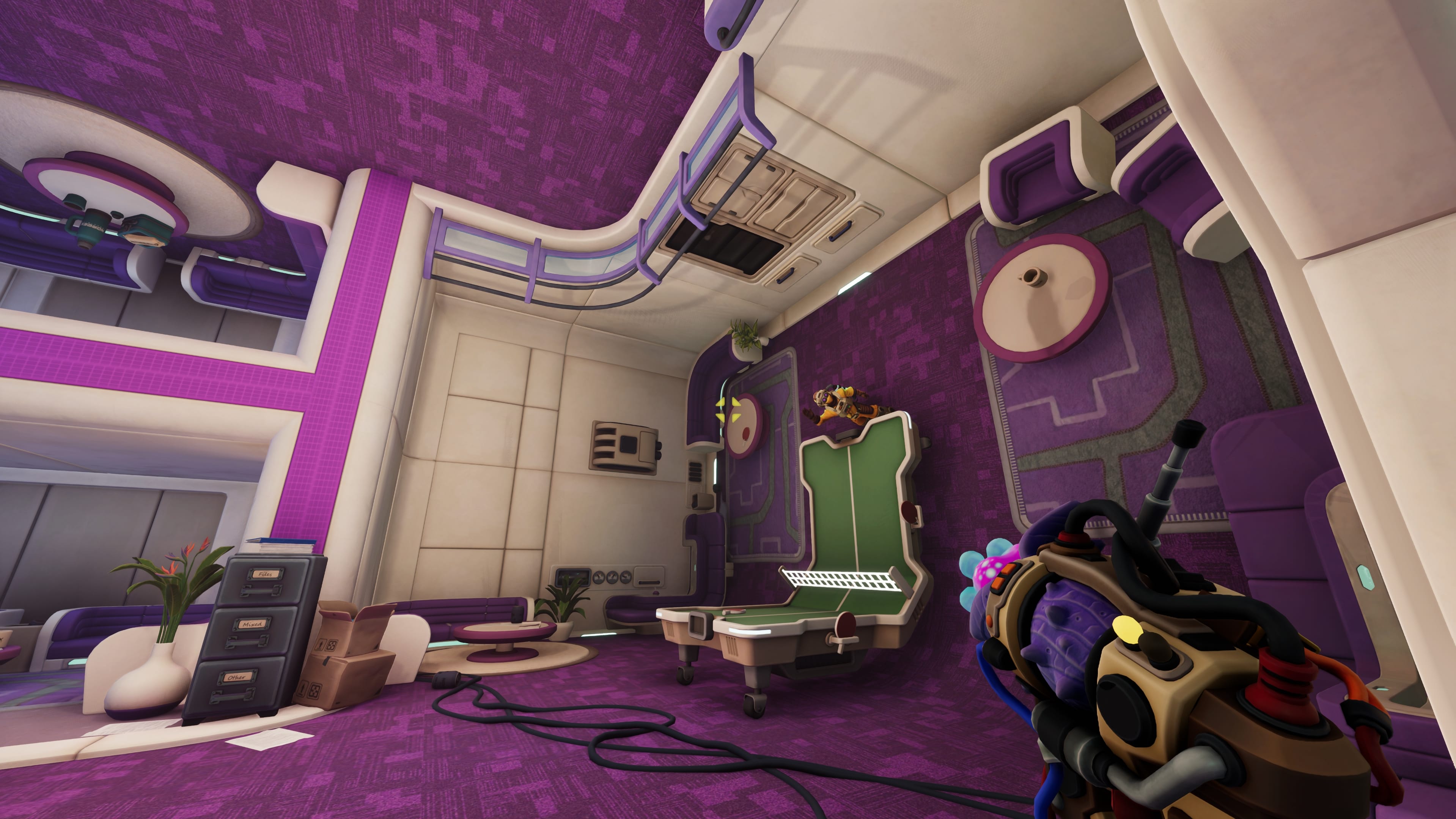
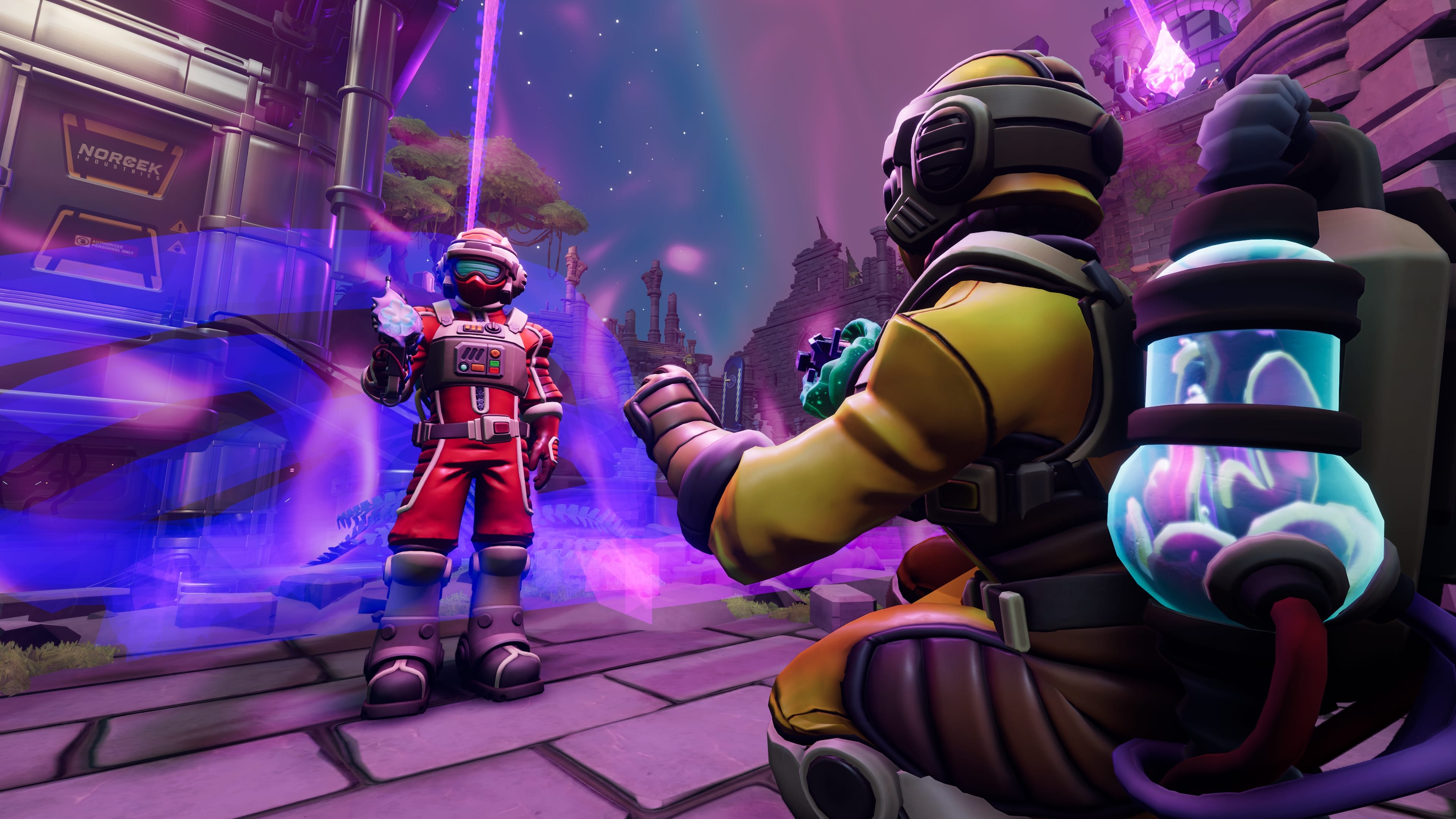
If there’s one point on which (almost) everyone agrees, it’s the graphics of We Were Here Tomorrow. It’s the most beautiful We Were Here yet: carefully crafted environments, large set pieces, the particle accelerator section and the gravity section are spectacular, and the final area has its own charm. The only note concerns environments that are sometimes too cluttered and bright, which can confuse and make it difficult to understand what is interactive and what isn’t.
The audio is also well-crafted. Voices are muffled by walls and fade with distance, a small but lovely detail for a game centered on communication. The synthwave soundtrack has its moments, though some fans feel it has lost the magic of the mysterious music from earlier chapters. The only off-note: NPC dialogue often overlaps with player communication, precisely when it would be needed to speak.
What do critics and the community say
Between critics and players there is a clear divide. The press has generally been positive: on OpenCritic the average critic score is 71, with 53% of reviewers recommending the game.
On the Steam reviews of We Were Here Tomorrow, the tone is decidedly different. What stands out is that the game is primarily criticised by longtime fans: people who have completed all chapters at 100%, some even multiple times. The complaints are always the same: unclear puzzles, too much walking, too little asymmetry, bugs. Some write that they got bored after two hours, while others speak of a “tragedy”. Yet there are also voices in favour: those who rank it third in the series after We Were Here Together and We Were Here Forever, those who find it fresh, and those who urge readers not to take negative reviews too seriously, which they deem excessive.
A detail we liked: the developers actively respond on Reddit and Discord, where there’s even a channel dedicated to puzzle clues.
Worth it? Our verdict
We Were Here Tomorrow isn't a bad game. It's pretty to look at, features some of the best puzzles in the series, and the idea of giving each player a different tool is interesting. You can tell Total Mayhem Games wanted to experiment, and that should be acknowledged.
But as an experiment, personally we believe it hasn't worked. It has lost much of what made the series unique: isolation, mystery, communication as the sole weapon. In their place are unbalanced gadgets, too many transitional rooms, puzzles that often don’t explain their purpose, and a technical aspect still needing work.
A 19,99 € remains a sensible purchase for those who enjoy co-op puzzle games and wish to avoid the series’ collapse. Those seeking the We Were Here "of old" would be better off revisiting Together and Forever, or waiting for a discount. Those suffering from motion sickness should think twice.
We were there. Hope the next chapter, listening to the community, comes back a bit to yesterday.
About the Author