

Battlefield 6 was supposed to be the big return. It had to be the chapter of rebirth, the one capable of placing order after complicated years, to bring the community under the same sky of helicopters, tanks, infantry, environmental destruction and total war. It was supposed to be the Battlefield that reminded everyone why this saga, in its best moments, was never just “another multiplayer FPS”, but a machine of emerging stories: the wagon that breaks the wall, the doctor who revives you under fire, the hunt that crashes at the disputed point, the team that turns an impossible game in the last thirty tickets.
The problem is that, after months of launch, the question that remains on the table is much more uncomfortable: Is Battlefield 6 really a rebirth, or is it the historic IP eldest transformed into a live service product that runs behind fashions, battle passes and engagement metrics?
The numbers tell an ambiguous story. We are not in front of a “dead” game in a technical sense: Battlefield 6 continues to have thousands of active players, an important daily peak and a visible position in the top 100 Steam. But the numbers, alone, are not enough. Because a saga like Battlefield is not only measured by counting online users. It is measured with the desire to return to the game. With the effect “still one”. With the feeling of being inside something that no other shooter can offer in the same way.
And that's where Battlefield 6 seems to have started cracking.
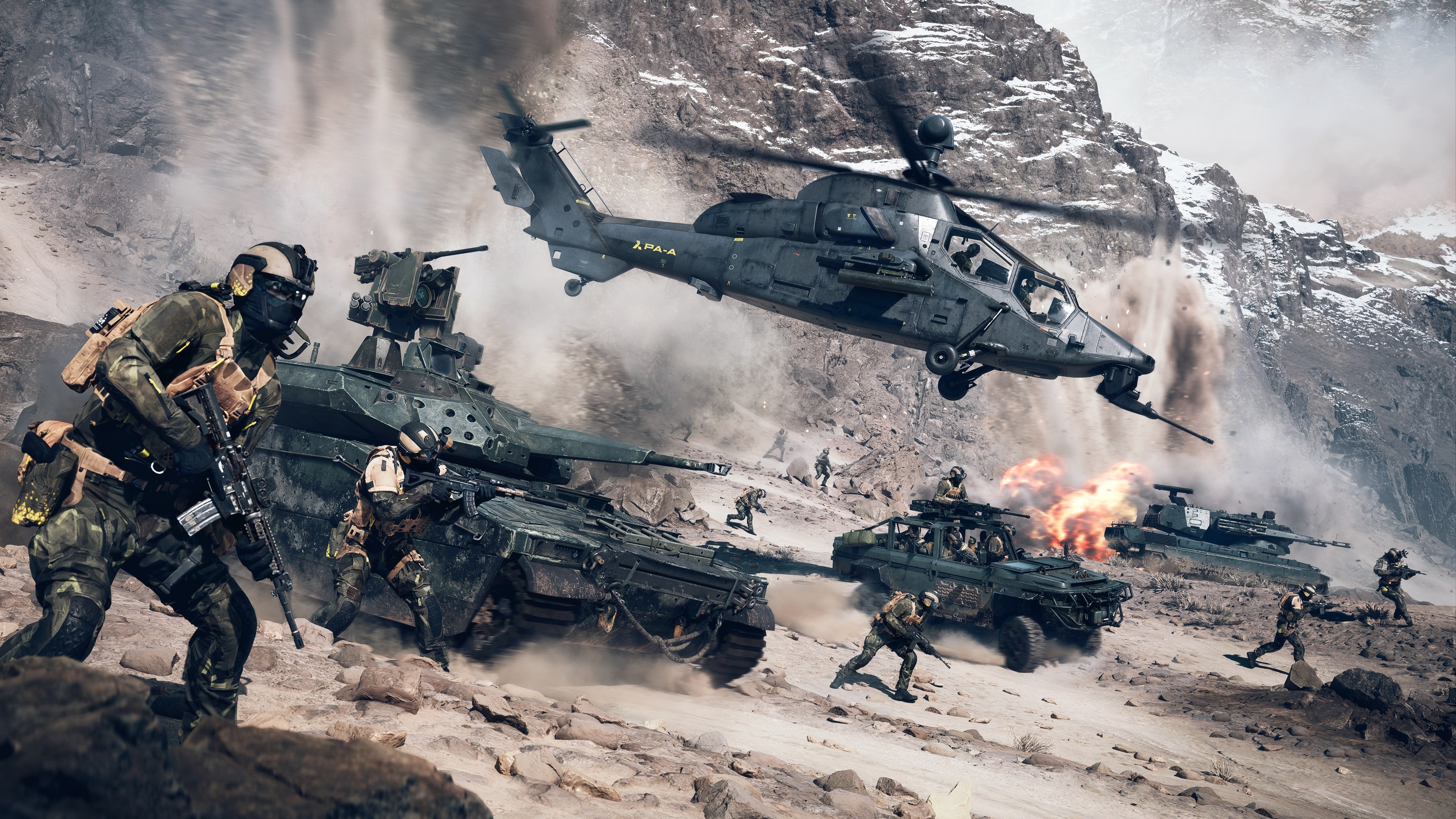
General framework
Battlefield 6 left with a huge force. The launch was impressive, the initial peak on Steam It was from a great video-ludic event and the game benefited from a very strong expectation from a community that, after Battlefield 2042, had an almost physical need to believe in a sharing. From this point of view, BF6 was not a commercial failure at its debut. Indeed. the opening was one of the strongest ever seen for the franchise.
The problem is what happened later.
Today, looking at the data available at June 4, 2026, Battlefield 6 still moves in the top 100 Steam, but no longer gives the impression of being that colossus capable of permanently occupying the center of the FPS conversation. Daily peak data, around 43,000 players Steam, it's not absolute disastrous. Many games would pay for those numbers. But for a new Battlefield, sold at full price, pushed as a great return of the saga, exited with a gigantic historical peak and supported by a live service structure, the comparison with the launch is heavy.
The game is not empty. But it seems less necessary.
This distinction is fundamental. Saying “Battlefield 6 is dead” is a simplification. Say “Battlefield 6 lost a huge part of its initial thrust and effort to generate daily desire” is much more precise. The difference between a live game and a really healthy game is not only in the number of connected users, but in the quality of the relationship that those players have with the product. Here emerge the first serious signs of fatigue!
Season 3, “Warlords: Supremacy”, tried to correct the route with a series of highly recognizable content and interventions: Railway to Golmud, the return of a reinterpreted historical map, new weapons, Ranked Battle Royale for REDSEC, updated Battle Pass, improvements to vehicles, gadgets, weapons, netcode, fighting feedback, interface and audio. In the next steps are Cairo Bazaar, Obliteration, new gadgets, temporary events and further content.
On paper, it's a full roadmap. But here comes the greatest doubt: Why do many of these things come later when they should have formed the heart of the game since the launch?
Battlefield is a saga with a very long story. Not from scratch. It does not need to find out today that the browser server is important, that the platoons are important, that the big maps are important, that the community wants internal social tools, that the rotation of the maps counts, that the balance of the teams is decisive, that the destruction must have a systemic and not only scenic role, that the feeling of the vehicles is one of the pillars of the identity of the franchise.
The Battlefield 6 paradox is this: it often seems a game that is learning running lessons that the series had already learned years ago! !
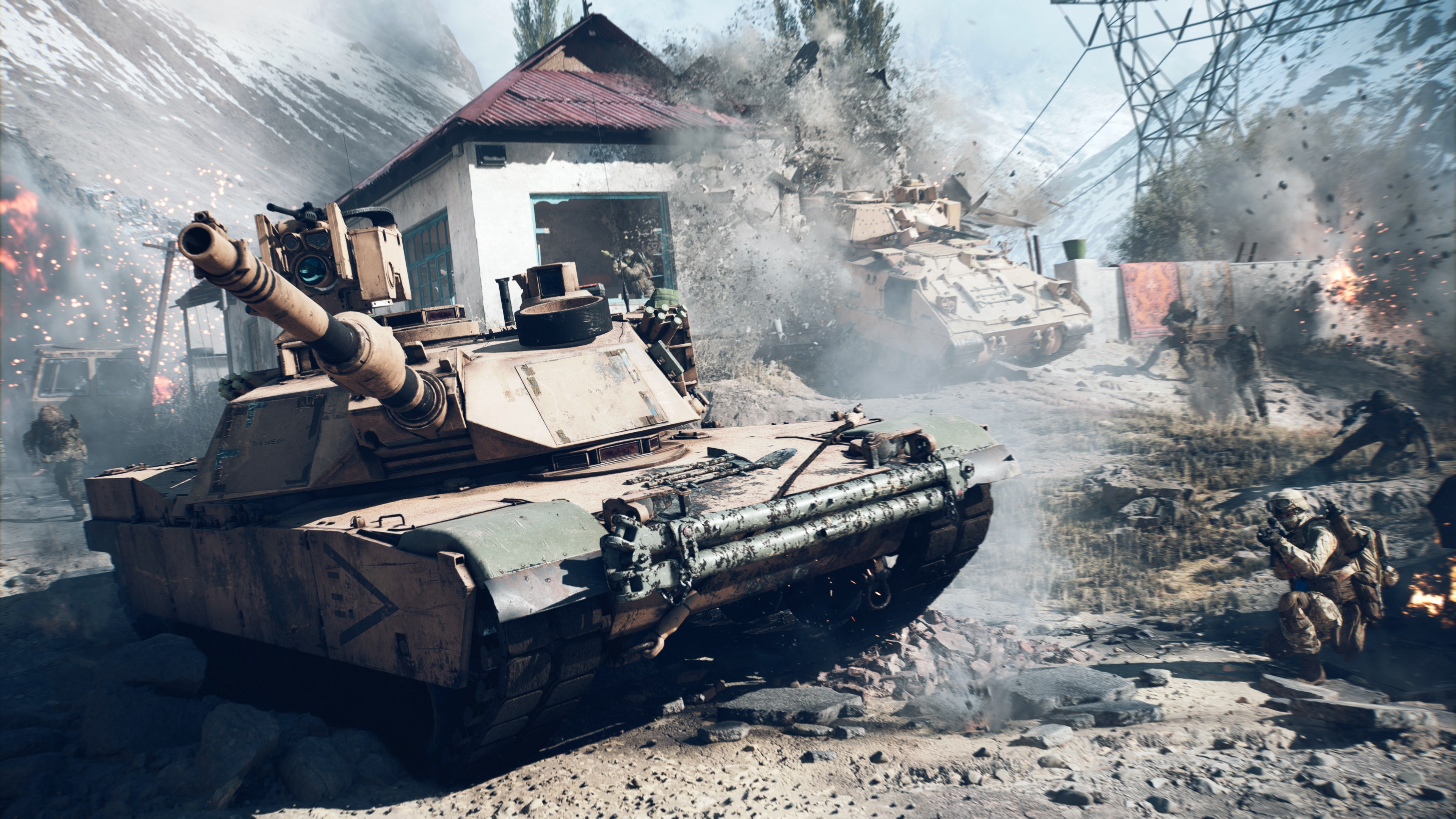
What the community thinks today
The sentiment of the community, especially on Steam, it is much more problematic than a simple overall average can make you think. Total reviews are kept around a mild/positive rating, but reviews recent are much colder. This is an important fact: the public of the launch has rewarded the expectation, the return of the impact Battlefield, the novelty and relief of not being in front of an immediate disaster while the audience of the last weeks, instead, judge the game on the estate that today, convinces much less.
From the reviews Steam some very clear threads emerge. The first concerns the feeling of being in front of a Battlefield “travestite” from something else. Many users talk about a game too close to Call of Duty, too fast, too hectic, too oriented to dynamics from competitive modern shooter and too little faithful to the total war more tactical and choral that made memorable chapters like Battlefield 3, Battlefield 4 and Battlefield 1.
This criticism must be taken seriously. Not because Battlefield must remain immovable in the past, but because change does not mean losing identity. A franchise can modernize without becoming unrecognizable. It can upgrade the gunplay without sacrificing readability. It can introduce new rhythms without turning any clash into a hypercompressed race towards the goal, the perfect loadout and the most brutal time-to-kill possible.
The second line concerns maps and level design. The community is very hard here. Many players perceive different maps as flat, little inspired, bad balance between infantry and vehicles, unable to generate those emerging stories that a Battlefield should produce almost on its own. The return of historical maps as Railway to Golmud and Cairo Bazaar indirectly confirms one thing: EA and Battlefield Studios know very well that the memory of the series still weighs a lot. But this awareness arrives with a bitter aftertaste, because many fans wonder why they did not leave immediately from a more robust base, perhaps recovering and reimagining more historical maps with a serious work of retexturing, technical adaptation and balancing.
The third strand is that technical: netcode, hit registration, server, latency, dead behind cover, stuttering, packet loss, unreadable audio, unreliable tracks, unbalanced matchmaking. These are problems that in a multiplayer FPS weigh a lot, because they ruin the perception of justice. An account is to die because the opponent is better. Another is to die without understanding whether the clash was decided by the server, latency, a recording of uncertain hits or an insufficient audio reading.
The fourth line concerns monetization and live service structure. Battle pass, cosmetic content, packages, progression, REDSEC, battle royale mode, perceived challenges as artificial: many users do not contest the existence of post-launch content in themselves, but the feeling that the game was first designed as a monetization platform and then as Battlefield. It is a subtle but huge difference: a good live service can often stretch the life of a game while a live service perceived as invasive can instead make it look like a shopping center with weapons.
Then there is a very present theme: the absence or delay of functions considered basic. Browser servers, platoons, custom lobbies, social tools, better team management, lighter filters, quality of life, less tiring progression systems, more transparent balance. These are not nostalgic forum details. They are Community infrastructure. I am what transforms a multiplayer from “game I start every now and then” to “place I return”.
That said, the community is not only negative. Even in harsher reviews, often, save items emerge: the gunplay can be fulfilling, destruction continues to have spectacular moments, some sequences still generate adrenaline, REDSEC has interesting ideas, some maps or recent changes are considered steps in the right direction.
The point is not that Battlefield 6 is free of quality but that they seem dispersed inside a plant that cannot really become memorable.
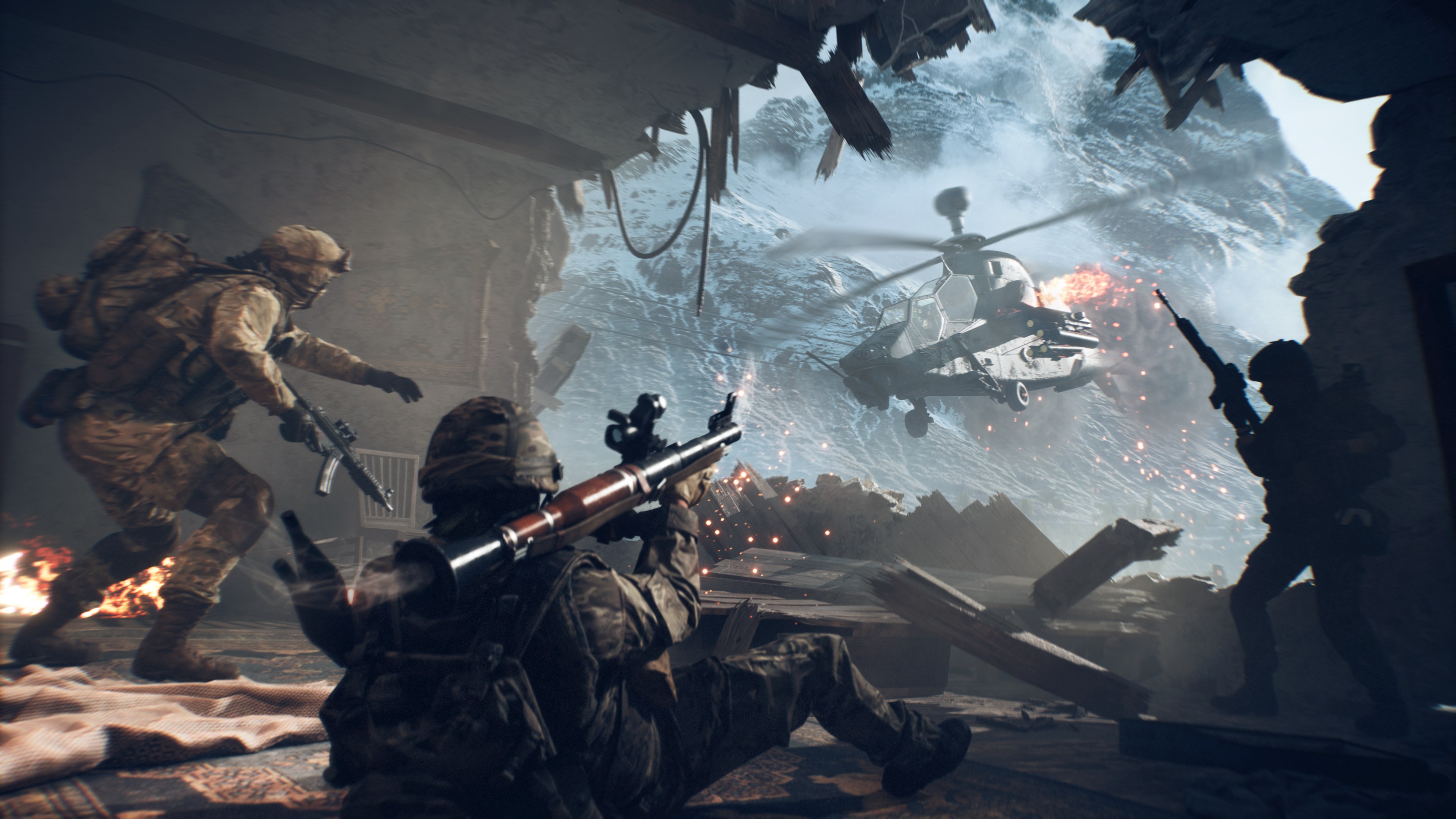
What we think of KotaWorld
Our feeling, matured after several hours of play, is that Battlefield 6 is one of those titles that at first manage to fool you. The first impact is not necessarily negative. In fact, for a few hours it may seem to see something new, something big, something that finally tries to put Battlefield back on track. The destruction is there. The fights are there. The background noise of the war is there. The packaging, at least on the surface, seems the right one.
But then there comes a strange feeling, difficult to ignore: under the new paint you perceive a heavy smell of old furniture.
It is a tough metaphor, but it makes the idea good. Battlefield 6 looks modern in the skin, but old in the vision but not in the good sense, that of the tradition recovered with intelligence. Old in the sense of product built with logic already seen, already consumed, already tired: battle passes, cosmetics, methods chased because "they work on the market", noisy interfaces, progressions from filler, content distributed to scaglioni to keep on the calendar more than passion.
What is really missing is the wow effect.
Let's not talk about the wow fine chart itself. Let's talk about the wow from Battlefield. What makes you close a game and say: “Okay, I’ll do another one”. What makes you tell your friends an absurd moment only happened to you. What makes you accept a defeat because inside that defeat you have experienced something cinematographic, chaotic, unpredictable and yours.
With Battlefield 6, too often, this does not happen or better... happens at times, but not enough to create positive dependence.
After about 60 hours, the personal feeling is very clear: the game no longer attracts as it should. He's not calling. It does not generate that almost physical need to return. It does not give the idea of a live battlefield but of a product that constantly tries to convince you that it is alive. This, according to us, is a huge difference!
The problem is not only the amount of content. It's the direction. Battlefield 6 seems to have so many parts, but not always a coherent soul. He wants to be classic Battlefield, but also hypercompetitive modern shooter. He wants to be total war, but also battle royale. He wants to be realistic, but also sold through skins and packages. He wants to be premium, but he often thinks like a free-to-play. He wants to regain the confidence of veterans, but he constantly chases models that those veterans perceive as strangers.
The result is a game that does not appear completely wrong, but appears confused.
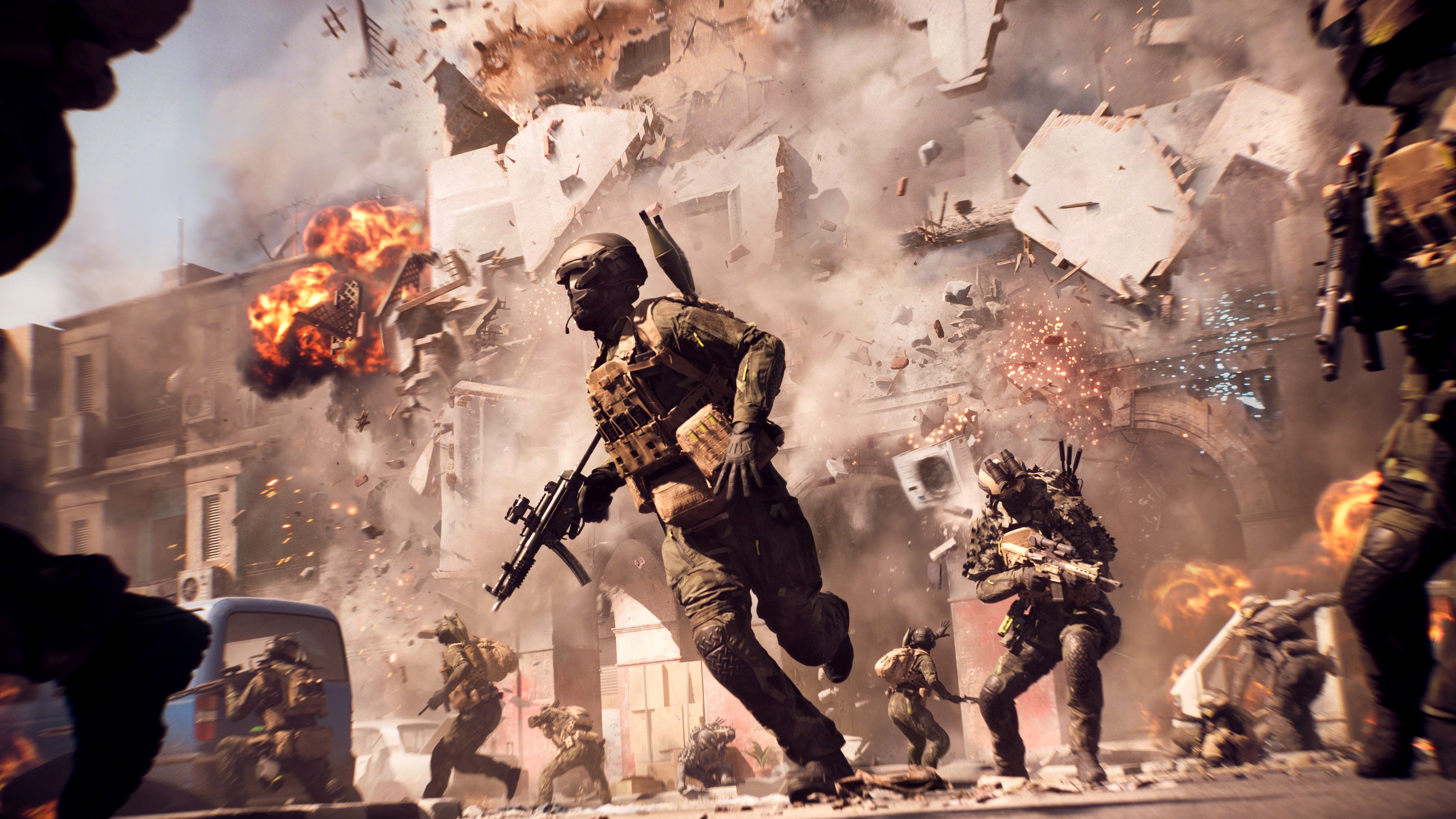
Critical reflections and what did not work
1. An unrecognizable artistic direction
Battlefield 1 had a strong artistic direction. Piaccia or not, it was recognizable in seconds. The First World War was reinterpreted with an extraordinary audiovisual power: mud, metal, fire, trenches, horses, zeppelin, music, tragedy. Even when you lost, you were in the experience because the game had an identity.
Battlefield 6, however, struggles to impress. It is not enough to have explosions, soldiers, drones, wagons and modern weapons to have an artistic direction. It needs an imaginary. We need a signature. It serves a consistency between interface, maps, colors, sound, rhythm and tone. Here, instead, too many times you have the feeling of a “assembled” product to respond to contemporary checklists: must have the battle pass, must have the free-to-play mode, must have the competitive component, must have the nostalgic return, must have the skin, must have the event.
But a checklist is not a vision.
2. Late recovery of things that already worked
One of the most frustrating criticisms concerns the amount of historical elements of the series that could have been inserted or valued immediately. Battlefield shouldn't have invented everything.. It already had a huge heritage: memorable maps, social systems, browser servers, platoons, classes, vehicles, modes, rotations, community tools, logic from military sandbox.
Instead, the game often seems to proceed as if certain conquests had been forgotten. The return of historical maps is positive, but it also appears as an admission: many things of the past were still working. No need to replace them with more fashionable ideas. It was necessary to update them, refine them, networkxturize them, balance them and insert them in a modern technical context.
nostalgia, when used well, is not laziness. It's design memory.
The problem is when nostalgia comes to pieces, as seasonal content, after the basic game has already lost a slice of audience.
3. The live service fatigue
Live service fatigue is now real. Players are no longer in 2018. They have seen dozens of games turning into platforms, seasons, passes, currencies, daily missions, temporary content, cosmetics, shop and roadmap. It’s not enough to say “they’ll get content.” It is necessary to convince that those contents serve the game, not only to the commercial calendar.
Battlefield 6 often gives the feeling of being built around a necessity: retain the user, measure it, mutize it, make it fall into the cycle. But Battlefield, in the memory of many, was not that. It was an experience before a platform. It was a battlefield, not a dashboard.
When the player opens the game and perceives more the commercial system than the front, something breaks.
4. REDSEC and the chase problem
The REDSEC battle royale mode is the perfect symbol of this tension. It can have good ideas, it can be technically interesting, it can even have a part of the audience. But the question is: Did you really need Battlefield? Or did it serve EA to tell investors and the market that Battlefield also had its free-to-play entry door, its parallel ecosystem, its response to dominant trends?
It's no coincidence many critical reviews speak of a Battlefield chasing Call of Duty and Warzone. The community does not reject change by principle. Refuses the feeling that the franchise is bent to the identity of others.
Battlefield must not win by copying Call of Duty. Battlefield must win by doing what Call of Duty can't do.
5. Premium price, hybrid product feeling
Another knot is price. At the moment, the basic game is still sold at full price, while the Phantom Edition maintains an even higher position. The problem is not only the price itself. The problem is the contrast between premium price and very aggressive live service ecosystem.
If I buy a full price game, I expect a solid, rich, complete and respectful base. If then inside I find battle pass, monetization, cosmetic content and progression designed to push the constant return, tolerance decreases. The public accepts microtransactions and passes in a free-to-play; accepts them much less when he has already paid the full ticket.
Battlefield 6 lives exactly in this grey area: premium when selling, live service when it stays.
6. The biggest problem: does not generate enough love
Finally, the most serious point is perhaps the least technical. Battlefield 6 doesn't generate enough love.
It can generate fun games. It can generate some clips. It can generate anger, discussions, peaks of return with seasons, curiosity for a historical map. But it is hard to generate membership. And Battlefield, historically, lived from belonging. He lived on servers, clans, platoons, communities, friendships, rivalries, habits, maps learned by memory, chosen roles not because they were goal, but because they were part of their way of fighting.
A Battlefield without belonging is a halved Battlefield.
Tips for the Future
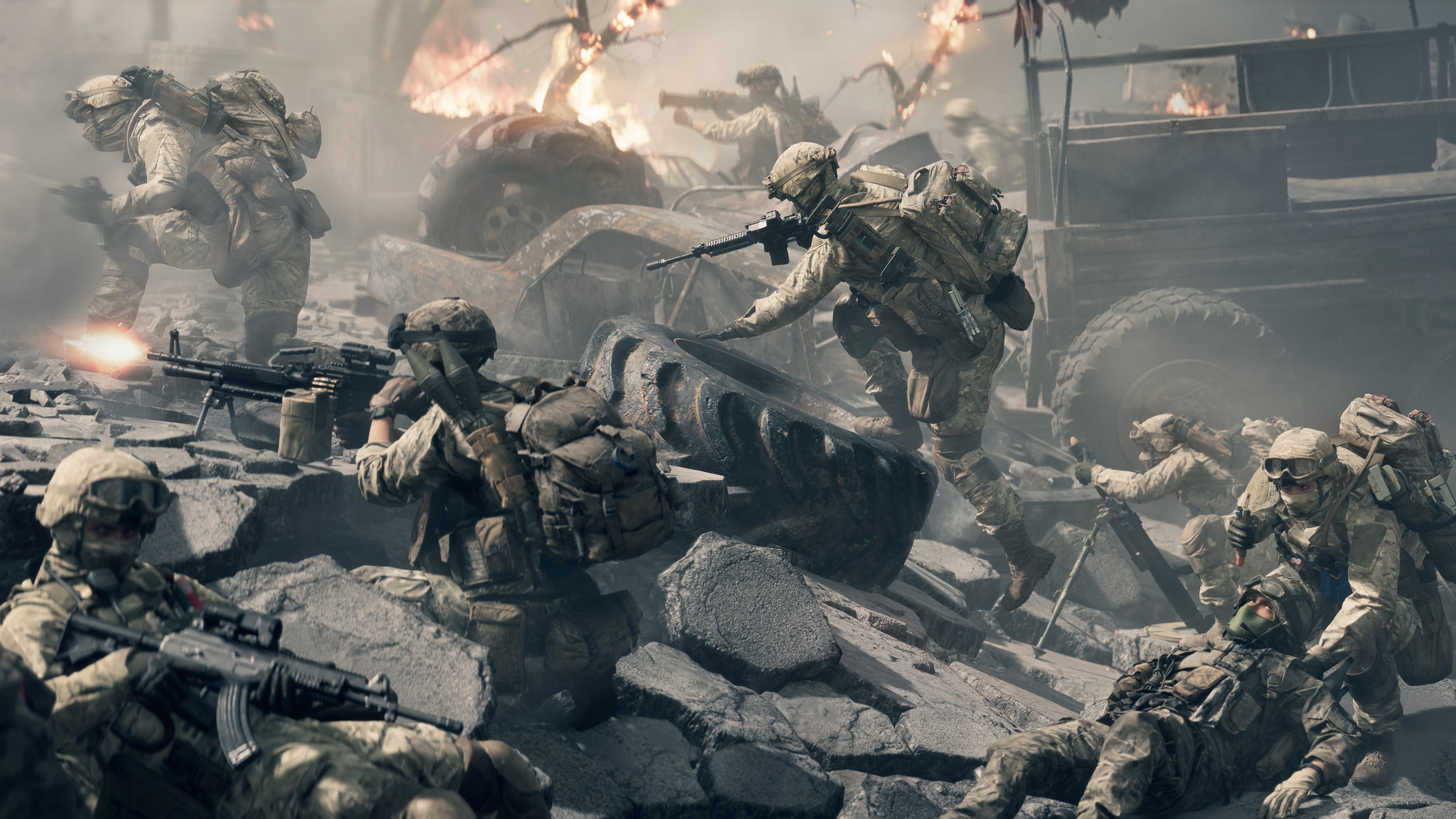
If EA and Battlefield Studios really want to save Battlefield 6, it's not enough to add content. It needs a cultural choice. You have to decide whether Battlefield must be a product that chases the market or a franchise that returns to drive its own niche proudly.
The first step should be the full recovery of the Community infrastructure. Real browser server, custom lobbies solid, platoons, social tools, advanced management of teams, clear filters, editable rotations, possibility to build stable communities. Battlefield cannot live only of anonymous matchmaking. It has to be a place again.
The second step is a deep correction of the level design. We need larger maps, more readable, more vertical when needed, more open to vehicles, but also more intelligent for infantry. It's not enough to put so much space. It needs significant space. You need every area to tell a different kind of clash. Vehicles are either dominant or useless. We need destruction to open paths, change balances, really change the game.
The third step concerns the intelligent recovery of historical maps. Not as nostalgic content, but as a strategic base. Battlefield has a huge archive of places that fans still love. Taking historical maps, updating them technically, reimagining them with criterion and entering them in substantial packages could be much more effective than a continuous run to new but weak content.
The fourth step is technical: netcode, hit registration, audio, matchmaking, team balance, antiquity, CPU performance, vehicle feeling. These things do not make spectacular titles like a new map, but they are what decides if a competitive FPS is perceived as right. And if a game is not perceived as right, the community goes away.
The fifth step is to better separate identities. If REDSEC has to exist, it also exists. But you don't have to devour Battlefield. The battle royale part cannot seem the priority while the total war struggles to breathe. Battlefield must have the courage to say: the heart is here, in great battles, in vehicles, in teams, in classes, in destruction, in cooperation. The rest can orbit around, but do not replace the sun.
The sixth step is to reduce the feeling from shop. Less commercial noise, more immersion. Less skin screaming, more artistic consistency. Less artificial challenges, more natural progression. Less “go back because you have to complete the pass”, more “go back because yesterday’s game remained in your head”.
The seventh step is communicative. The community doesn't need slogans. She needs transparency. Clear roadmap, explicit priority, errors admission, sensible public tests, really integrated feedback. It is not enough to say “we listen to you”. You have to prove that you know what's broken.
What will BF6 do?
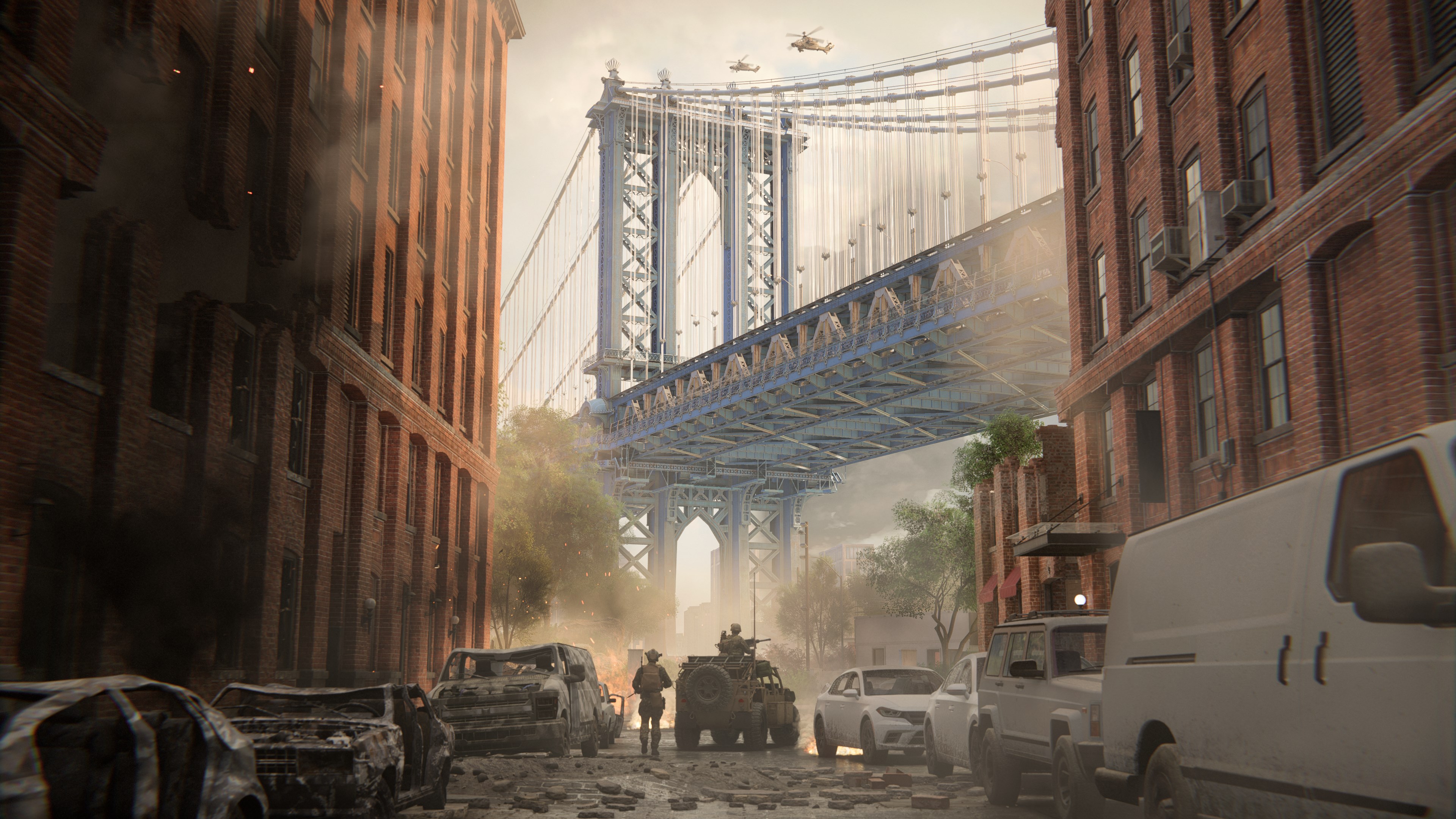
Battlefield 6 is not finished. But the franchise is in a very delicate place. And here you have to be honest: Battlefield doesn't necessarily risk disappearing tomorrow. Such a big IP is hardly abandoned. The risk is worse: become a zombie saga.
A zombie saga is not dead. Keep going. Keep selling something. It continues to have seasons, trailers, events, passes, bundles, nostalgic returns, community listening statements. But it is no longer culturally central. Don't say the line anymore. He doesn't dream anymore. Don't move the speech anymore. He survives because the name is too big to be thrown, but not live enough to be loved as before.
This is the real danger to Battlefield!
The EA speech is inevitable. Electronic Arts is a huge machine and first reason in terms of performance, intellectual property, revenues, engagement, monetization, margins and risk control. Passion definitely exists within development teams, because no one makes a game of this scale without competent and passionate people. But the problem is the higher decision level: when a historical IP is managed especially as assets, history becomes useful only if it converts. nostalgia becomes a lever. The community becomes a segment. The gameplay becomes retention. The battlefield becomes funnel.
And this is where the anger of fans is born!!
Not because players are naive and think companies don't have to earn money. Everyone knows a triple A video game has to sell. The point is another: when the idea of gain at the least possible expense becomes perceptible within the design, the player notices it. He notices when there are no historical functions. He notices when maps seem poor in thought. He notices when the battle pass is more legible than the artistic direction. He notices when the fashionable mode seems to have more attention than the saga heart. He notices when the game seems designed to take more time than to create memories.
The question “Will Ubisoft end?” should be treated with caution. EA is not Ubisoft and the economic and industrial situation of the two companies is not identical. Ubisoft has become in recent years the symbol of an overproduction crisis, repeated formulas, restructuring, loss of trust and difficulty in transforming huge IP into real enthusiasm. EA, for its part, still has giant sports franchises, a very strong portfolio and a different industrial position. But cultural risk is similar.
When a publisher begins to treat his own historical series as containers to monetize more than as worlds to guard, the public can forgive once, perhaps two. Then Stop believing it and then it is no longer enough a trailer with the right music, a historical map, an exclusive skin or a season called aggressively. You need to rebuild confidence, a harder currency to recover.
Can Battlefield still save himself? Yes. But not with half measures.
Season 3 is an attempt. The Season 4, with the return of the naval war, Wake Island, new maps and tools most requested by the community, could be another decisive test bench. But time is not infinite. Every month when Battlefield 6 fails to generate enthusiasm, it makes it harder to bring back who left.
The sad thing is that the solution, at least in part, seems obvious: Battlefield has to stop wondering how to look like others and has to come back to wonder what others cannot copy. No other mainstream FPS really has the same potential as total war, legible chaos, destruction, vehicles, classes and emerging stories. But that potential must be respected. Not squeezed. Not diluted. Not transformed into a frame to sell yet another cosmetic content.
Battlefield 6 today is not a total disaster, it would be unfair to say. It has successful moments, technical qualities, good ideas, incoming content and a base of players still significant but it is also a game that seems to have missed the most important target: let us fall in love again. For a saga like Battlefield, this weighs more than any known patch.
Because fans didn't just ask for a new chapter. They asked for a reason to come back to believe. They asked for the wow effect. They asked for that impossible game to tell without management. They demanded a total war with a clear identity, not a premium product with the seasonal platform heart.
Battlefield 6 can still change course but must do so quickly, with courage and humility. It has to recover historical functions, rebuild the community, fix technical foundations, restore centrality to maps, limit commercial noise and remember that Battlefield is not great because it can imitate the market.
Battlefield is great when Battlefield does.
Today, more than ever, this saga needs to stop selling nostalgia and start to deserve it!
About the Author

Biography
- Direttore di KotaWorld.itRecent Articles
- Box Knight Review PC: the office becomes a roguelite
- GTA VI will have an official 34-piece album: Travis Scott, Yung Lean and Keith Richards among the first artists
- Golden Swirl is available on Steam
- GTA 6, here are the most absurd fake news to date
- Acer a IFA 2026: all news between Predator Atlas 7, monitor 1000 Hz, Swift Blade 14, Vero 16, Aspire, Veriton AI and RTX Spark