
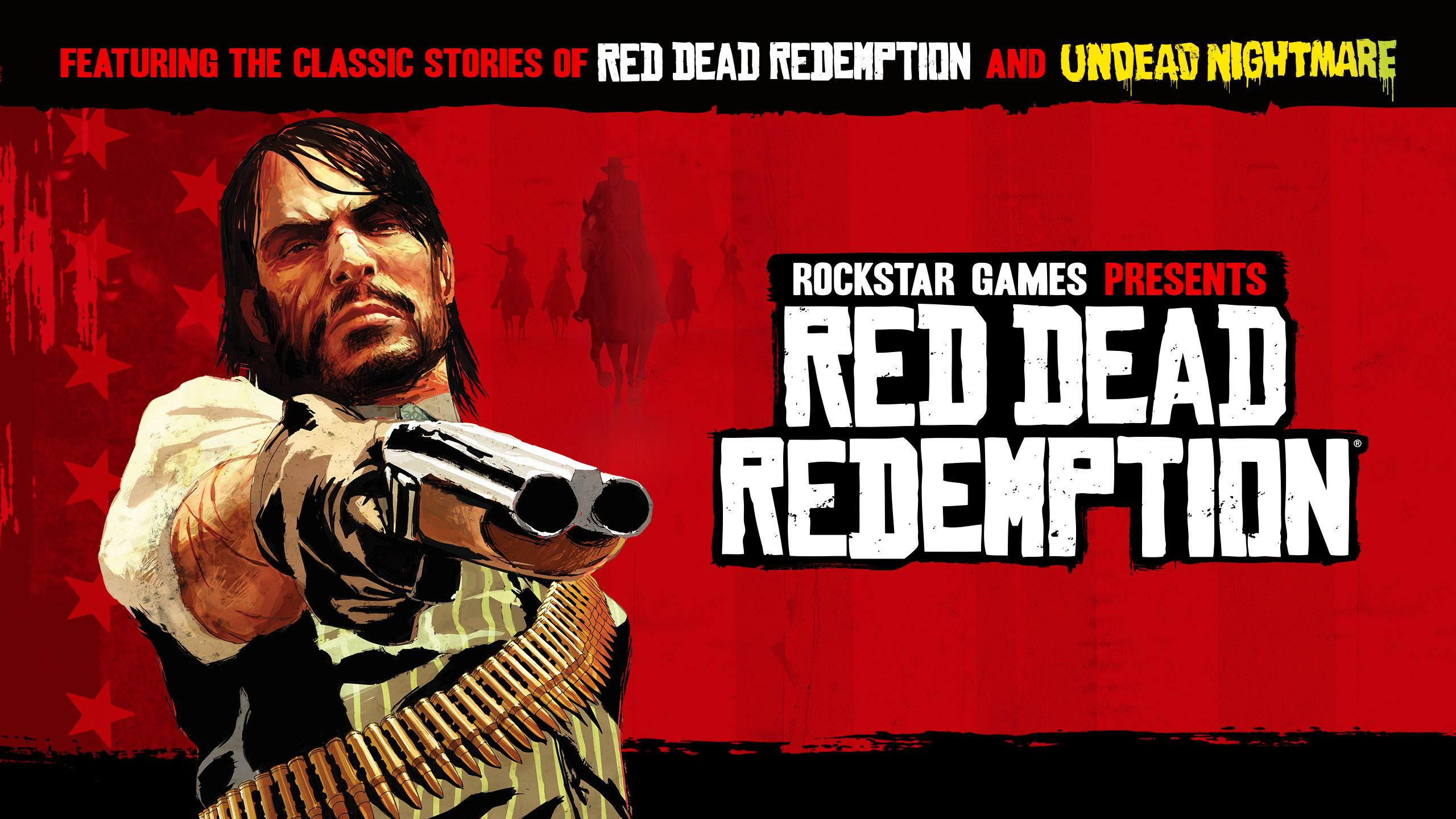
In the now distant 2010, amid a deluge of comedies like Mass Effect 2, Halo Reach, Super Mario Galaxy 2 and the third chapter of Kratos’ epic saga, Rockstar Games revived a lesser-known IP set in the western, securing its place among the era’s cult videogames. Fourteen years after its original release on PlayStation 3 and Xbox 360, Red Dead Redemption finally arrives on PC. This port, developed by Double Eleven, gives players the chance to relive John Marston’s adventures in the wild West, accompanied by the expansion Undead Nightmare. However, the adaptation presents both strengths and some shortcomings; let’s dive in together.
This content is provided by YouTube. To view it, you must allow external content. Activation may result in data being shared with the third party.
An epic journey through redemption and horror
Red Dead Redemption tells an epic and intimate story at once, placing players in the role of John Marston, a man trapped between his past as a lawless outlaw and his desire to protect his family. Forced by the government to track down and kill the members of his old gang, Marston finds himself immersed in an adventure that takes him across the vast and desolate territories of the American West and Mexico. Set in 1911, an era marking the end of the wild West, the game explores complex themes such as guilt, redemption, and the inevitability of progress.
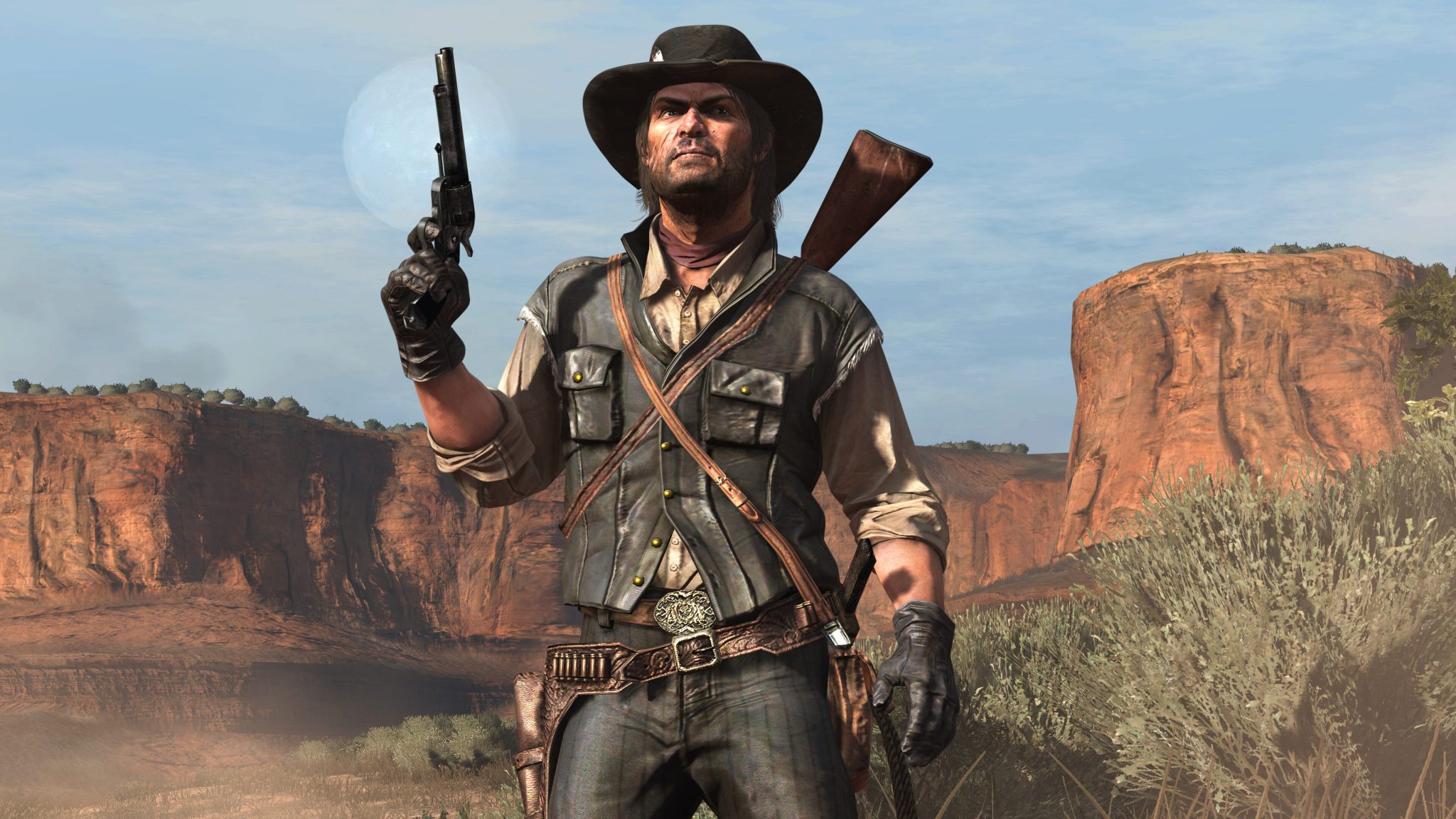
The main storyline is supported by a series of missions that alternate moments of intense action with more reflective and narrative-driven sequences. The main missions guide players through a wide range of scenarios: high-stakes duels in arid deserts to battles against outlaw gangs in decaying cities. Each mission is carefully crafted for detail, both narratively and in terms of setting, offering unforgettable moments that deepen Marston’s character and the world around him.
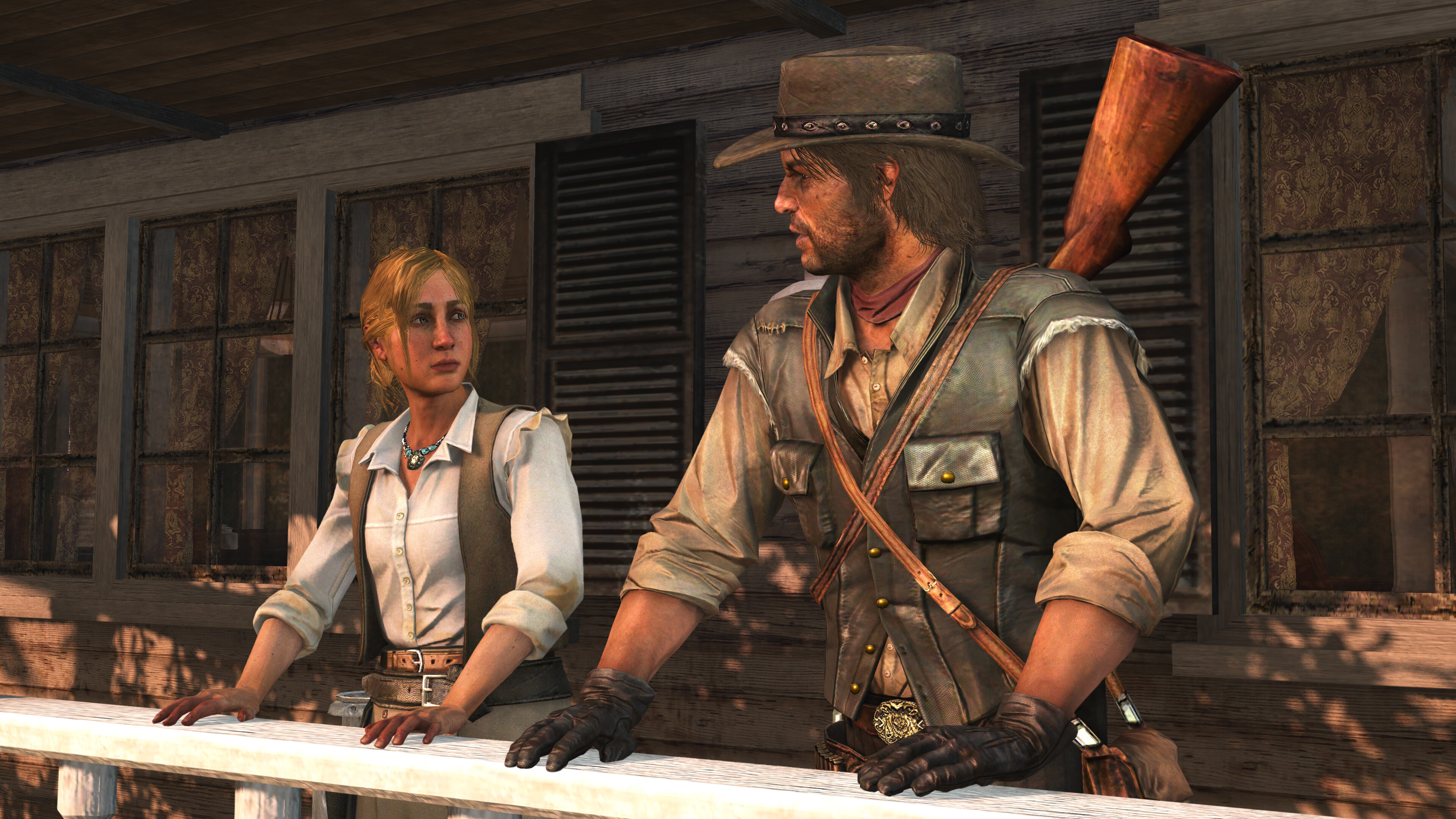
To make everything even more engaging is the variety of side missions and optional activities available. Players can pursue hunting, challenge themselves in intense poker games in the saloon, capture dangerous wanted fugitives to earn bounties, or simply explore the breathtaking landscapes of the game. From the sun-baked deserts of New Austin to the snow-capped peaks of Tall Trees, the environments seem real and “alive”. Today, all this seems obvious in an open-world game, but at the time, it wasn’t quite so.
With the good or with the bad
The gameplay of Red Dead Redemption represents a perfect balance between cinematic action and the freedom offered by an open world. Players can explore an enormous territory spanning arid deserts to vibrant Mexican villages, immersing themselves in a world rich with detail and opportunity. This freedom allows players to experience the game at their own pace: they can choose to follow the main story, tackle side missions, or simply wander the world, meeting characters and uncovering hidden stories.
One of the most appreciated features is the variety of available activities. Beyond the main missions, the game offers countless options: from dawn duels in dusty villages, to hunting in wild territories, and gambling in saloons. Each activity contributes to building a living, believable universe, offering unique immersion moments for the era.

The combat doesn’t stray far from Rockstar’s standards, and perhaps, today, it’s the only mechanic that’s aged poorly. The element that stands out most is nonetheless the Dead Eye system, an iconic feature that allows you to slow time for surgical precision aiming. This mechanic not only adds strategic depth to battles, but also delivers unforgettable moments of pure satisfaction, especially in duels and the most critical situations.
One of the elements I most appreciated, even back in the PS3 era, was the reputation and honour system, a mechanic that tracks John Marston’s moral actions during his adventure. This system not only reflects the player’s ethical choices but also influences how the game world reacts to them. The system is accompanied by a visible bar indicating the player’s Honour level, with two extremes: Hero and Outlaw. This bar allows you to monitor the impact of your choices and encourages a gameplay style aligned with the moral ideal you wish to adopt.

Beside the Honour system is the Reputation system, a mechanic that measures John Marston’s notoriety in the game world. While Honour reflects the player’s moral choices, Reputation represents how well-known and respected (or feared) Marston is in the wild West.
Undead Nightmare
The expansion Undead Nightmare is one of the most creative and memorable additions ever made for a Rockstar Games title. Originally released as a DLC in 2010 and now included in the 2024 PC port, Undead Nightmare transforms the wild West into an apocalyptic nightmare, introducing zombies and a unique atmosphere that completely reinterprets the game world.
The story of Undead Nightmare begins with John Marston returning home to find his family struck down by a mysterious zombie epidemic. His wife Abigail and son Jack have been infected, and John sets out on a desperate mission to find a cure. This journey takes him through a transformed West, where the supernatural has taken over.

The plot, though shorter than the main campaign, is rich with weird moments and dark humour. Marston meets new and already familiar characters, each reacting differently to the apocalypse. Some desperately try to survive, others exploit the chaos to their advantage. The overall tone is lighter than the base game’s narrative, Marston approaching the situation with his usual pragmatism, offering memorable dialogue that alternates between sarcasm and despair.
Unlike the main campaign, where ammunition and resources are relatively abundant, Undead Nightmare emphasises survival. While not reaching the depth of a true survival horror, ammunition is scarce, forcing players to be more strategic in combat. Conventional weapons remain effective, but the expansion introduces improvised tools such as torches and flammable bottles, useful for dealing with hordes of undead.
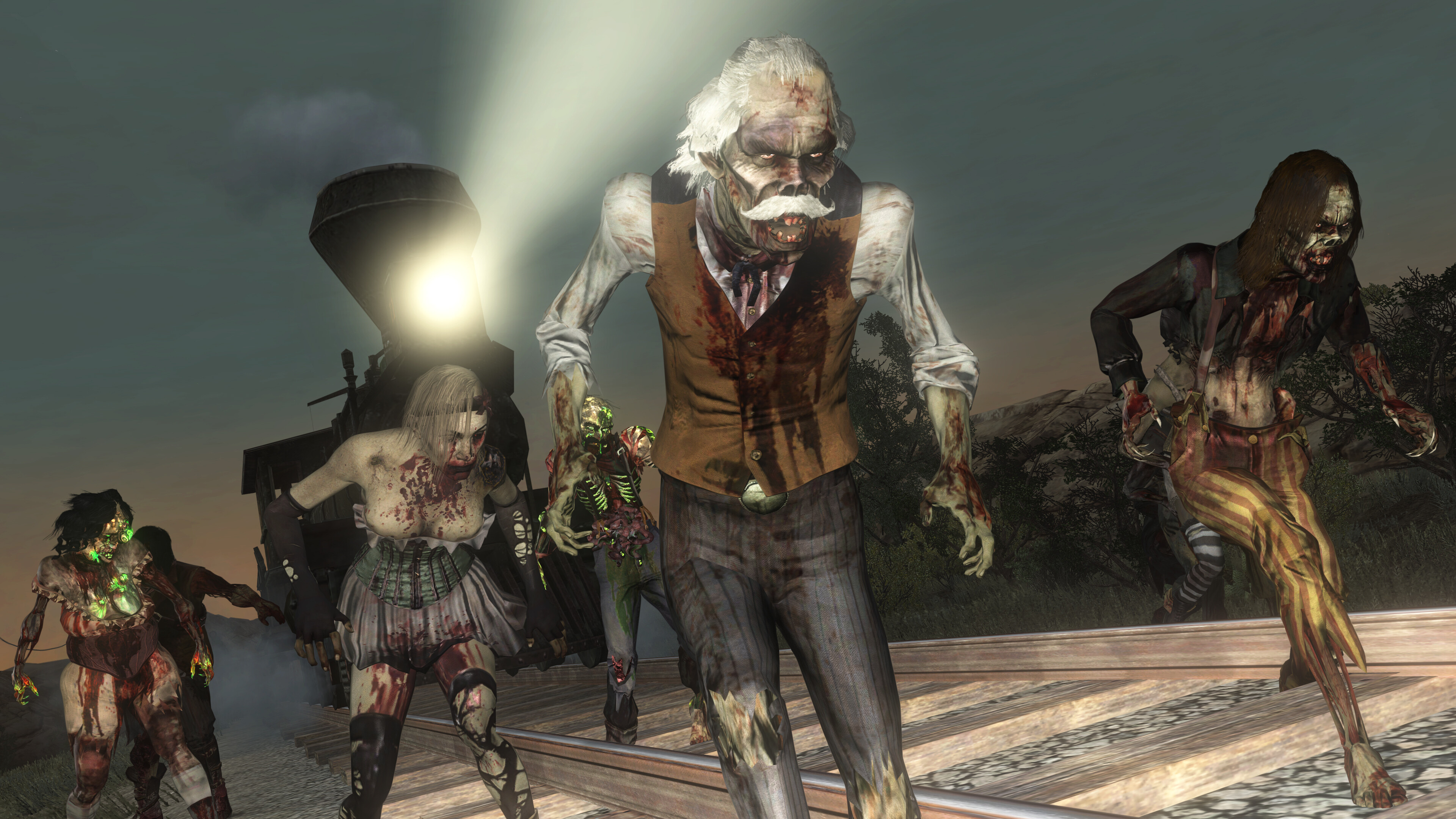
Resource management becomes crucial: players must explore the world to find supplies, liberate settlements, and rescue survivors to obtain useful rewards. This dynamic adds tension to gameplay and encourages exploration.
Technically speaking
We tested the port of Red Dead Redemption on the following configuration:
AMD Ryzen 7 3700x @ 3.60 GHz
Gigabyte RTX AORUS Master 3080 Ti 12Gb
Corsair Vengeance RGB RT 32GB DDR4 3600MHz
LG 34GN850 Monitor at 3440x1440 (21:9)
The PC port of Red Dead Redemption offers a series of technical improvements that elevate this classic above its original console versions. However, despite evident updates, certain technical limitations and optimisation issues prevent the game from reaching absolute excellence.
One of the most evident aspects of the PC port is the significant leap in graphical quality. The game supports resolutions up to 4K native with high frame rates, offering a much smoother and more detailed visual experience than the PlayStation 3 and Xbox 360 versions. This fluidity is particularly noticeable during combat, open-world exploration, and narrative sequences, where the high frame rate enhances player immersion.
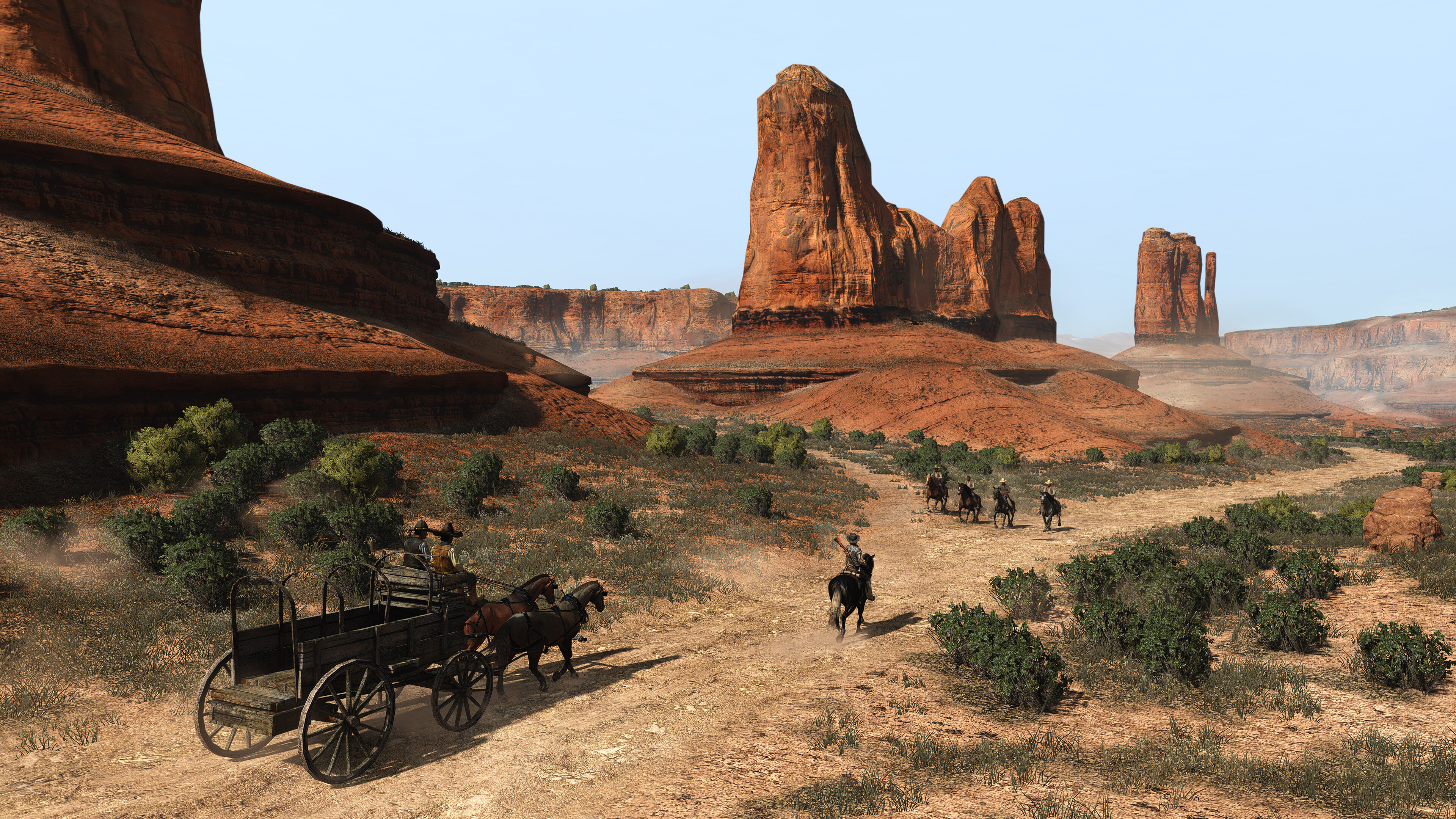
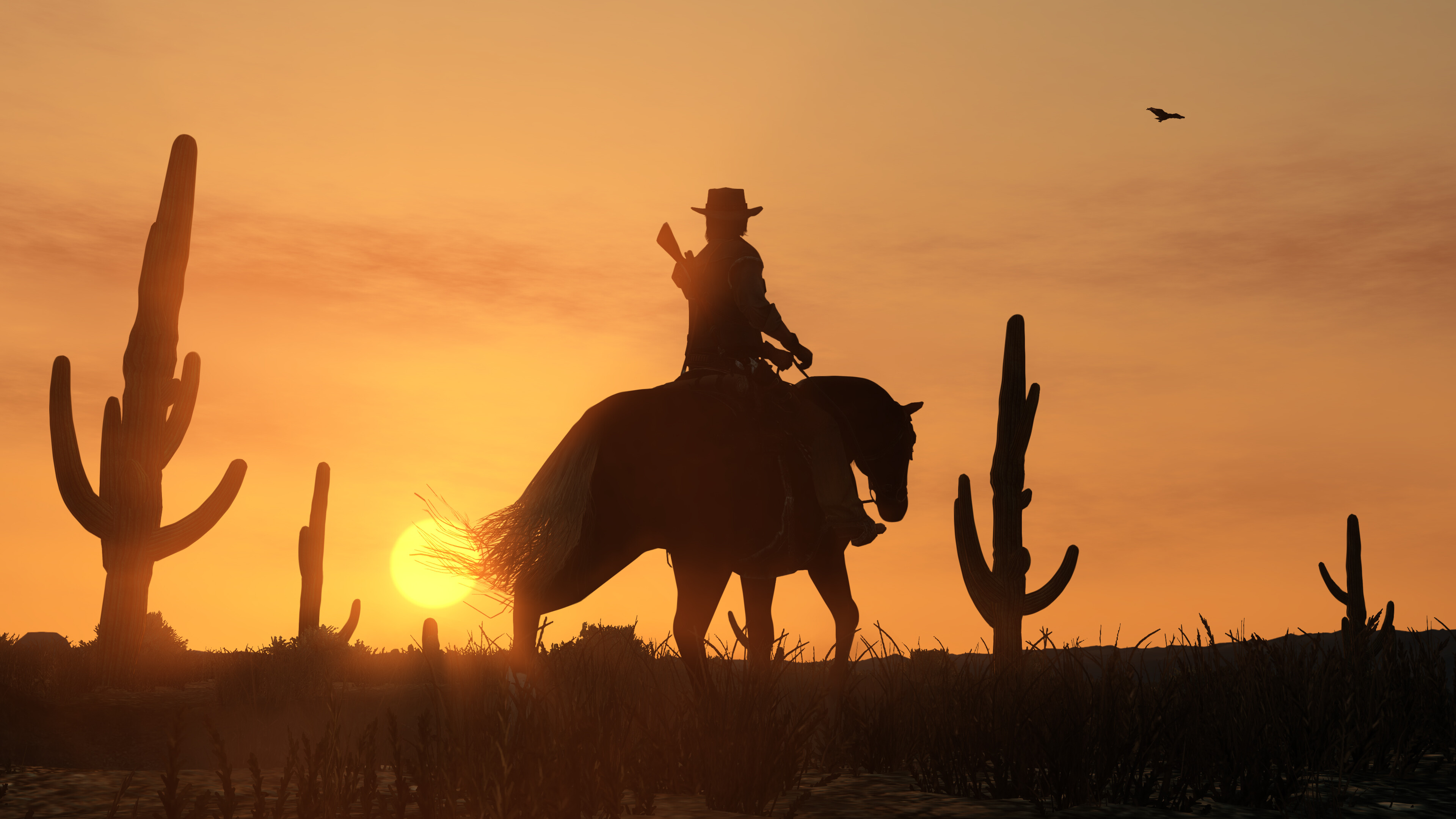
Support for ultrawide and super ultrawide (21:9 and 32:9 formats) is a welcomed addition, making the Wild West world even more immersive by allowing you to appreciate vast, detailed landscapes. The support HDR10 also helps improve contrast and colour fidelity, especially in sunset scenes or sequences with dynamic lighting.
Some of the new technologies implemented include the DLSS 3.7 by NVIDIA and the FSR 3.0 by AMD, which enable intelligent upscaling to improve performance without sacrificing too much visual quality. Additionally, the port includes support for the DLSS with Frame Generation, a technology that allows for higher frame rates even on mid-range hardware, making the game accessible to a broader range of players.
Despite the evident improvements, the porting presents some limitations in advanced graphical options. As highlighted in various other reviews, configurable settings focus mainly on resolution, anti-aliasing, and viewing distance, but lack detailed controls for parameters such as shadow quality, textures, particle effects, and other advanced options that PC players expect from a high-level port.

This aspect proves particularly disappointing for those seeking to maximise visual customisation, especially considering that other Rockstar titles, such as Red Dead Redemption 2, offer extremely detailed graphical options. The game is generally stable on hardware configurations meeting recommended specs. However, some users have reported optimisation issues, particularly on PC of mid-range or older hardware.
Among the most common issues are occasional frame rate drops and longer-than-expected load times in densely populated areas or during particularly complex sequences. Another factor to consider is the hardware resource usage, which appears to be less efficient than that of other contemporary titles. For example, on high-end GPU configurations, the game does not always fully exploit the graphics cards’ capabilities, suggesting that optimization could be improved with future updates.
The overall impression is that despite the non-trivial price (€49.99), the port has been done in a fairly "lazy" manner, relying mostly on a few technically easy-to-implement innovations and the unassailable quality of the original title.
In conclusion
The port of Red Dead Redemption to PC presents a great opportunity for new players to experience one of the most iconic gaming experiences in history and for long-time fans to return to the Wild West in a refreshed form. The powerful narrative, engaging gameplay, and the Undead Nightmare expansion guarantee hours of fun and immersion.
From a technical standpoint, the game benefits from a clear graphical leap, with support for 4K resolutions, high frame rates, ultrawide monitors, and technologies like DLSS and FSR that further enhance performance. However, some limitations in advanced graphical options and optimization issues on specific hardware leave the impression of an incomplete port.
Despite some technical criticisms and an uncompetitive launch price, the intrinsic value of the original title and the addition of the horror expansion make this version a must-have for anyone who wants to experience or relive the epic of John Marston. Red Dead Redemption remains a masterpiece, but it deserved a port that fully justified its worth.
About the Author