
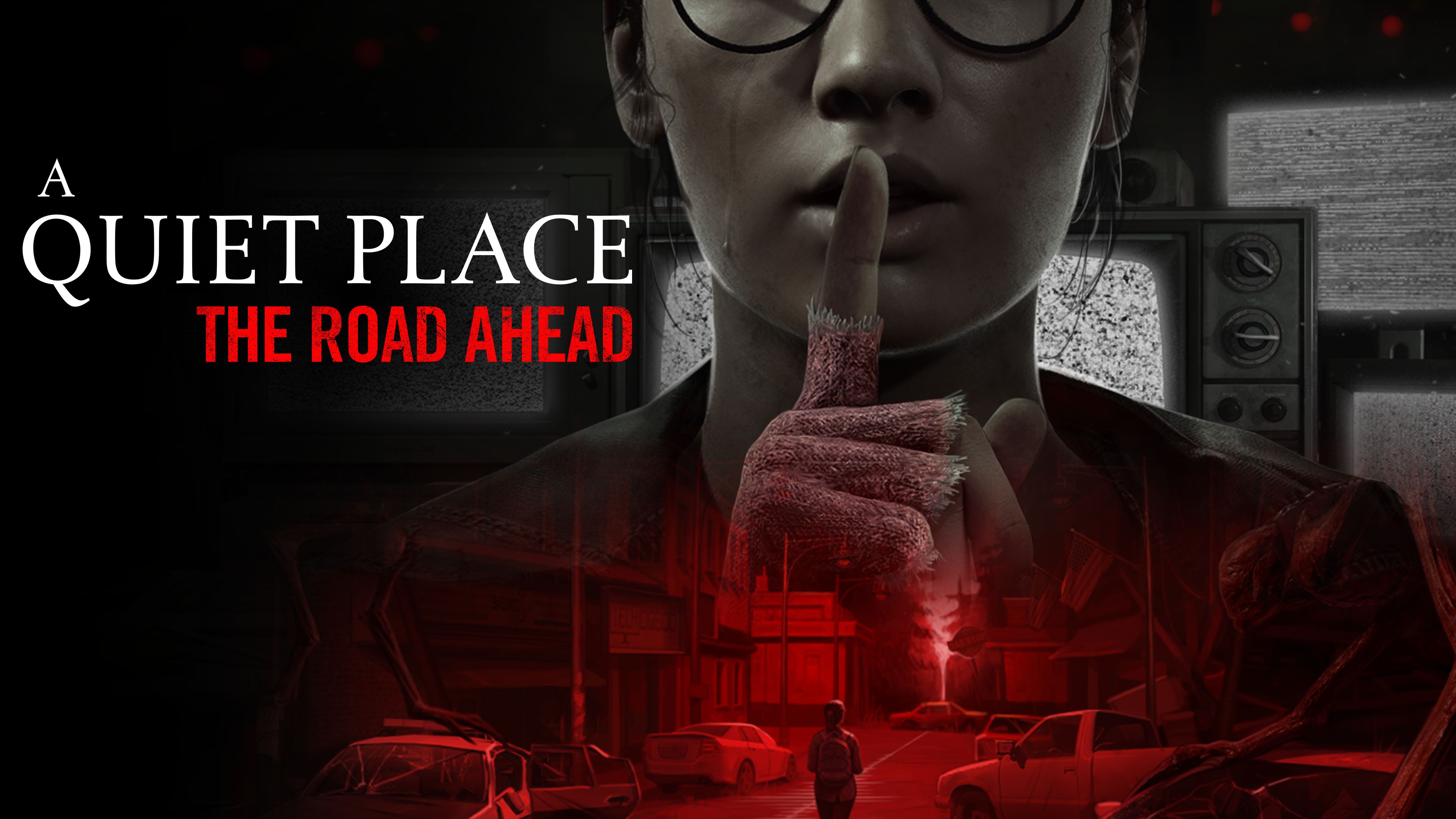
Thinking back to the days of elementary school, I’m reminded of a scene that was both amusing and instructive: every time the teacher had to leave the classroom briefly, she’d assign one of us the role of silence guardian. The chosen one, an improvised ‘human decibel meter’, was tasked with monitoring noise levels, marking any chatter or shouting. Obviously, the poor supervisor quickly became the centre of every kind of pressure, threat, and even attempts at bribery: each of us hoped the transgression would go unnoticed, thus avoiding the teacher’s reprimand upon her return. Playing A Quiet Place: The Road Ahead to prepare the review, I couldn’t help but revisit this memory: a mix of nostalgia and smile, but also a thought about the game’s own educational function. That ‘silence game’ was, in fact, a small masterpiece of accountability: it managed to turn the task into a shared, effective, and, overall, enjoyable experience.
The premise of A Quiet Place: The Road Ahead, the latest effort from the talented Italian developers of Stormind Games, seemed to promise an equally immersive gaming experience. Inspired by the homonymous horror film series, the game transports players into a terrifying and atmospheric universe, where sound — just as in the human ear’s function — holds central importance. Players are tasked with navigating environments dominated by silence, leveraging the power of immersive audio and a detailed graphics engine that amplifies every moment of tension. On paper, an experience designed to be intense and unforgettable.
Unfortunately, the illusion of being in a terrifying world shatters after a few hours of play. The pace, which initially captivates, soon becomes repetitive and exhausting, turning what should be a suspense-filled experience into a frustrating mechanism — and, ironically, silent even in the soul. The world of A Quiet Place turns out to be less terrifying than monotonous: instead of adrenaline, there remains only boredom and the repetitiveness of "puzzles" and identical sections, and the atmosphere loses that emotional weight that initially pushed us to delve into the darkness.
This content is provided by YouTube. To view it, you must allow external content. Activation may result in data being shared with the third party.
What could go wrong?
In the role of Alex, a young woman with asthma forced to endure a pregnancy in a world ravaged, players embark on a journey that goes far beyond mere survival. Four months have passed since the arrival of the aliens, an event that plunged Earth into chaos and left only fragments of what once was civilisation. In this bleak and desolate setting, Alex discovers she is expecting a child from her fiancé Martin. The news of her pregnancy, rather than uniting the group of survivors surrounding her — chiefly composed of Kenneth, her father, and Laura, his mother — instead sparks tensions and deep fractures, exacerbated by difficult decisions and the unexpected burden of unforeseen responsibility. What could possibly go wrong?
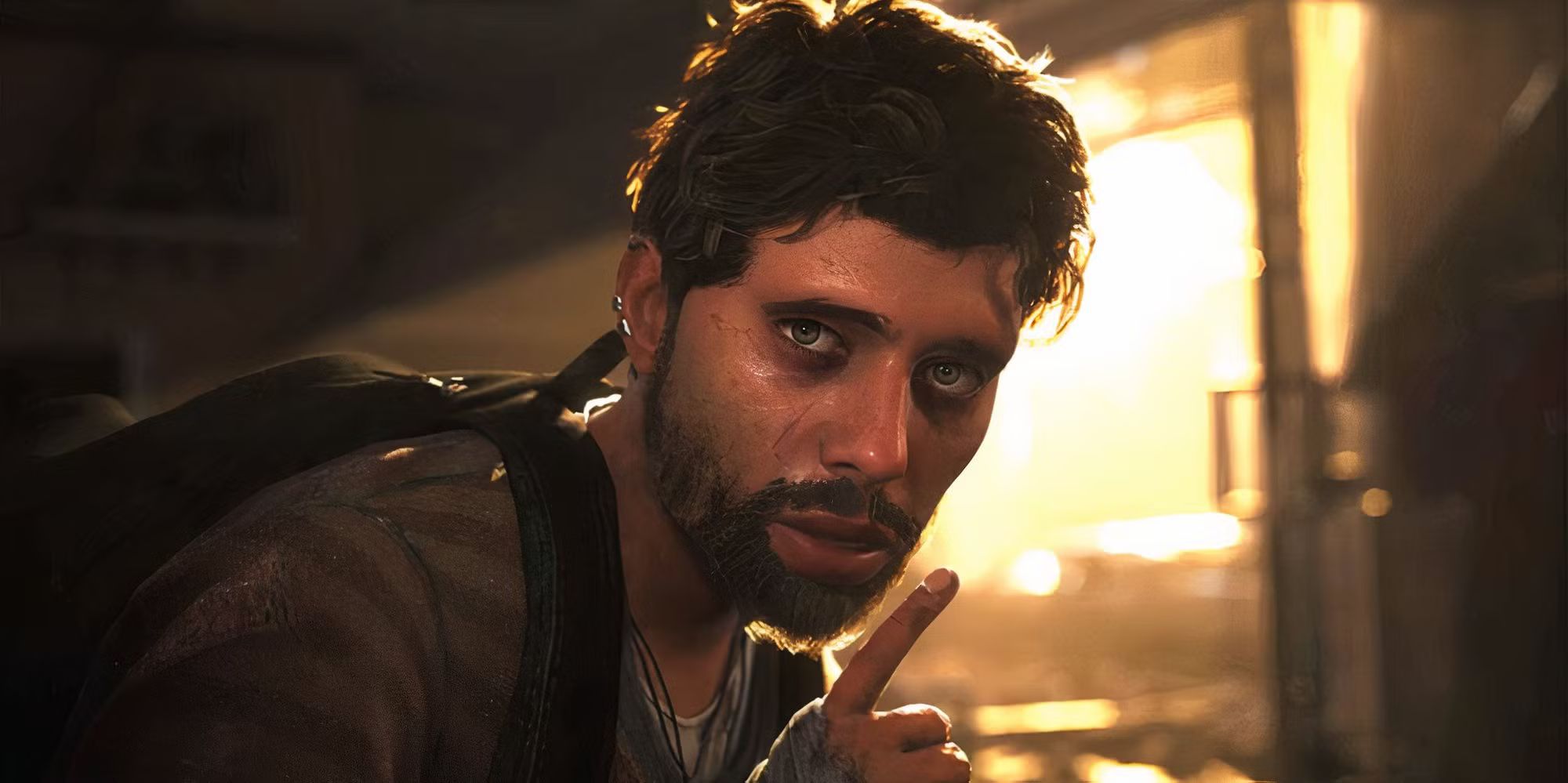
From a narrative standpoint, A Quiet Place: The Road Ahead fails to meet expectations, coming across as thin and lacking genuine engagement. The characters are so forgettable that it’s hard to feel real empathy for them, while the pacing is handled so uncertainly that it seems to wobble under the weight of its own premise. The potential for a powerful and captivating story was certainly there, but it’s undermined from the very first moments, leading to a kind of adventure that’s followed more out of inertia than genuine curiosity or involvement.
The central problem lies precisely in the construction of the character we embody. Alex, a pregnant young woman suffering from asthma, is already in an incredibly vulnerable situation — conditions that would have required a more thoughtful and attentive narrative representation. In a survival context like that of A Quiet Place, the weight of these factors should be tangible and exert a strong influence on her choices and motivations. Unfortunately, instead, the game seems to ignore the logic and coherence of these key elements, leaving Alex without a solid narrative foundation that justifies her actions and her decision to voluntarily expose herself to danger.
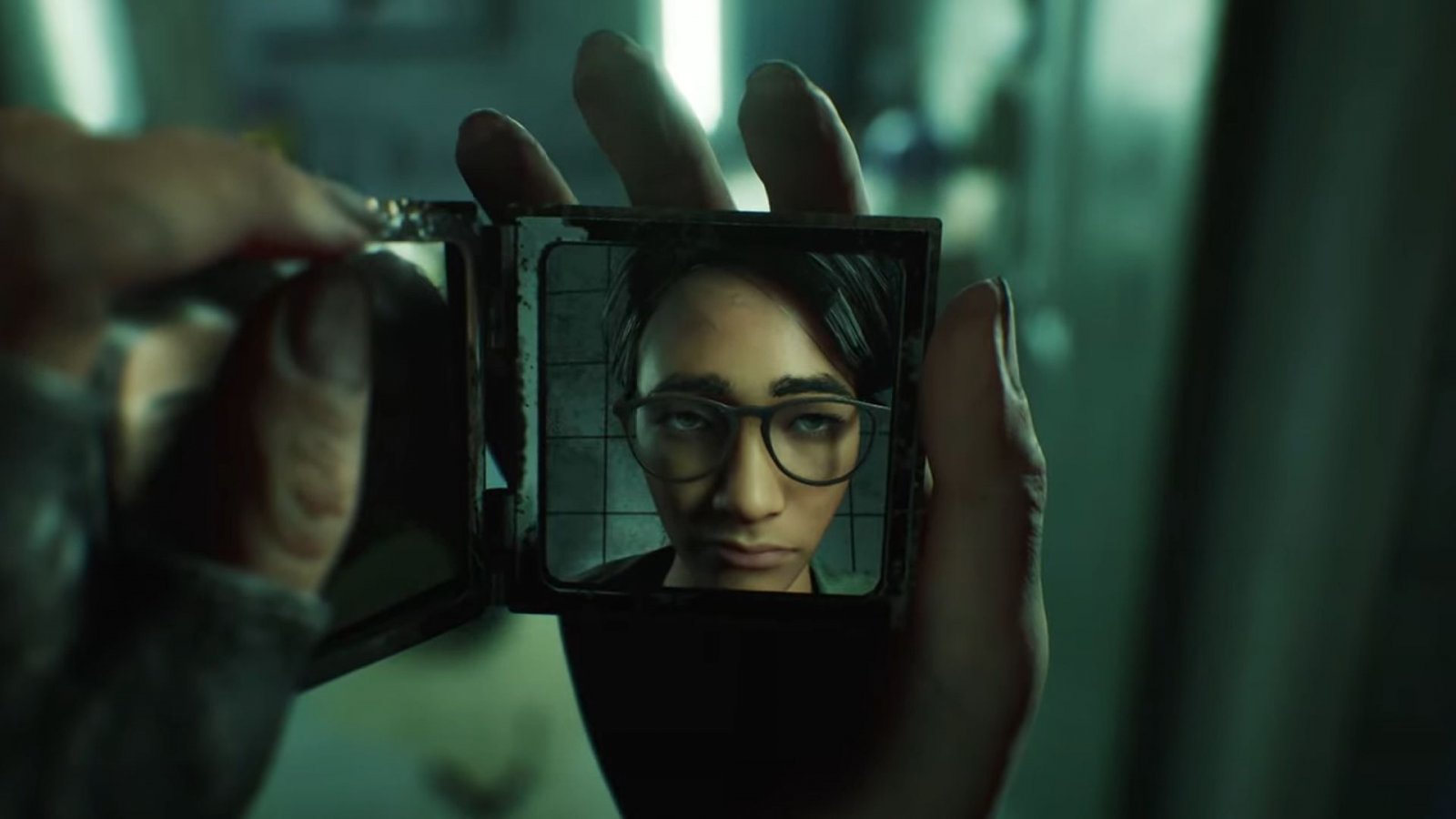
To avoid spoilers, it’s enough to know that Alex’s choices are incredibly reckless, lacking a genuine reason that could justify the extreme risks they entail. As a result, one finds themselves moving from one level to another, never truly immersed or involved, as if the journey were more of an obligation than an adventure. The feeling is that one is simply dragged from point to point, through locations and situations that seem assembled solely to put Alex in danger, without any real logical basis. The construction of suspense therefore becomes artificial, every moment of apparent hope is immediately dismantled, turning everything into a repetitive and predictable sequence, devoid of real tension.
Instead of building a believable narrative progression that accounts for Alex’s vulnerabilities and turns his struggle for survival into a touching and authentic experience, the game resorts to forced threats and situations that challenge suspension of disbelief. The dangers Alex encounters — and from which he seems miraculously to escape — are so implausible that one is forced to question the plausibility of every scene. In a realistic context, a person with such fragilities would hardly survive even a few minutes outside; yet Alex moves through the lethal Angels of Death as if his condition has no effect whatsoever.
The apocalypse of WD-40...
From a gameplay perspective, A Quiet Place: The Road Ahead immerses us in a first-person horror experience reminiscent of survival stealth games like Outlast or Alien: Isolation. Here, the player has no means of defending themselves against the Angels of Death, relentless and lethal creatures. The only option is to hide, move silently, and exploit (or better yet avoid) every element of the environment to avoid drawing attention. The sense of vulnerability is constant, as even the smallest mistake can lead to a fatal encounter.
The world of gaming is littered with elements that emphasise this fight against noise. Alex is, in essence, a "moving sound source": every step, every movement, risks becoming a sound that could draw the attention of aliens. The game introduces an incredible variety of noisy obstacles that test our ability to be stealthy. Among them: Bengal torches, handheld torches, puddles, autumn leaves that creak, tin cans rolling, metal barrels, doors, locks, and drawers that have never seen a can of WD-40 in their lives, every small detail seems designed to create suspense, perhaps even excessively so.
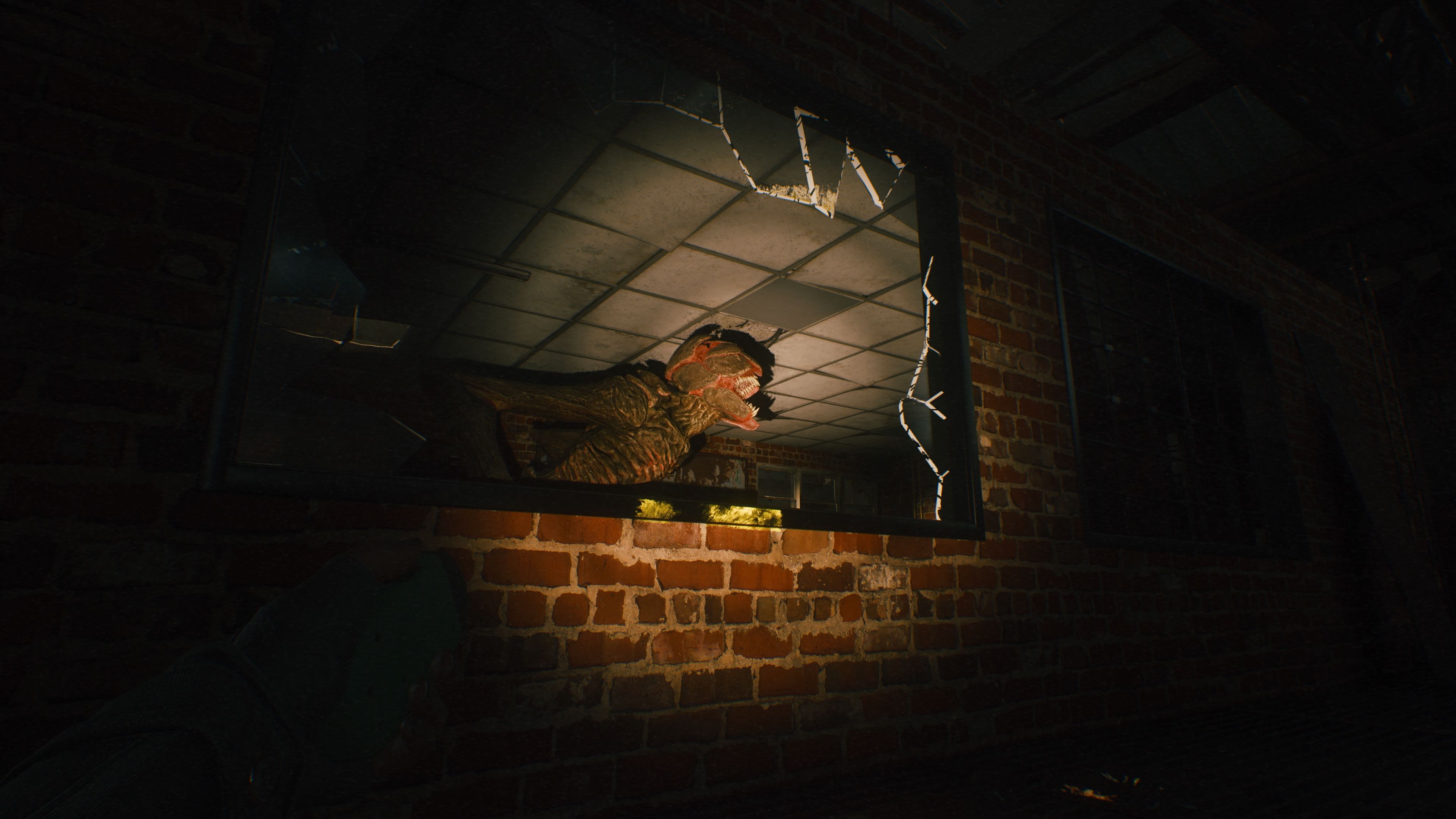
The experience, although initially stimulating and capable of generating moments of true tension, risks becoming repetitive in the long term, as the constant emphasis on this hide-and-seek style of gameplay can eventually give rise to a sense of frustration, especially when the aliens appear deaf to the distractions we create, only to inevitably locate us due to a fragment of shattered glass under the soles of our shoes. The constant need to avoid noise becomes exhausting, as does the need to perform any action at a snail’s pace.
Even the level design reflects some questionable choices: in a world where every sound can mean death, one would expect meticulous attention to silence and precise movements. Yet, in A Quiet Place: The Road Ahead, there seems to be a fundamental contradiction: metal cans, trash, and noisy objects are scattered everywhere, almost as if everyone had abandoned their caution and dumped their food in containers as soon as possible. The presence of these containers is a constant trap: touching one is enough to make it fall, causing a loud noise that can attract the Death Angels.
Every new area also seems to be built with a clear intent: to force players to move through a space littered with sound traps that the Death Angels can focus on. However, as the adventure progresses, this system begins to reveal its limits, and paradoxically, becomes a problem even for the enemies themselves. When the Death Angels are forced to act as a constant threat in an area, their own large, bulky hitboxes end up triggering environmental sounds, constantly alerting them and breaking immersion, in addition to generating frustrating moments.
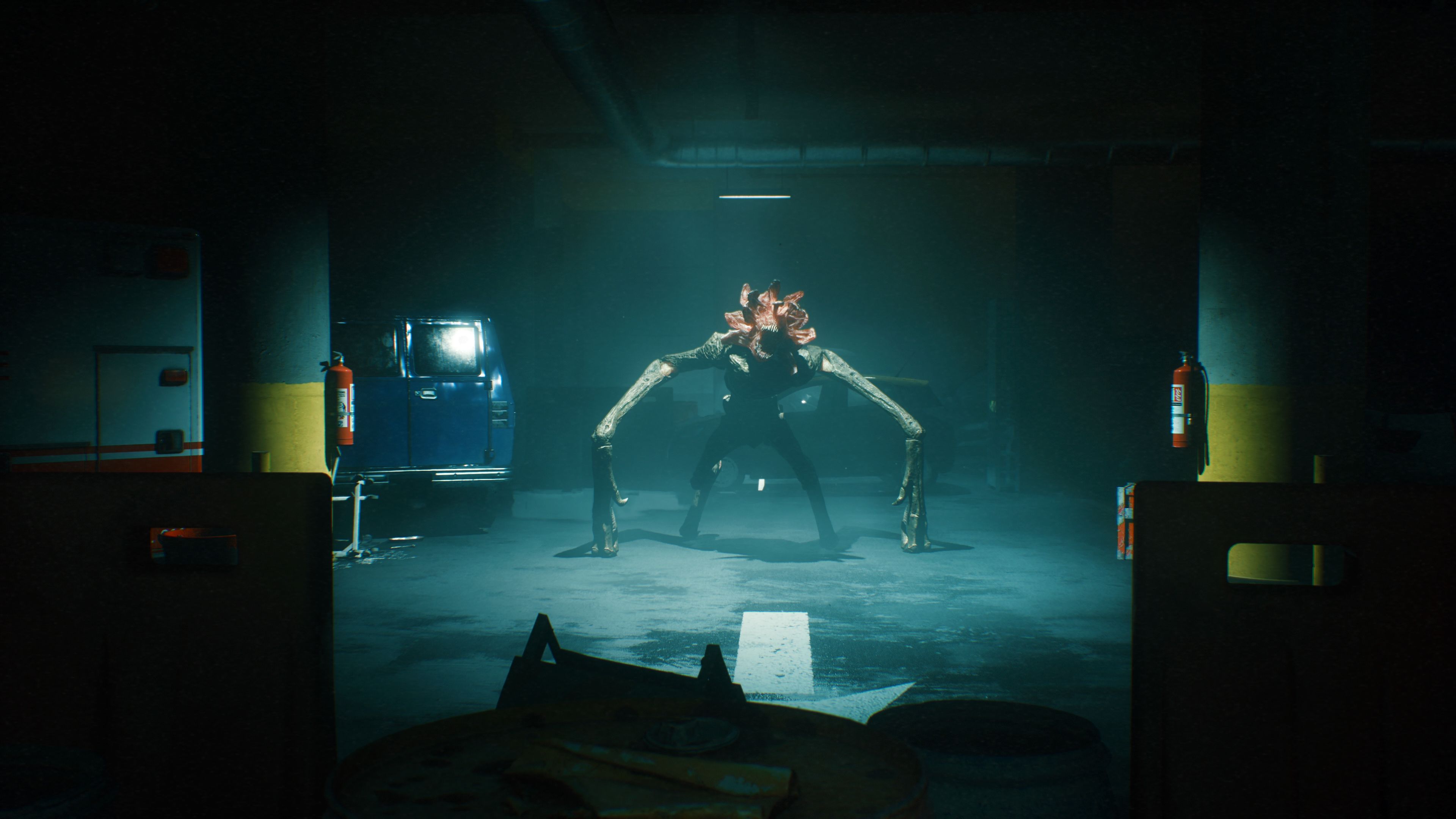
This choice, combined with the constant presence of "sound cues" that indicate the Death Angels’ alert level, results in a near-permanent auditory effect that becomes an omnipresent background hum, especially in the final sections. Instead of amplifying tension, the effect is a kind of cacophony that reduces the weight of threats, turning what should be a tension soundtrack into a background noise that risks desensitising the player, stripping away the suspense necessary to keep attention alive.
In the long run, the experience loses its impact: the absence of quiet moments that allow for true acoustic contrast undermines the horror atmosphere and makes the Death Angels’ behaviour predictable. The overuse of sound cues, instead of making the world feel more immersive, ends up revealing its mechanical structure, exposing the repetitiveness of interactions and the limits of a design that could have been more varied and impactful.
... and the Ventolin
The protagonist, as already mentioned, suffers from asthma, and every minor effort ends up compromising her breathing capacity: when stress levels reach a threshold, a Quick Time Event (QTE) triggers, which must be overcome to avoid an asthma attack that would otherwise attract all nearby creatures. This mechanic, conceived to add tension, quickly proves to be a source of frustration. Aside from walking, literally every action — from picking up an object to hiding behind an obstacle — fuels the asthma indicator, forcing the player to remain constantly on guard. Unfortunately, asthma ends up being merely a narrative device designed to cause disruption, not genuinely integrated into gameplay, much like Alex’s pregnancy, which at least doesn’t interfere with the game. Over time, this respiratory indicator becomes a burden, reducing the initial tension into mere irritation.
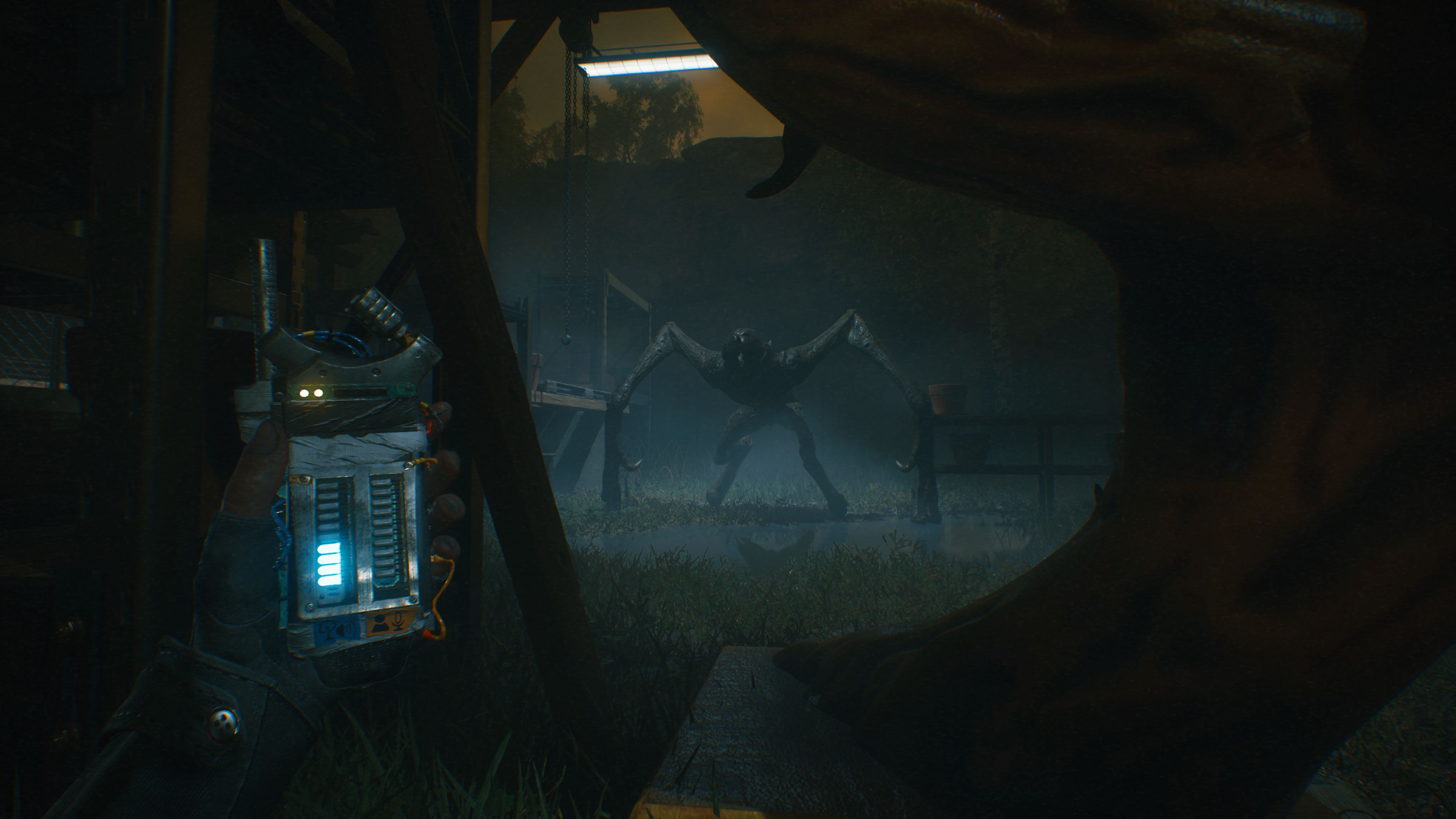
Worsening the situation is an artificial intelligence that makes the Death Angels “scripted” in a frustrating way. Despite being blind, enemies appear magically in the most inconvenient spots for the player, even when moving silently. This reduces the gameplay experience to an even more lopsided confrontation: no matter how carefully you proceed, the Death Angels will inevitably end up right in our path. The recurrence of these situations undermines the sense of immersion and control, causing the player to lose interest and even stop trying to avoid the noises.
It doesn’t help that The Road Ahead unlocks additional mechanics in a disorganised way, without coherence. For example, only halfway through the game is the ability to throw objects to distract the Death Angels unlocked — an action one would expect to be freely usable once introduced. Instead, bricks and bottles appear only when narratively required and in many cases serve a single specific purpose. This approach, which in fact breaks immersion with tutorials even five minutes into the game’s end, accumulates new mechanics without ever truly integrating them durably. The player ends up in a sequence of micro-lessons, each based on a temporary ability that disappears immediately after being introduced, leaving no room for more dynamic or varied strategies.
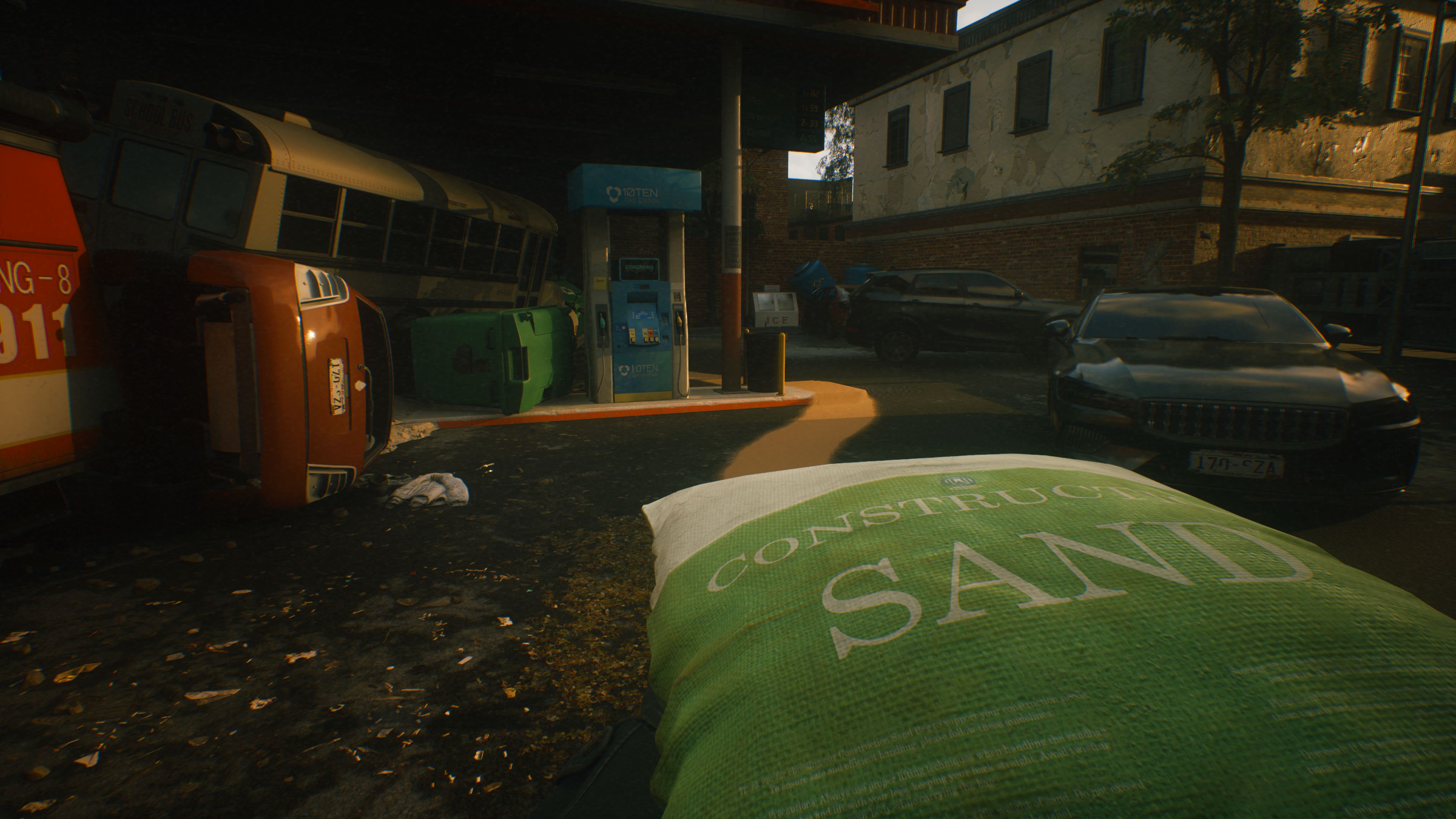
In the end, the game fails to offer a variety of options to escape the Death Angels. The only approach remains always the same: crouching, hoping not to make noise, and praying that the creatures don’t patrol exactly the area where you are. The experience, which could have been a sustained psychological tension, becomes instead a repetitive cycle of limiting mechanics, revealing early on the rigidity of a design that suffocates any potential suspense in favour of a monotonous predictability.
Technically speaking
We tested A Quiet Place: The Road Ahead on the following setup:
AMD Ryzen 7 3700x @ 3.60 GHz
Gigabyte RTX AORUS Master 3080 Ti 12Gb
Corsair Vengeance RGB RT 32GB DDR4 3600MHz
LG 34GN850 Monitor at 3440x1440 (21:9)
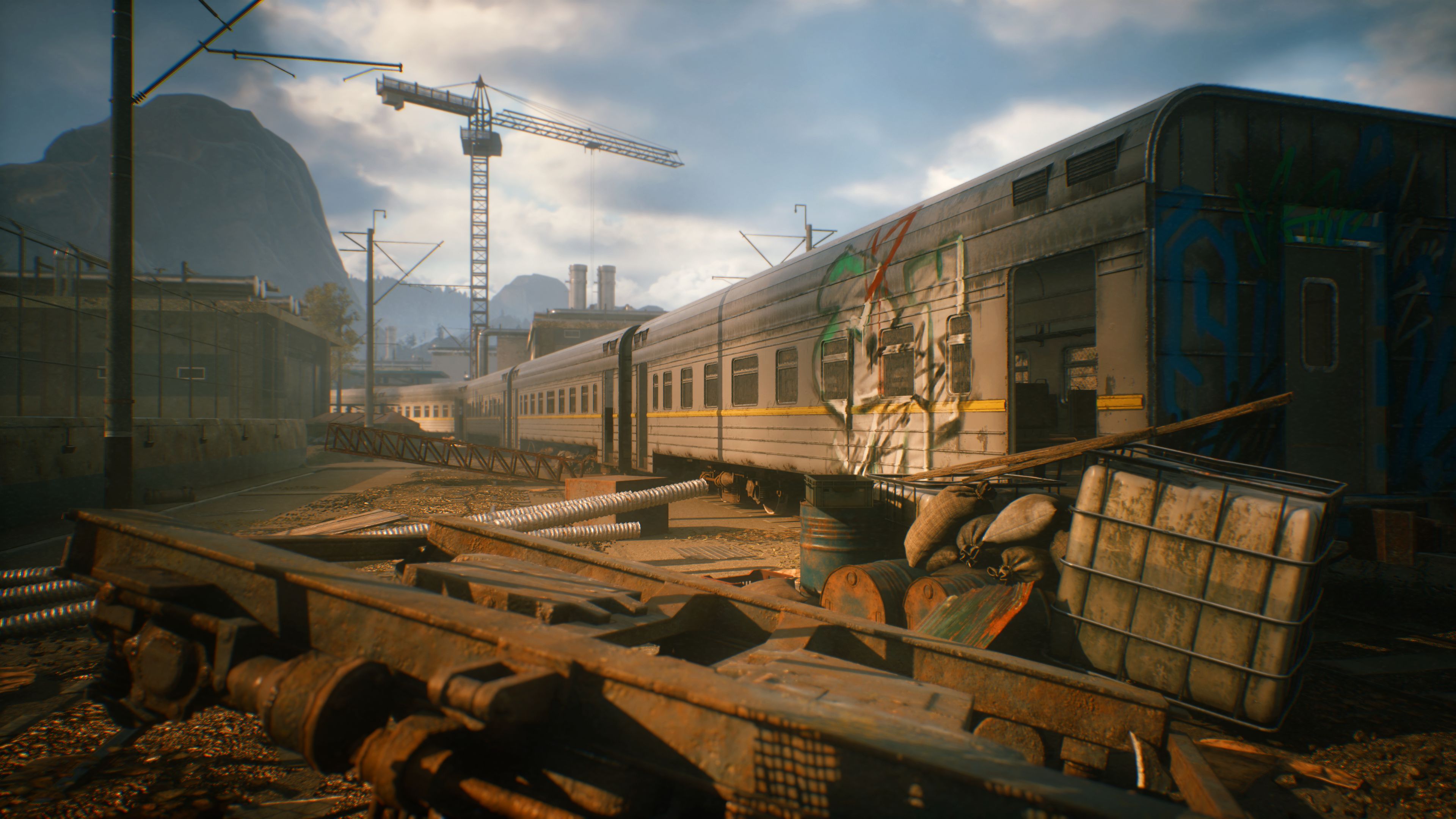
If there’s one element that stands out in A Quiet Place: The Road Ahead, it’s certainly the graphics. Visually, the game delivers a consistent and polished result: character models and environments are detailed, and the lighting system, with its shadows, creates a gloomy and unsettling atmosphere that perfectly fits the A Quiet Place universe. Although some distant details show minor imperfections, the graphical fidelity is impressive and manages to capture the viewer’s attention. The Death Angels, in particular, are rendered magnificently, with a menacing and sinister appearance that makes them both visually captivating and unsettling. However, some locations suffer from a “set design” effect, appearing more like cinematic sets than real-world locations, which can further undermine immersion.
The audio department has largely succeeded, thanks to a sound design that, in its simplicity, manages to build a constant sense of tension. The use of sound — or rather, silence — is essential for immersing the player in the game’s universe. However, as previously mentioned, some audio effects are so repetitive and mechanical they become fatiguing. The main issue lies in the repeated "musical jingles" that accompany every sudden appearance of the creature: whether a Death Angel breaks through a wall, appears on a rooftop, or notices a thrown brick without finding anyone, the game resorts to these auditory jumpscare moments excessively and predictably. Instead of building genuine tension, these sounds become an overused gimmick, breaking the suspense and making the experience more monotonous than unsettling.
In conclusion
A Quiet Place: The Road Ahead presents a promising concept and a notable visual style that captures the bleak atmospheres of the original universe. However, narrative shortcomings, predictable artificial intelligence, and a mechanic design that prioritises frustration over suspense make the game an experience that quickly loses its allure. The sound control system, rather than adding tension, often exacerbates it, with an asthma that becomes a nuisance rather than a feature, and a sound design that overuses jumpscare. Ultimately, what was meant to be an immersive journey through a post-apocalyptic world turns out to be a repetitive sequence of forced actions, lacking the variety and care that would have made the game memorable.