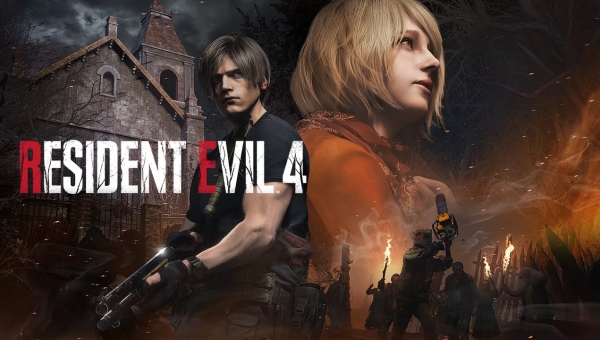
After the extraordinary success achieved with the remake of the second chapter and the half-step misstep of the third, Capcom wants to surpass itself by announcing the improved and refreshed version of Resident Evil 4, one of the "installments" most iconic and well-executed entries in the saga known in Japan as Biohazard. But how can one improve something already defined by many as a masterpiece? Could a modern painter create an improved version of "The Kiss" by Francesco Hayez? Could a 21st-century sculptor make changes so radical as to revolutionise Michelangelo's "Pieta"? It’s therefore not to my mind a fair criticism to find the somewhat sceptical reception this remake has triggered among many fans (alongside, of course, the overwhelming majority of ecstatic reactions): Capcom could have easily ordered a 1:1 reproduction of the original 2005 version in RE Engine and then slapped the title of Remake on it. Thank goodness it wasn’t so.
This content is provided by YouTube. To view it, you must allow external content. Activation may result in data being shared with the third party.
"The outsiders!"
The team led by Yasuhiro Anpo, tasked with developing Resident Evil 4 Remake, didn't feel intimidated by the heavy legacy left by Shinji Mikami, approaching the original work with extreme respect and caution. A work that, nearly two decades ago, inspired a deep revolution in two video game genres simultaneously: third-person shooters and, obviously, survival horror, or horror more generally. With Resident Evil 4, Mikami made what can be considered a total and complete gamble, implementing a whole series of changes to the brand that succeeded in revolutionising it without losing its essence: abandoning the traditional static camera angle to place it behind the protagonist, adopting a decidedly more action- and combat-focused approach. Crucial shifts that would later be reused in the two subsequent chapters (not directed by Mikami) without achieving the same level of player success or favour. revolutionising it without losing its essence: abandoning the traditional static camera angle to place it behind the protagonist, adopting a decidedly more action- and combat-focused approach. Crucial shifts that would later be reused in the two subsequent chapters (not directed by Mikami) without achieving the same level of player success or favour.
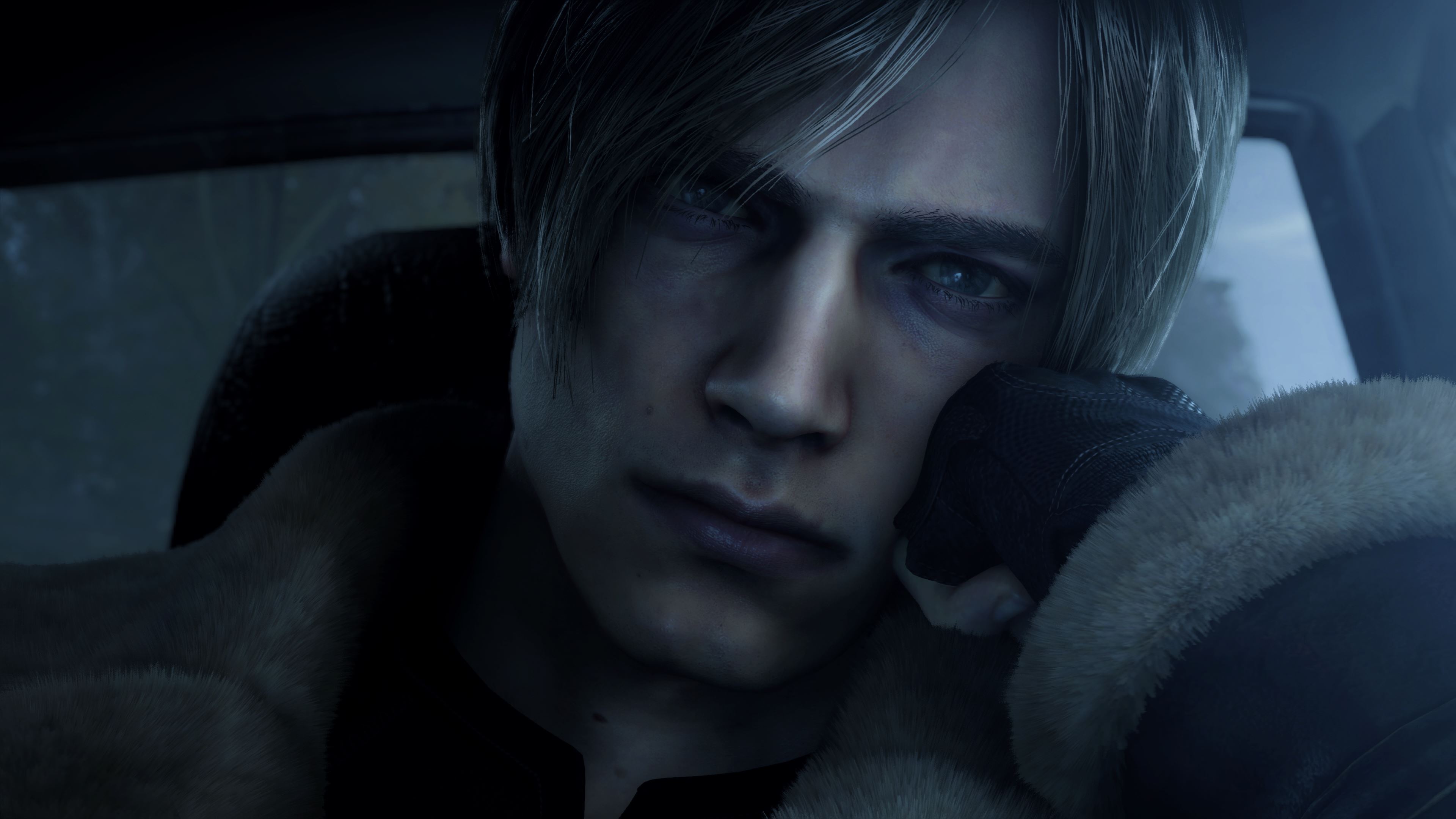
As you’ll recall, the events of Resident Evil 4 take place in 2004: it’s been six years since the Raccoon City outbreak, and Leon S. Kennedy has landed in Europe, specifically in the Spanish countryside, to locate and retrieve Ashley, the President of the United States’ daughter, kidnapped by a sect called "Los Illuminados". Leon has left the police and is now a government agent, more mature and experienced. But while years of Marine training have sharpened his combat skills, they haven’t quite subdued his cocky nature, which we’ll appreciate when, after a few killings, our ex-policeman mocks the poor Ganados just slaughtered.
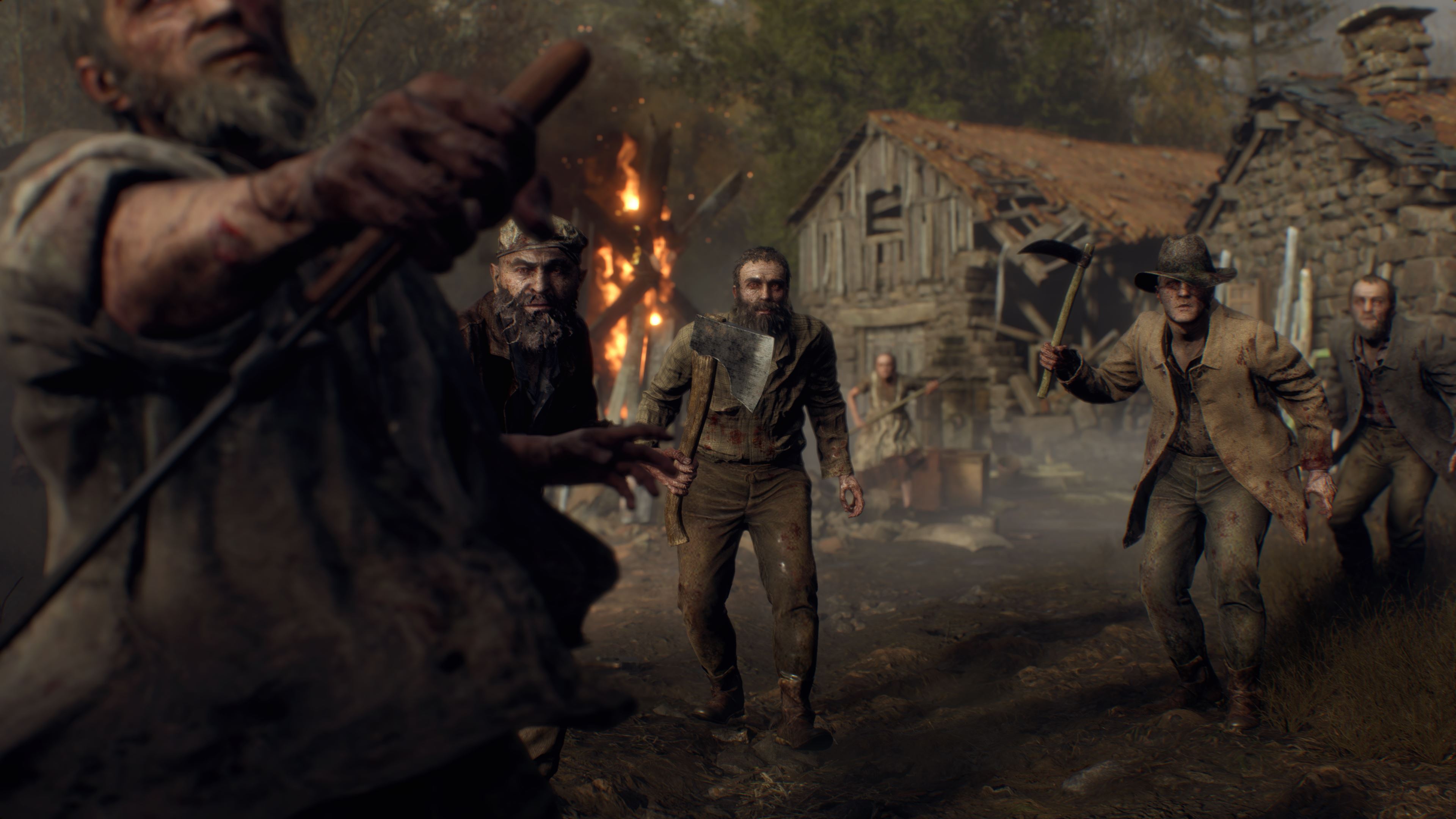
The Ganados represent another novelty within the brand: they are humans infected by a particular parasite called "Las Plagas", which makes them far more resistant to injuries and endowed with a blind, murderous rage directed solely at the uninfected. Ganados represent them as a new addition to the brand: they are human beings infected by a particular parasite called Las Plagas, which makes them much more resistant to injury and equipped with a blind, murderous rage directed at the uninfected. Leon first encounters the Los Ganados in a remote village in the Spanish countryside, where two police officers had taken him — only to be brutally killed by the infected inhabitants. An initial section, that of the village, has been largely preserved, given its iconic status not only within the original work but throughout the entire Biohazard saga as a whole.
Resident Evil has always been known for being over-the-top, blatant, at times even overly predictable, but its formula has always worked and in this regard it certainly helps the fact that as far as lore and narrative consistency are concerned, Capcom is extremely precise and rigorous, despite the fact that it’s now genuinely difficult to keep up with all the story elements, given the considerable number of main chapters and spin-offs released over the years. In this remake, the Anpo team has wisely decided to make changes to the narrative aspect in an attempt to give it greater seriousness and coherence in the eventsSome scenes have been moved to be recontextualised, very little has been cut (cough...unlike RE3...cough) and certain sections have been expanded and deepened, with new explorable areas and new encounters to face. It’s no coincidence that, apart from mini-games and side missions, the 2023 version lasts between 12 and 15 hours in contrast to the original’s 7-8 hours.

Many, if not all, characters have been rewritten and reworked, giving some much more space, such as Luis, or making others more bearable, isn't that right, Ashley? Missing, but no one can blame the team for it, the mini-story dedicated to Ada Wong, Separate Ways, which was unlocked after completing the original game at least once. In compensation the Mercenaries mode has already been released and, on its own, can further extend the game’s lifespan well beyond 20 or 30 hours (and we kept it low).
"Got somethin' that might interest ya'!"
It seems impossible, but at the gameplay level, this remake has undergone significant changes. The team appears to have aimed to bring the fourth chapter in line with the others, slightly reducing the action component and enriching the classic survival-horror aspect. Attention: ammunition and healing items won’t be missing, but their use should still be managed sparingly if you don’t want to end up in trouble quickly. What’s actually been adjusted is the Ganado resistance, raised upwards, and the effectiveness of weapons, slightly lowered instead. The number of enemies you’ll have to face in various combat scenarios is certainly greater than in 2005, probably also due to modern hardware capabilities, but we believe it’s also a deliberate choice to reduce the lethality of an action title that our favourite ex-policeman had years ago on GameCube. That’s right..
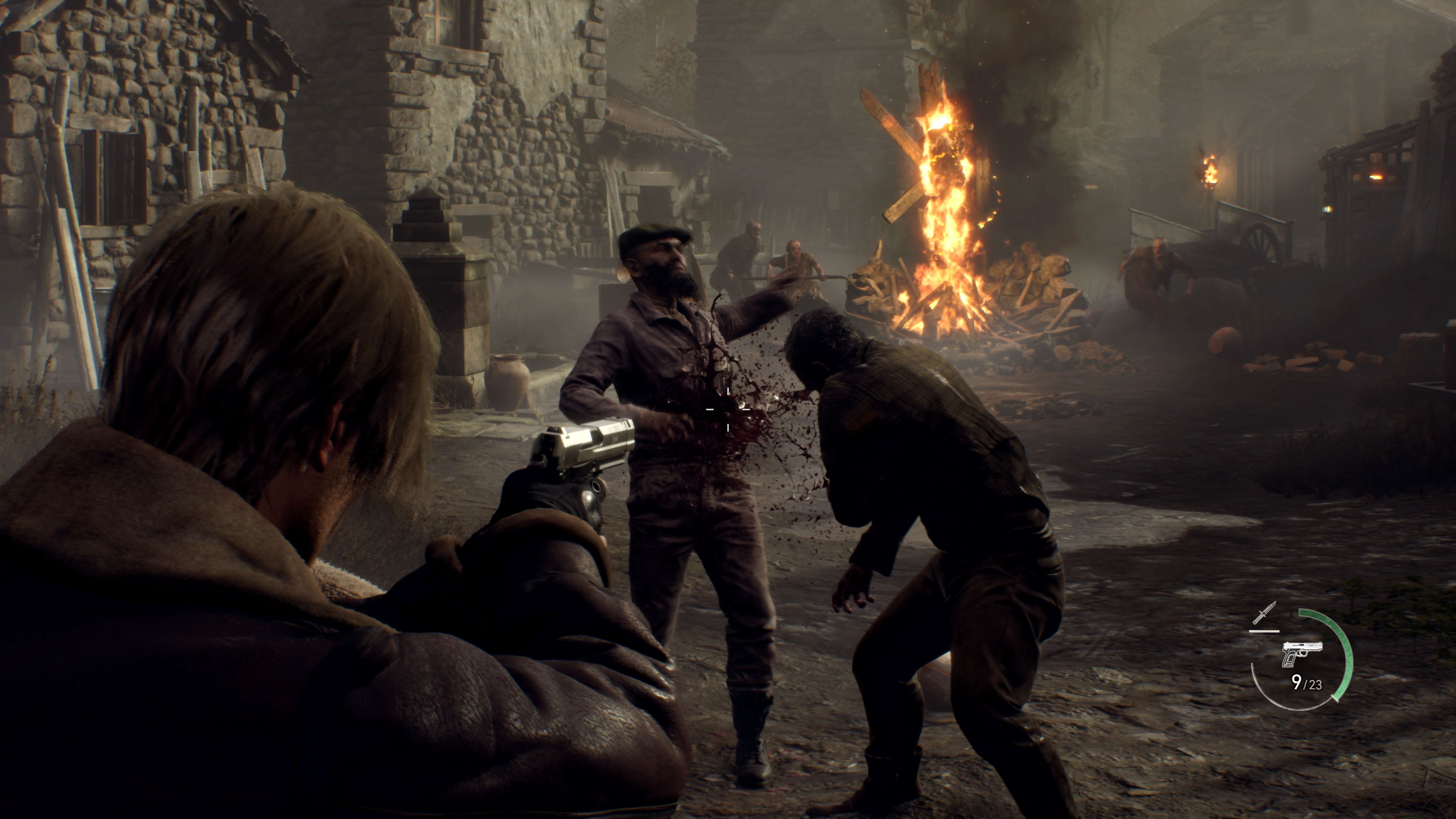
Compared to his console adventure Nintendo, Leon S. Kennedy is definitely more mobile and fluid in the animations than the original: he can now move while shooting or reloading, can use his hands when things get too "intimate", stretches his back during breathing moments and never fails to make us feel his fatigue with painful and frequent (too frequent) groans and sighs. The knife remains a very loyal companion and, in this remake, even more so. Given the relative scarcity of resources, using kicks and punches or exploiting the blade of our knife will be the best choice to conserve precious ammunition. When an enemy is knocked out, we can send them flying with a spinning kick and there are also spectacular and bloody knife executions. Sometimes you land a Ganado only to see it begin to contort: it’s time to end its suffering by stabbing its skull with a stainless steel blade, unless you fancy facing it again in a powered-up version. The game also offers a few sporadic stealth sections, but don’t get too optimistic: in most cases you’ll have to clear the way with force, disembowelling bellies and chopping limbs (the gore system is a delight, though we’ve all heard this by now?).but don’t get too optimistic: in most cases you’ll have to clear the way with force, disembowelling bellies and chopping limbs (the gore system is a delight, though we’ve all heard this by now?).
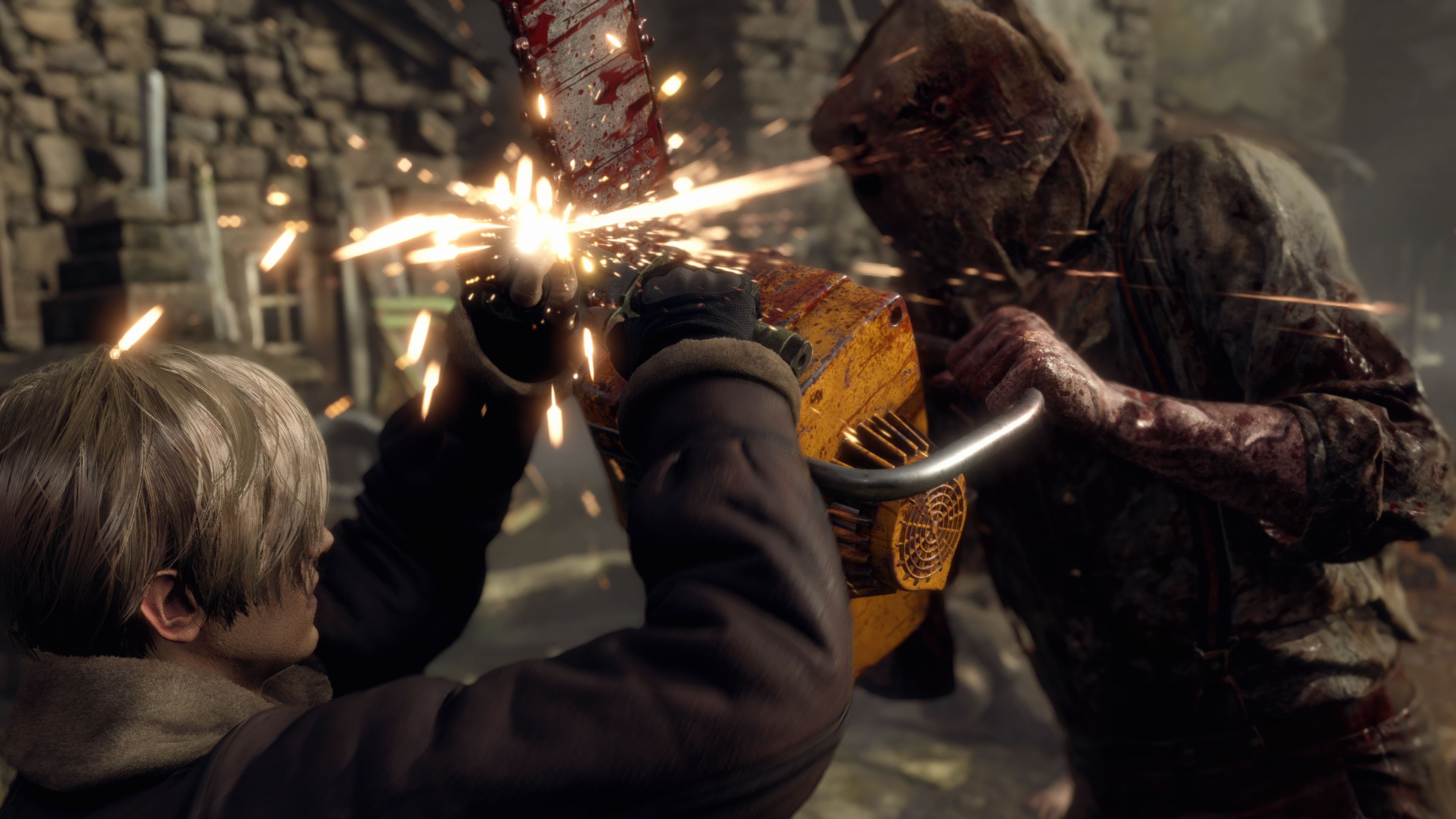
The knife is useful not only in offensive phases but also — and perhaps even more so — in defensive ones: Leon, thanks to years of training, and to our generous suspension of disbelief, can parry almost anything with the blade of his knife.Darts, melee attacks, whip strikes from the Plagas’ tentacles — nothing will pass the vigilant guard of agent Kennedy. And yes, it looks like a Miracle Blade advertisement, but it’s actually that. Fortunately, Capcom isn’t so careless as to insert such a powerful mechanic without balancing it, sinceevery action performed with the knife reduces its durability , until the blade breaks. You can’t abuse this precious ally, and if it’s true that during the adventure we’ll find disposable lucky knives, our "main knife" can be smartly upgraded and repaired by the only and unmistakable Merchant.The sight of a purple lantern in the hostile lands dominated by Lord Osmund Saddler is salvific, even purifying. The mysterious arms merchant will always have a word of comfort for us ("foreign battle stench"...poetry) and will be willing to supply us with weapons or buy the valuable items we’ve acquired — legally or otherwise. We can also redeem secondary mission rewards, which will usually consist of the famous Spinelli, particularly valuable stones exchangeable for equally useful and rare items.
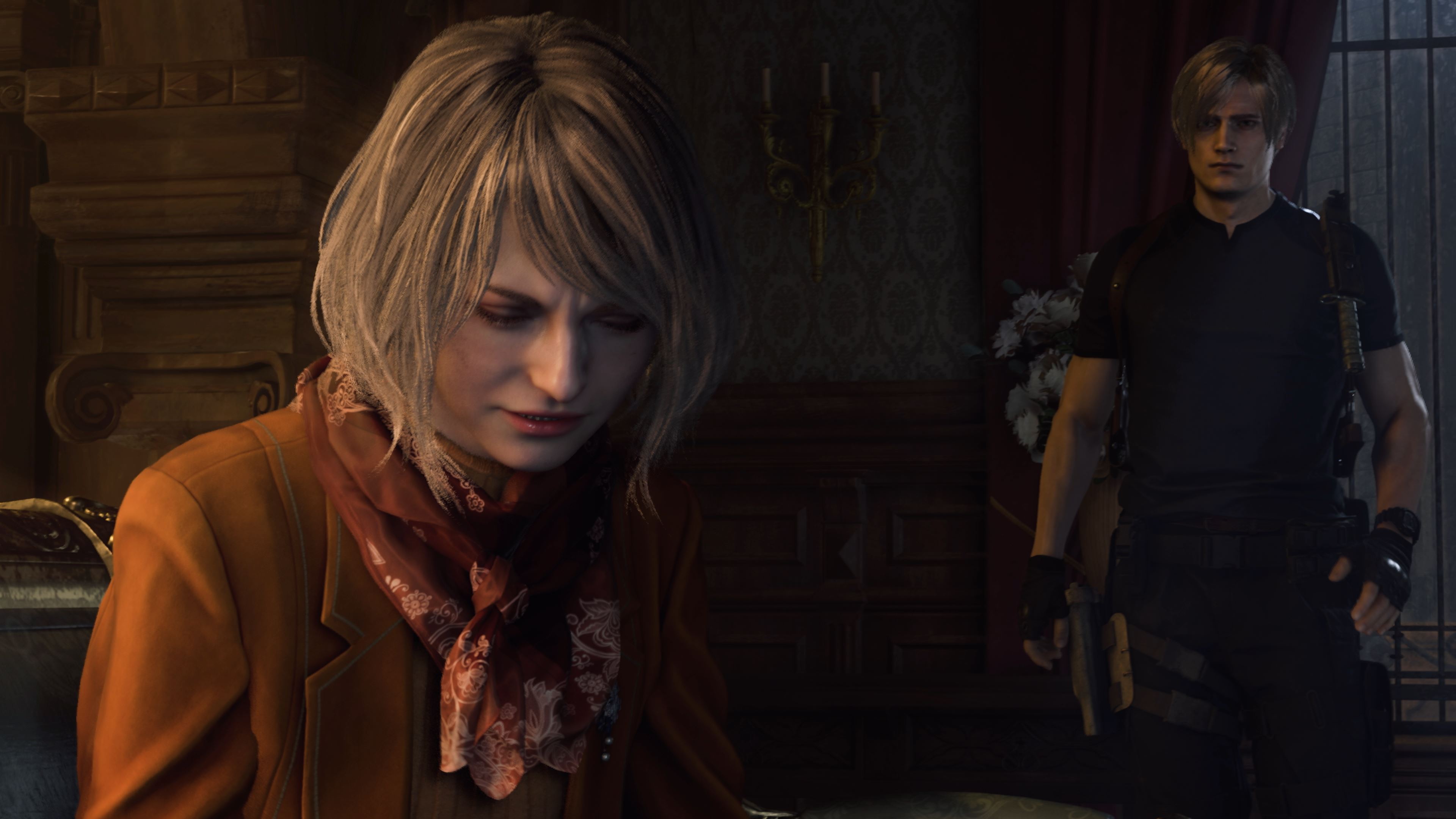
Completely revamped is also the experience with the vulnerable Ashley, who is now certainly less distressing and frustrating: beyond a noticeable improvement in artificial intelligence, we can now command her to stay close to us or move away to escape potential ambushes. improvement of the artificial intelligence, we can now order her to stay close to us or move away to put herself in safety from potential ambushes. The president’s daughter she no longer has an HP bar to determine her death (and thus the game over) but she’ll simply be incapacitated, a status from which we can “wake her up” with a few simple moves. Occasionally, some lustful Ganados will try to take her away by slinging her over their shoulders, but don’t worry — nothing a well-aimed shot to the back can’t solve.
The big missing feature of this remake, finally, are the QTEs. QTEs. The fight with Krauser is a relief, but personally, I never found them intrusive or annoying in the original, and I wouldn’t have disliked them even here. I’m just a whitefly in this, so it’s fine — kill the QTEs, if you must.

Technically speaking
We tested Resident Evil 4 Remake on the following setup at maximum detail (RTX OFF):
AMD Ryzen 7 3700x @ 3.60 GHz
Gigabyte RTX AORUS Master 3080 Ti 12Gb
Corsair Vengeance RGB RT 32GB DDR4 3600MHz
LG 34GN850 monitor at 3440x1440 resolution (21:9)
The RE Engine once again proves itself a reliable engine, offering a level of optimisation genuinely above average for the AAA titles released recently on. PC. Graphically, the impact is spectacular and the level of detail and cleanliness is almost manic. The frame-rate is satisfactory for most of the adventure but is put to the test when the rain begins to fall, with the fps dropping in tandem with the water droplets. The already mentioned gore system gives every strike and every bullet a sense of purpose. The maps and locations we knew so well now enjoy a new lease of life and are expanded with new sections of equal beauty and atmosphere, to the point that, upon finishing the game, one paradoxically feels nostalgic for those places — actually so hostile and depressing.
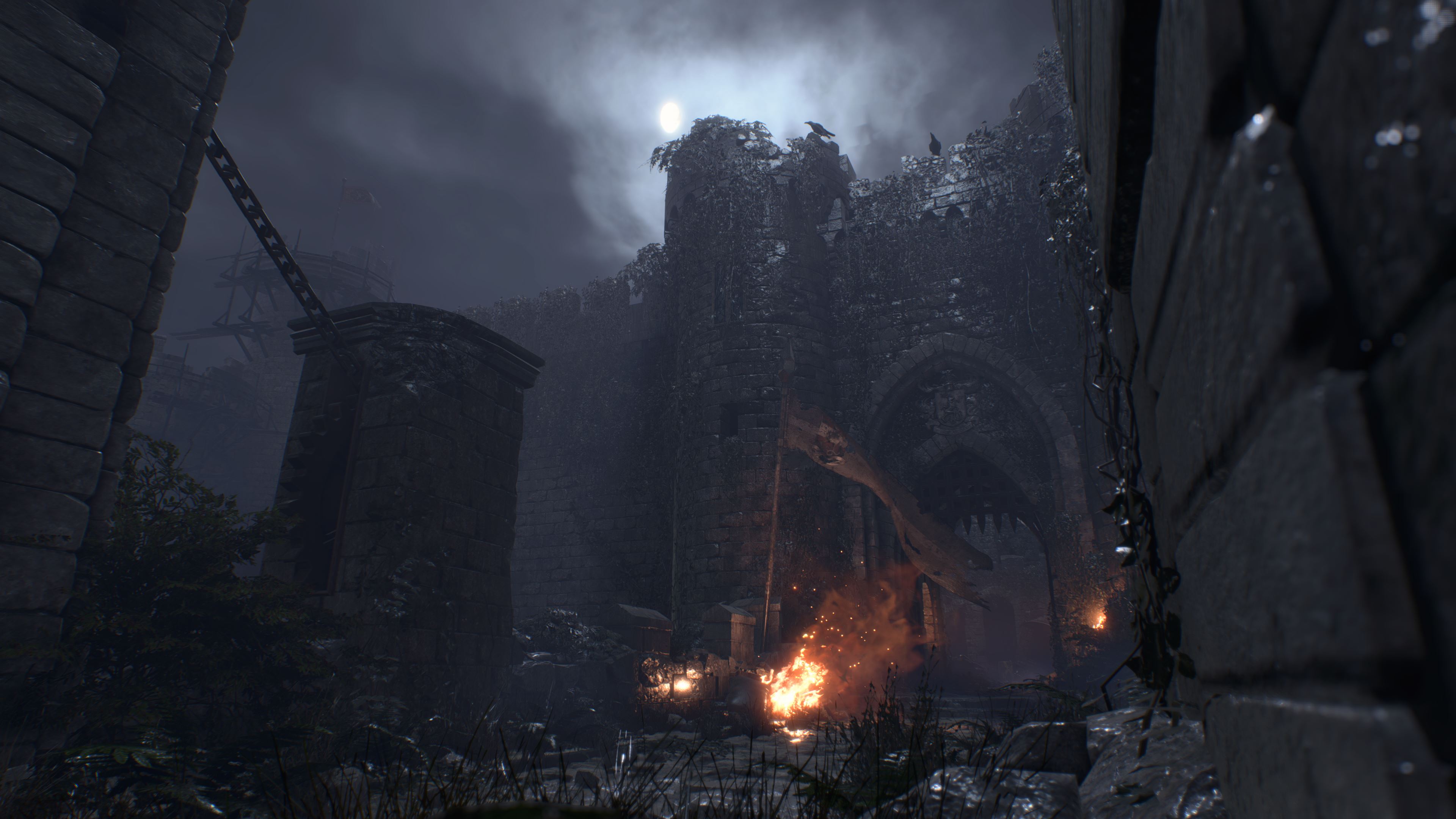
Regarding the sound, the English voice acting is excellent... well, yes, we played it in English as a tribute to the past. But please note that the title is still fully localised in Italian, a rarity these days. The title is still fully localised in Italian, a rarity these days. Completing the oppressive atmosphere already established by the graphics, the sound design adds its own layer with Spanish moans, screams, gurgles and constant threats that will keep you on edge.
In conclusion
The answer to the question I posed at the start is: yes, a masterpiece can be improved. The team led by Yasuhiro Anpo, with great respect and talent, refreshes what has become outdated and innovates the rest intelligently and coherently, delivering what may well be the definitive Resident Evil experience so far. From the narrative to the technical, passing through the purely gameplay aspects, there’s truly nothing that stands out in this work, nothing that made us cringe or miss the original. Now it’s natural to wonder: will Capcom be able to revitalise a controversial and criticised title like Resident Evil 5? Given our love for this saga, we can only hope so.