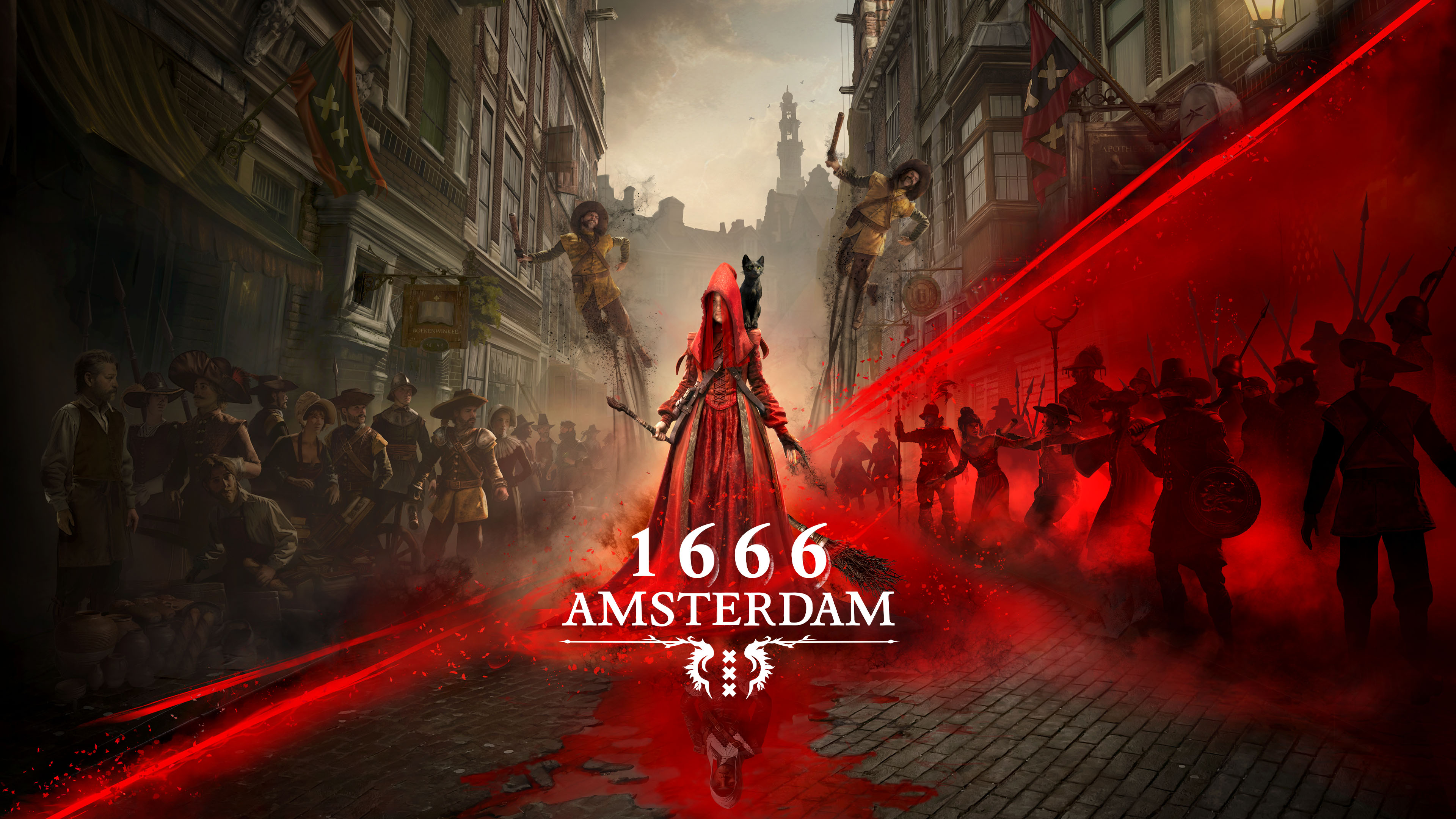
1666 Amsterdam is a project that follows a rather unusual story and brings with it a name as important as that of Patrice Désilets, known mostly for creating Assassin’s Creed. This time, however, the concept is very different. We find ourselves in Amsterdam in the 17th century and take on the role of Noa, a young witch belonging to the Collector. Our task is to identify the Originals, supernatural beings hiding among the population. The premise is certainly interesting because it combines investigation, exploration, witchcraft and combat, aiming to create an experience that is not merely a historical adventure with a few fantastical elements. The problem is that some of these ideas already work very well, while others still seem quite distant from the form they should take.
This content is provided by YouTube. To view it, you must allow external content. Activation may result in data being shared with the third party.
Amsterdam conquista fin dal primo momento
If there’s one element that immediately convinces, it’s certainly the game world. Amsterdam has been rebuilt with notable care, and among canals, narrow streets, houses, and interiors you can sense a real attention to historical accuracy. The city doesn’t just serve as a backdrop but becomes an important part of the experience.
The art direction also does a great job. The game manages to move seamlessly from historically realistic settings to much darker, supernatural situations without losing its own identity. It’s inevitable to compare it with Assassin’s Creed, especially regarding the historical period and how the city is constructed, but 1666 Amsterdam seems to be taking its own path. And it’s probably this personality that is one of its most interesting aspects. Exploring Amsterdam is pleasant, and at several points it feels natural to stray from the main objective to see what a side street or an apparently unimportant building might hide.
Investigation and magic are the best ideas
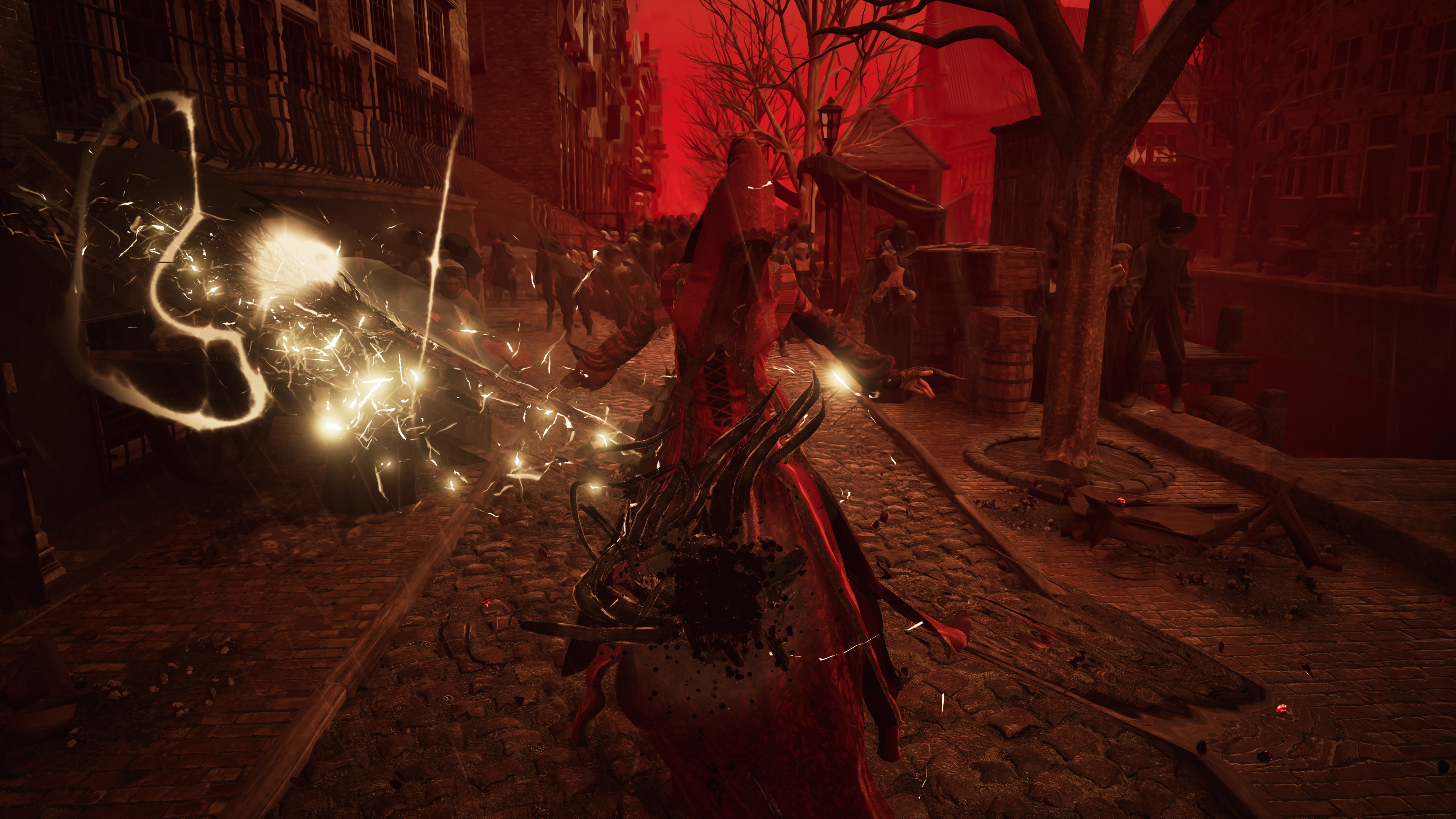
The game shines when it asks us to investigate before fighting. The Originals aren’t simply enemies marked on the map. Our task is to gather information, observe what’s happening around us, and try to understand who’s hiding behind the supernatural threat. This structure makes exploration more engaging because we’re not always pushed toward the classic point indicated on the map. There’s a small sense of discovery that works well and could become even more important in the full game.
Even the magic represents a good surprise. Noa can use various abilities that are useful not only in combat but can also be exploited to navigate the environment and reach otherwise hard-to-find locations. Some mechanics tied to abilities also recall the roguelike genre, with features that can alter how we approach certain situations. Not everything is yet fully exploited, but the foundation is interesting and, above all, leaves room for many possibilities.
Where do the problems begin
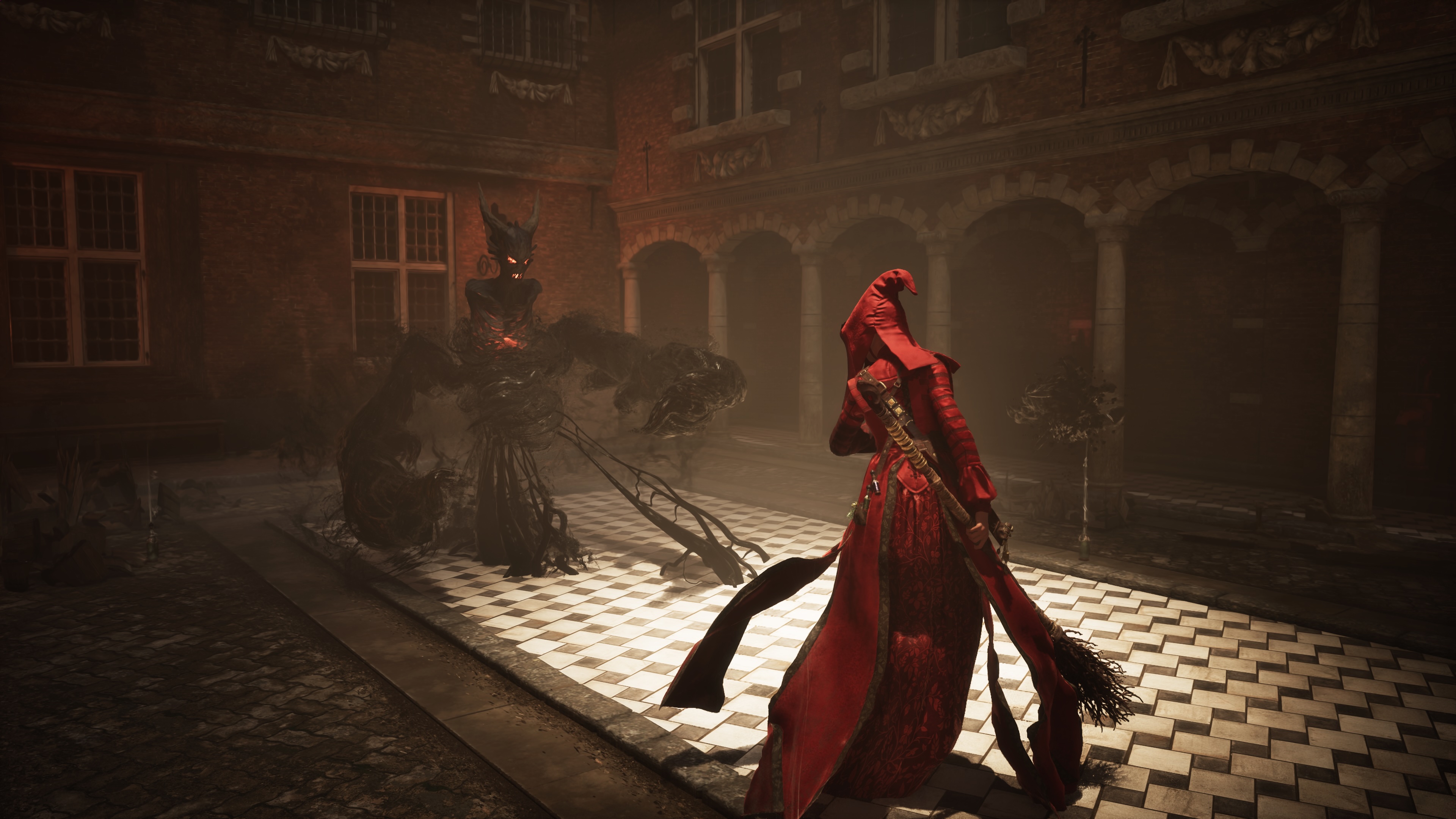
The main weakness of 1666 Amsterdam is however the combat. The fights currently fail to convey sufficient weight and often become a fairly straightforward sequence of attacks and dodges. After overcoming the initial surprise, the system risks becoming repetitive. The issue is most apparent with the bosses, who could have made much better use of their supernatural nature. Given how unusual the premise is, it would have been interesting to see enemies capable of requiring different strategies and exploiting Noa’s abilities more effectively.
Even stealth and artificial intelligence need to advance. Enemies don’t always react convincingly, and certain situations quickly lose the tension a detective-themed, supernatural game should be able to create. The same applies partly to the writing. The narrative concept is good, but some dialogue explains too directly what’s happening. Instead of letting the player discover certain information, the game sometimes tells it to them.
The potential is there, but it’s not enough on its own
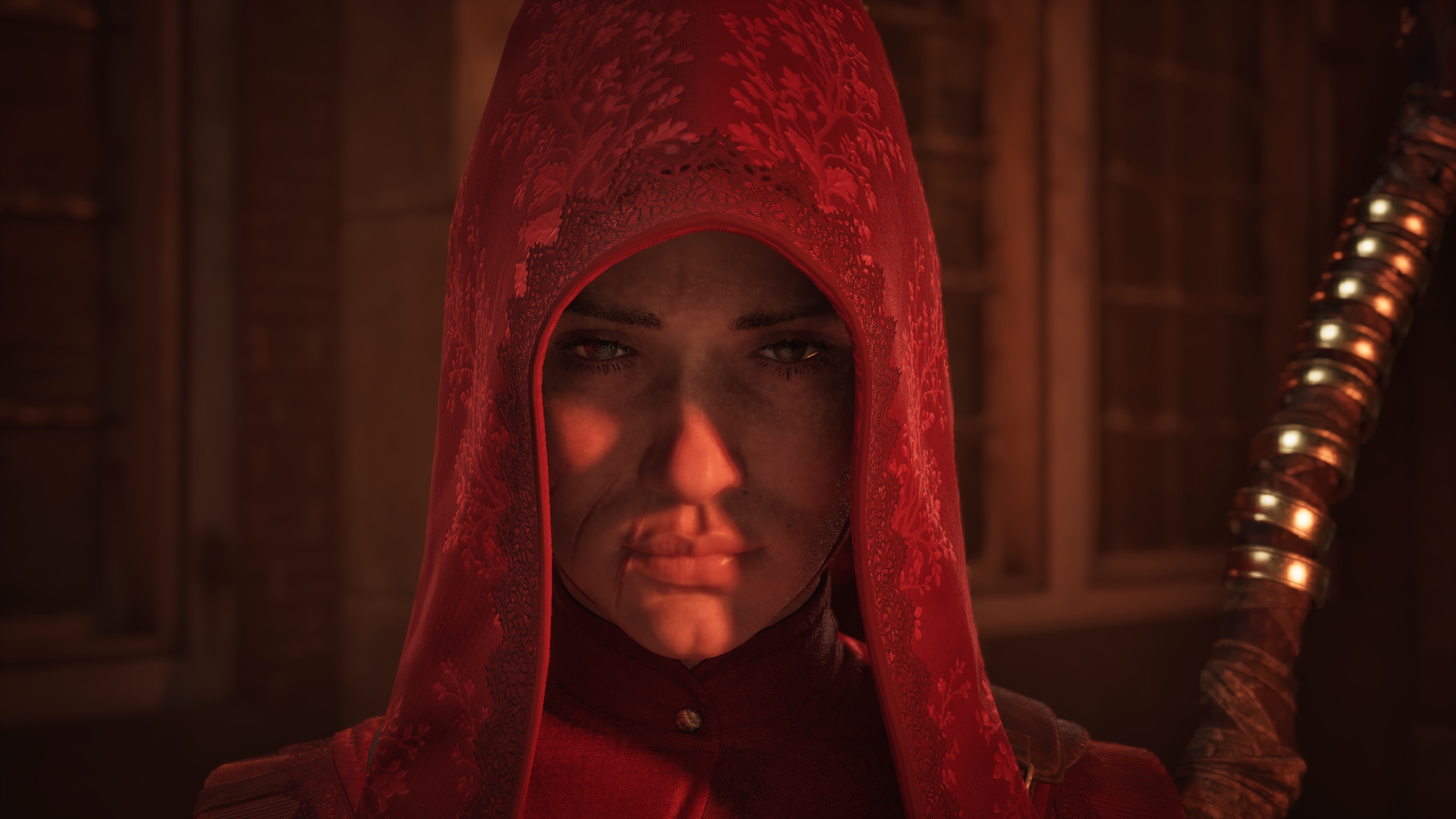
And it’s precisely this that makes 1666 Amsterdam special. There are interesting ideas practically everywhere, but not all have yet reached the same level of quality. The recreation of Amsterdam works, the art direction is convincing, the investigation has a solid foundation, and the magic could become one of the most interesting elements of the entire experience. On the other hand, we have a combat that’s still unsatisfying, a stealth segment that needs improvement, an sharp artificial intelligence, and a script that at times needs greater naturalness. Technically, there are also some issues, and there are moments where it’s clear the project still needs finishing. These are understandable given the current stage, but it remains to be seen how much they will change during development.
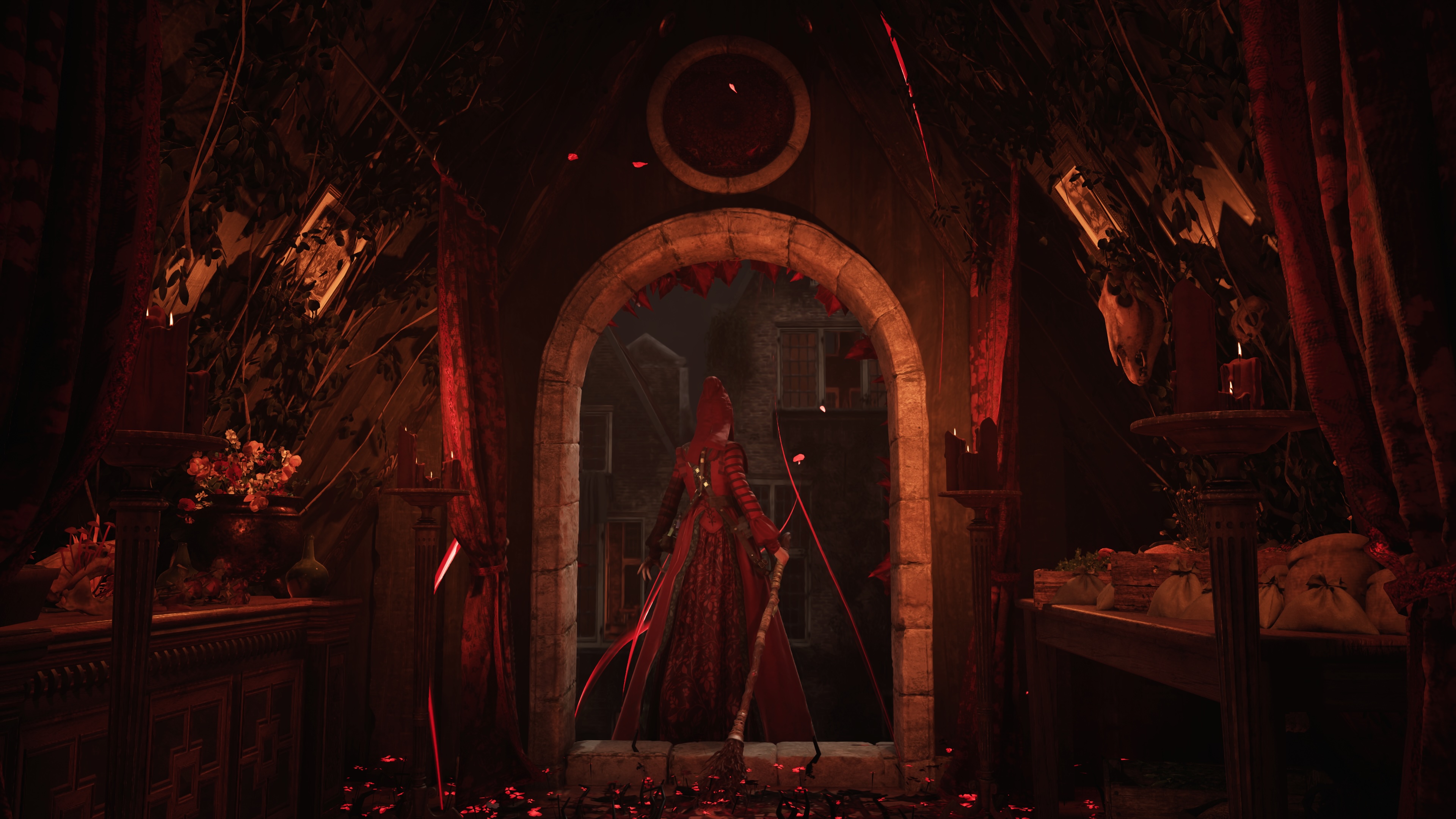
The most important thing, however, is that 1666 Amsterdam has its own identity. Despite inevitable comparisons with Assassin’s Creed, it doesn’t feel like it’s simply rehashing a formula already seen. The idea of combining historical Amsterdam, magic, investigation, and supernatural creatures is distinctive and manages to pique interest. The problem is managing to turn these good ideas into truly solid and interconnected systems.
For now, the potential is clear. It remains to be seen whether it will be enough to transform 1666 Amsterdam into that particular experience, at least on paper, which seems to aim to become.
About the Author