
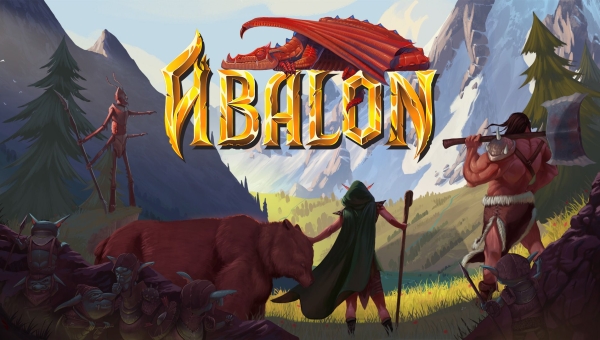
Abalon is an indie game that blends influences from board games, role-playing games à la D&D and card games in the style of MtG, all seasoned with a rogue-like twist... in short, the zenith of "nerditudine". Developed by D20 Studios and published by WhisperGames, Abalon launched last May 11 on Steam, collecting positive reviews from players who have purchased and played it. Let’s see if, as good old Severus Piton said, "fame is not everything".
This content is provided by YouTube. To view it, you must allow external content. Activation may result in data being shared with the third party.
You are the Guide
As soon as the game launches, you’ll be immediately presented with the three main gameplay modes: the tutorial, obviously, to learn the fundamentals of Abalon’s gameplay and unlock a Summoner (i.e. a playable character); the Battle mode, where you can enjoy battling against pre-set parties and decks and see how well you can survive; and finally, but certainly no less important, the Adventure mode, in which, after choosing one of the 20 Summoners available (they will be unlocked progressively by completing certain quests or achieving specific objectives), you’ll set off to explore one of the various biomes in the game, in search of the respective boss to defeat.
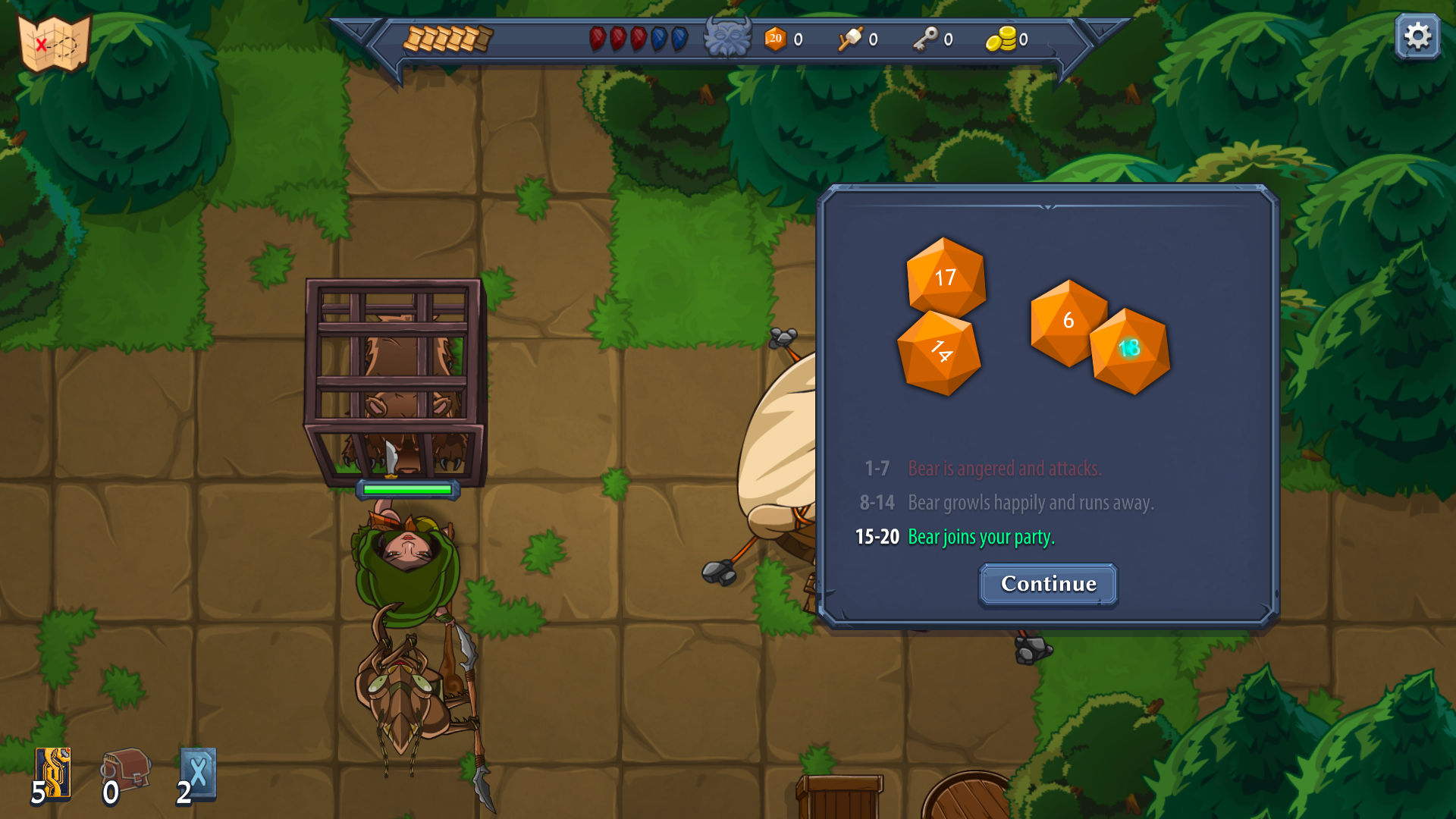
In Abalon there is no proper story, but the various adventures we will bring to life will be seasoned with a lore that we can discover by exploring the surrounding environment and uncovering narrative fragments that are somewhat useful to enjoying the gaming experience. While exploring, we may encounter more or less fortunate encounters: we could hire mercenaries who join our party, or free a chimera from the trap in which it had been stuck and convince it to fight alongside us. The outcome of these and other random encounters is determined by rolling the old faithful twenty-sided die, a dice mechanic that role-playing gamers are all too familiar with: low numbers imply a negative interaction result, mid-range results indicate a neutral outcome, and high numbers signify a positive one. Dice are an important resource we can accumulate and even use in bulk if a particular roll seems crucial to the success of our run (rolling multiple dice simultaneously naturally increases the chances of a successful roll).
Throughout all this, we represent La Guida, a superior entity that precisely guides the Summoner, their party companions, and the summoned creatures via the grimoire of cards the summoner is equipped with. It was amusing to observe how, while awaiting a command, various units gaze toward us — that is, toward their sky — their gaze quickly shifting from one of full trust to one of resigned disappointment should our strategy then turn out to be a complete failure.
And then it’s time to fight...
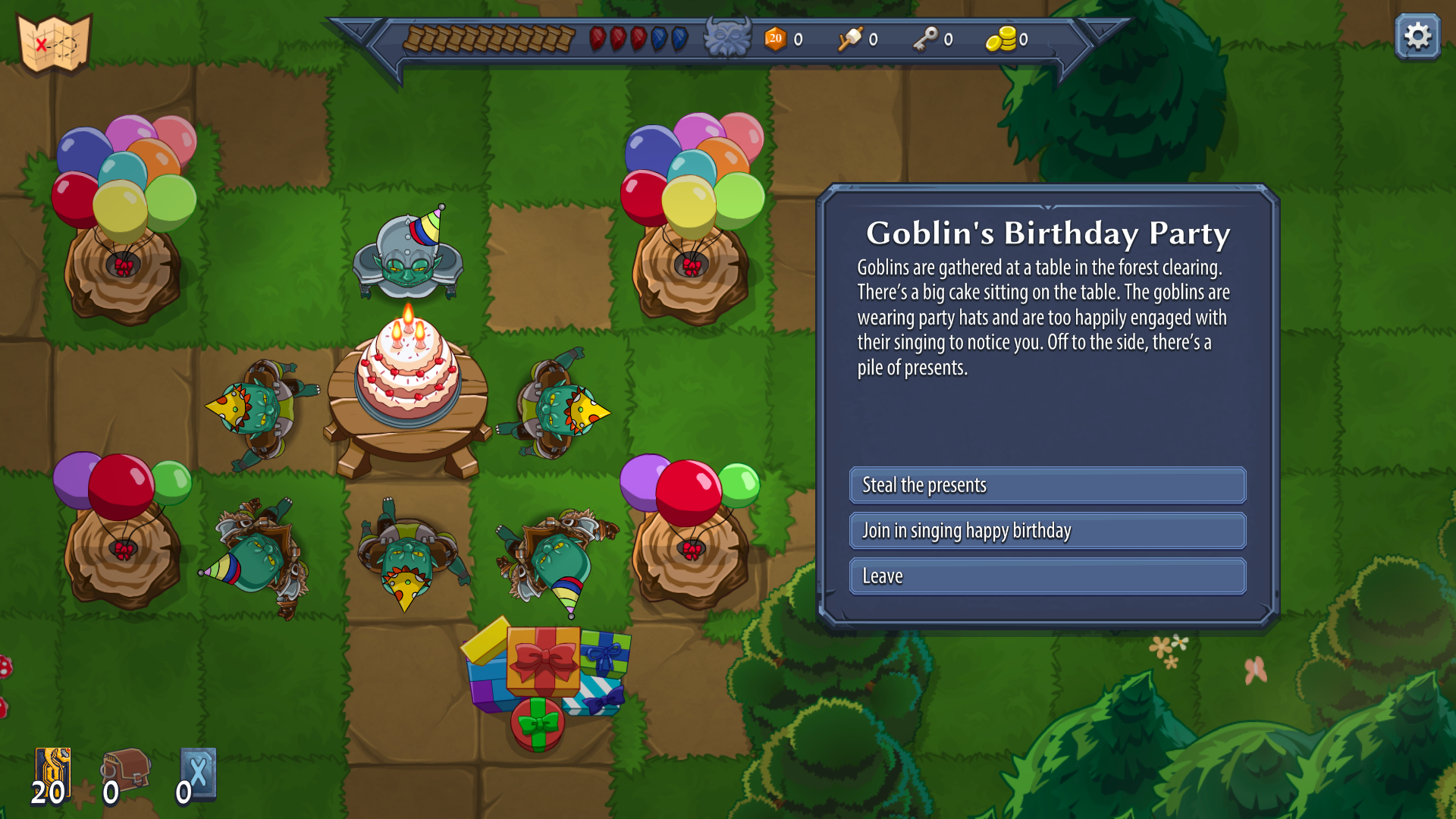
Until the first fight, the experience with Abalon is, overall, positive: you explore dungeons, collect treasures, add new cards to enhance your grimoire, and attend surprise goblin birthday parties... in short, you have fun. Then you accidentally open the wrong door and find yourself greeted by a squad of enemies who were waiting only for a summoner to pick a fight. And if you’re thinking the early battles were programmed with leniency... you’re way off.
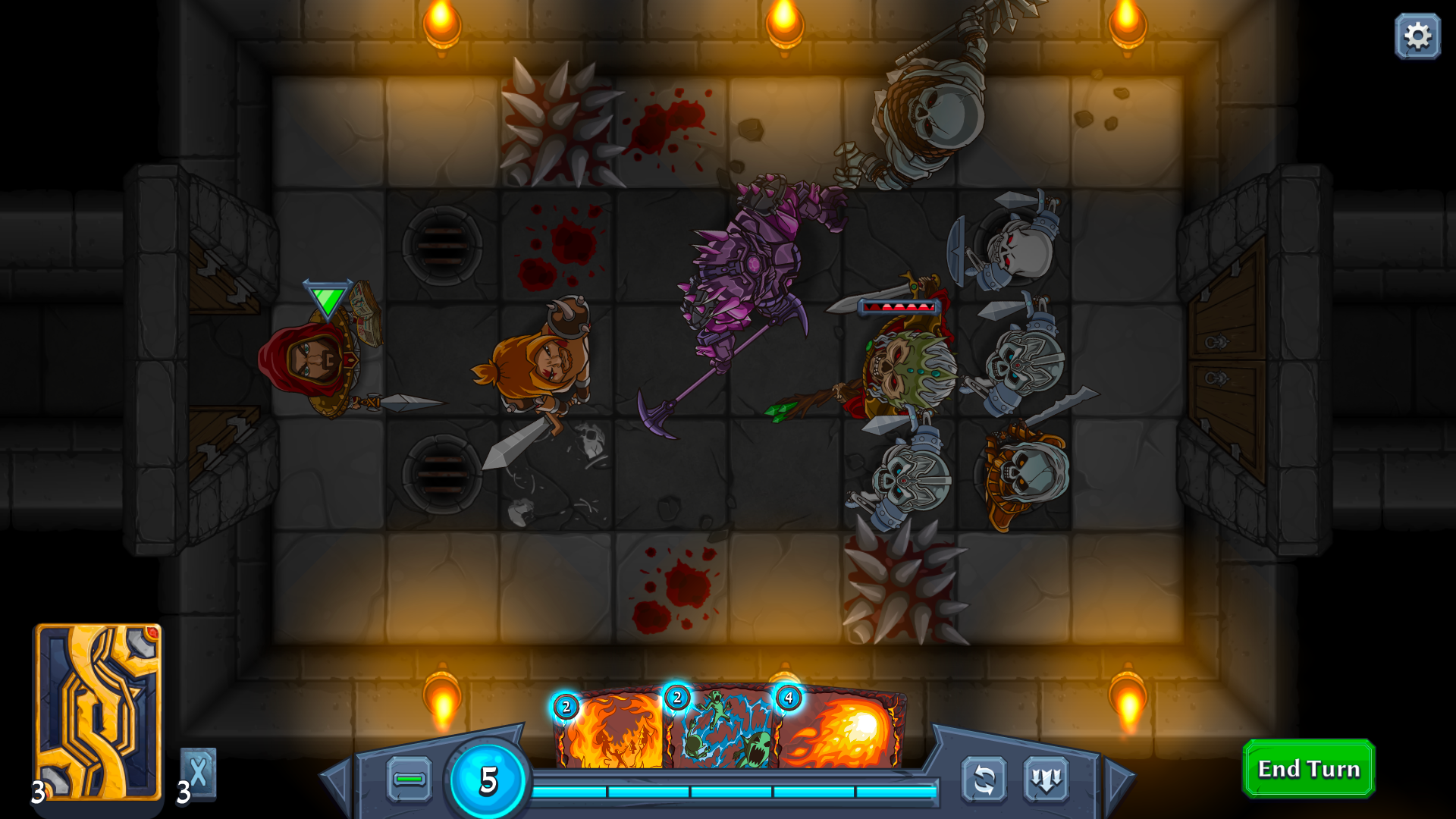
At the start of the adventure, you can choose between three different difficulty levels that manage the number of bonus lives available before the game-over, as well as the danger and lethality of enemies that will throw you into a spin: here’s the point, you’ll know that you die like nothing even at the beginner difficulty. And you’ll say: "but War is a rogue-like, it’s obvious you die!". But certainly o' villici, I’ll respond by citing the good Scottecs, but one would assume that every death grants us something, in the form of buffs, experience, or weapons capable of letting us return to that f****o dungeon and open a few deretani skeletons. Instead, Abalon lets us keep only the cards obtained. Fair enough, better than nothing, but you’ll soon discover how limited the utility of the various cards — which, by the way, are disposable during the run — is in the face of the power and freedom of action of enemies even slightly more dangerous than classic sewer rats (which, if we’re being honest, gave a certain challenge in Dark Souls...but that’s another story).
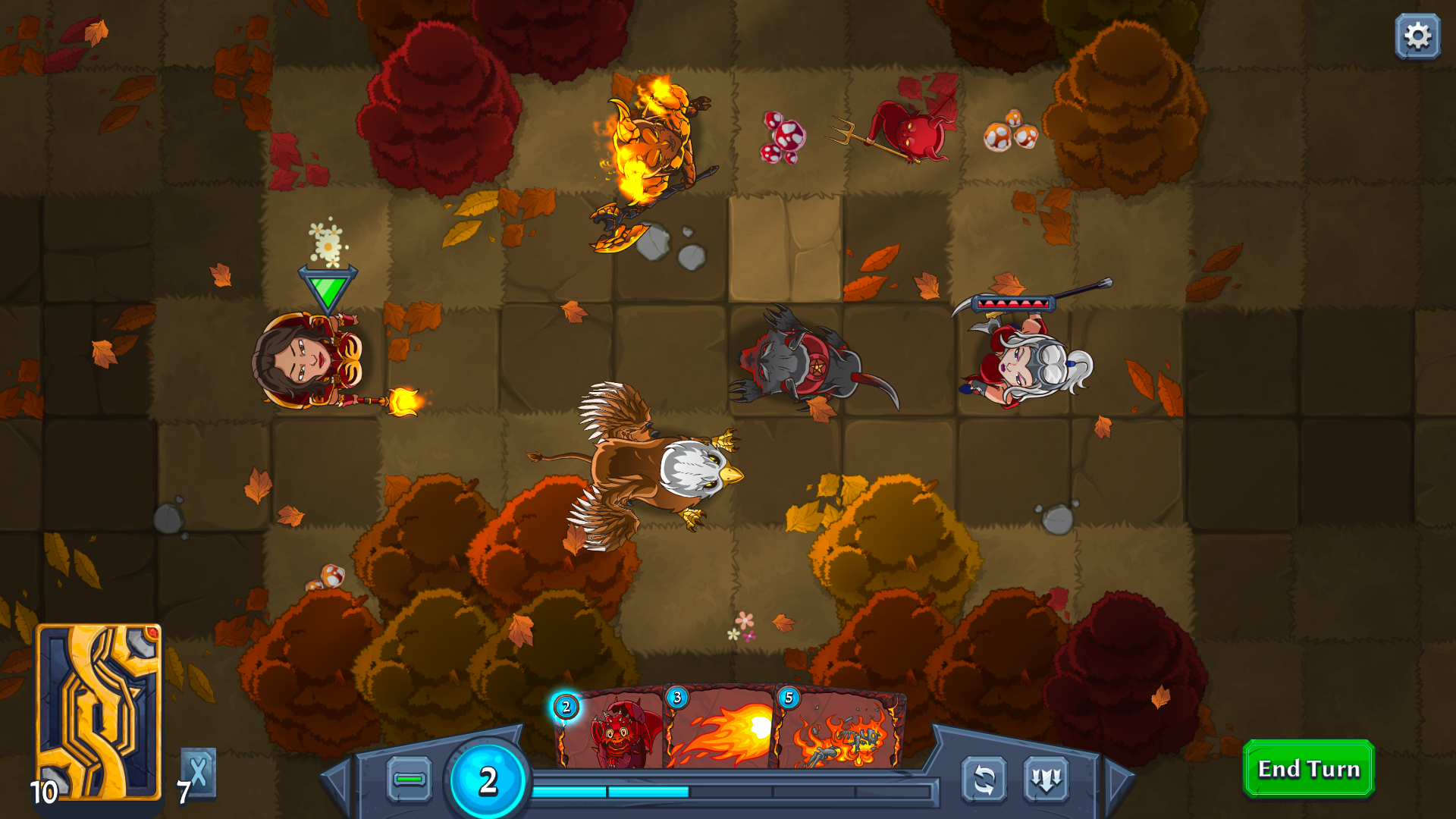
In short, the combat felt slightly unbalanced to us, obviously against the player, especially regarding the counterattack mechanic: essentially, if we attack an enemy head-on, and if we don’t "overkill" (i.e., kill them by dealing significantly more HP damage than they have), they can still counterattack and then collapse to the ground dead. If we add to this the fact that we’ll often be outnumbered by the enemies, who will frequently be equipped with shields to block our frontal attacks, and that the mobility of most allied creatures is genuinely low... well, the curses are endless, truly.
Celebrate, celebrate, missing
What absolutely doesn’t lack in Abalon is the variety of cards available, we’re talking about over 400. Creatures, equipment, spells, there’s truly everything to build a deck with the counter. Unfortunately, to collect them all, you really have to endure the torments of hell by facing battles that push the boundaries of fairness. The same applies to the 20 Summoners, only three of which are usable from the start, and unless you become a regular player of Abalon, we doubt you’ll manage to use them all, with their unique traits and preferred playstyles.
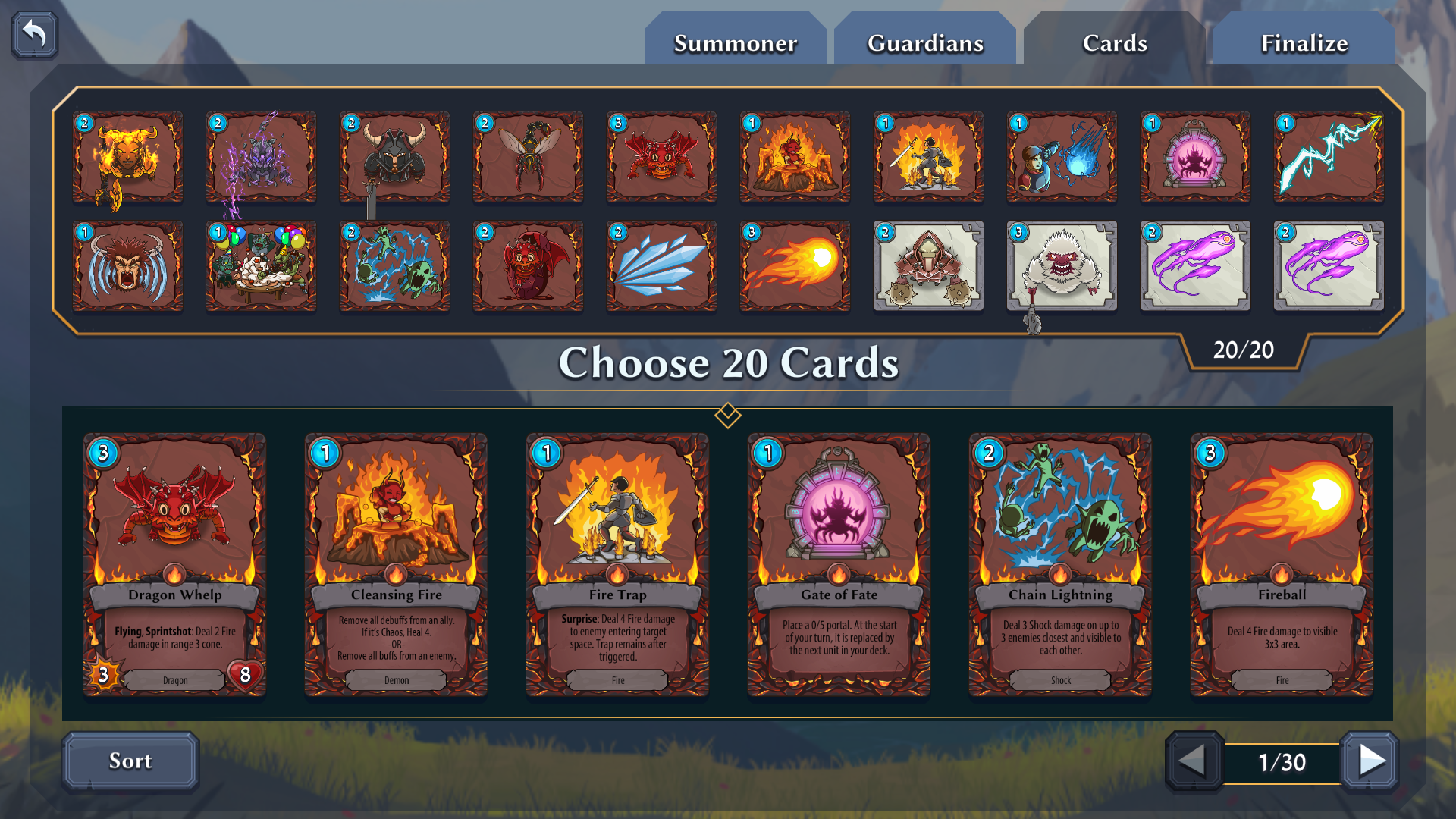
To truly appreciate the considerable amount of content, synergies, and possible strategies in the D20 Studios title, one must overlook some rather crude game design flaws, and perhaps not everyone has the courage to embark on this arduous quest.
Technically speaking
We tested Abalon on the following setup:
AMD Ryzen 7 3700x @ 3.60 GHz
Gigabyte RTX AORUS Master 3080 Ti 12Gb
Corsair Vengeance RGB RT 32GB DDR4 3600MHz
LG 34GN850 Monitor at 3440x1440 (21:9)
From a technical standpoint, Abalon didn’t cause any real issues, excluding a single soft-lock that didn’t recur. The game appears designed for a mobile-on-the-go experience and therefore didn’t present any problems for our setup. We don’t know whether it’s playable on Steam Deck but we believe the experience on Valve’s portable is truly the most suitable for a title like this.
Moving on to the artistic perspective, we cannot hide the disappointment at how the style of the previously published artwork — brimming with charisma — has not been carried over into the game, where we find a rather anonymous cartoonish graphics, both in terms of environments and characters, and, above all, in terms of the cards. The same applies to the animations, which are truly minimal and wooden.
To save a bit of the shack, a sound arrives that, although far from the epic medieval-fantasy grandeur achieved by Howard Shore in "The Lord of the Rings" (and we’d be missing something), enhances the gaming experience and fits well with various instances.
In conclusion
Perhaps we were a bit too harsh on Abalon — let’s be clear, the game is fun, encourages a strategic approach, and lets you spend countless hours collecting cards to build your own winning deck. The balance issues, however, ah, make the hours spent on this D20 title rather frustratingly excessive — so if you play it on Steam Deck (assuming it’s even possible), you might risk damaging your cherished Valve gadget at home. Stylistically, it didn’t convince us, but those are personal tastes and non est disputandum.
About the Author